
When evaluating the best restaurant supply companies for opening a new restaurant, the most expensive procurement mistake founders make is treating Back-of-House (BOH) mechanical equipment and Front-of-House (FOH) dining furniture as a single domestic catalog purchase. Regional kitchen equipment dealers and e-commerce supply aggregators excel at locally warrantied refrigeration and gas cooking lines, but they mark up dining room tables, booths, chairs, and commercial tableware by 2.0x to 2.8x as third-party resellers. By bifurcating your opening CapEx—sourcing BOH mechanical appliances locally while consolidating your complete FOH furniture and OS&E tableware package directly with an integrated wholesale restaurant furniture manufacturer in Foshan—operators typically reduce FOH landed expenditure by 30% to 50% (contingent on seat count, SKU nesting, and 40HQ container fill) while achieving unified architectural finishes across the entire dining room.
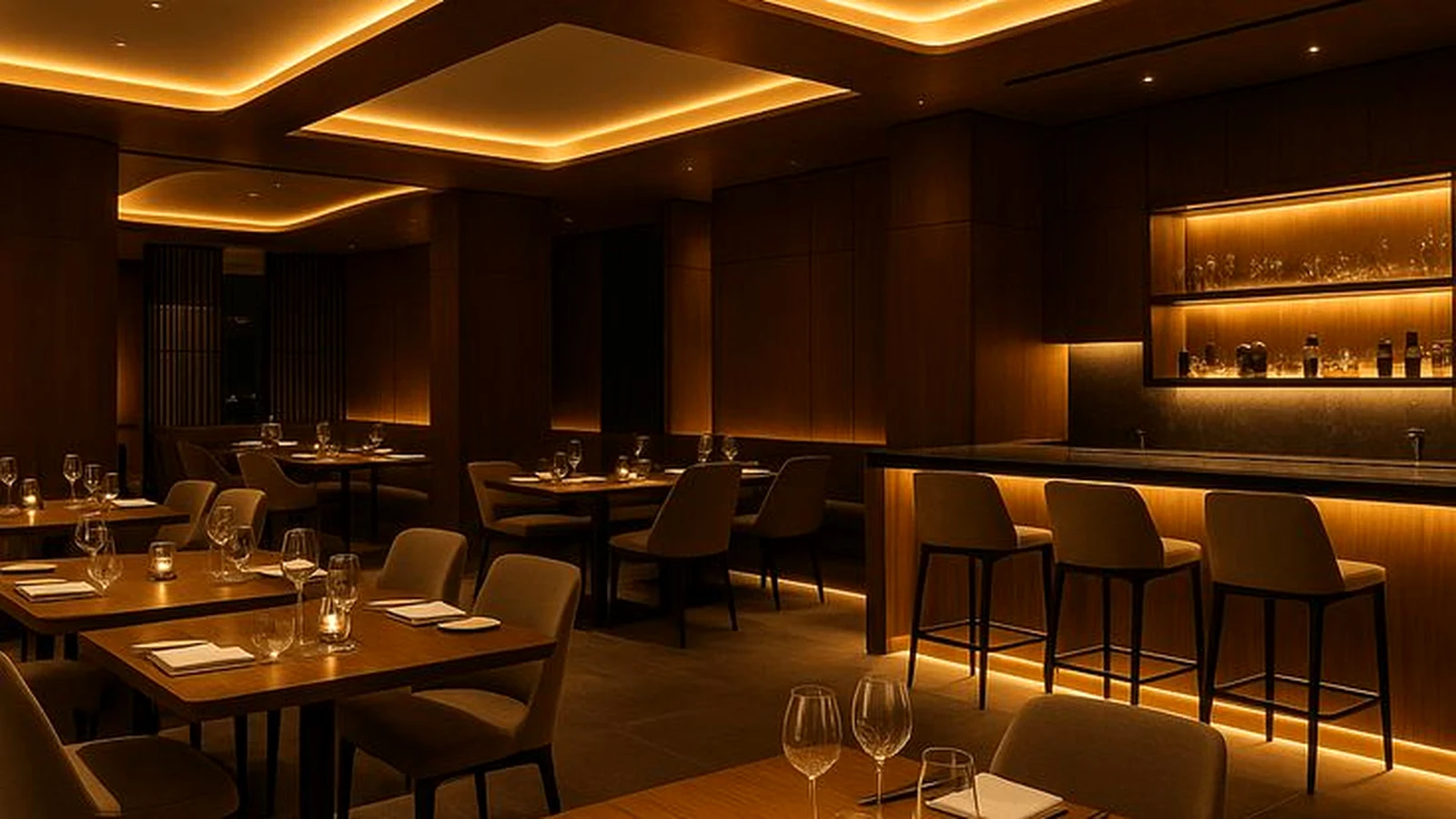
Imagine hiring a brilliant cardiovascular surgeon to design the interior lighting of your house. The surgeon is unquestionably world-class at heart valves, but if they subcontract your living room chandeliers through three retail showrooms and bill you their hourly surgical markup on top, you will overpay by tens of thousands of dollars for generic fixtures.
Yet every single month, hospitality founders searching for the best restaurant supply companies for opening a new restaurant fall into that exact trap. Under the intense time pressure of lease negotiations, health department permits, and general contractor schedules, first-time and multi-unit operators hand their entire opening Bill of Materials—both Back-of-House (BOH) commercial kitchen machines and Front-of-House (FOH) dining room furniture—to a single domestic restaurant supply dealer.
What the dealer rarely discloses is a fundamental structural split in the global hospitality supply chain: kitchen equipment dealers do not manufacture furniture. When you buy 90 dining chairs, 28 table tops, 14 upholstered banquettes, and 1,200 porcelain plates from a domestic kitchen equipment distributor, you are buying at the very bottom of a four-tier reseller chain.
To protect your opening working capital without compromising guest-facing aesthetics or structural durability, you must engineer a Bifurcated Procurement Architecture: knowing exactly what to buy from a local BOH equipment house, and what to consolidate directly from a factory-direct restaurant furniture manufacturer.
1. The Anatomy of a New Restaurant Opening Budget: BOH vs. FOH Supply Archetypes
In commercial hospitality construction, every physical item inside your venue that is not permanently wired or plumbed into the building shell falls into two capital buckets: FF&E (Furniture, Fixtures, and Equipment) and OS&E (Operating Supplies and Equipment, such as chinaware, flatware, glassware, and tabletop accessories).
Let us use a simple Feynman mental model: The Engine Room vs. The Stage. Your kitchen (BOH) is the Engine Room. It runs on local municipal gas pressures, 208V/240V electrical phases, UL/NSF sanitation codes, and local refrigeration technicians who must arrive within four hours if a walk-in compressor fails on a Friday night. Your dining room (FOH) is the Stage. It generates 100% of your guest's sensory perception, controls your acoustic comfort, dictates your seating density per square meter, and carries zero mechanical moving compressors.
CAPEX LEAKAGE ALERT // THE "ONE-STOP DOMESTIC DEALER" ILLUSION
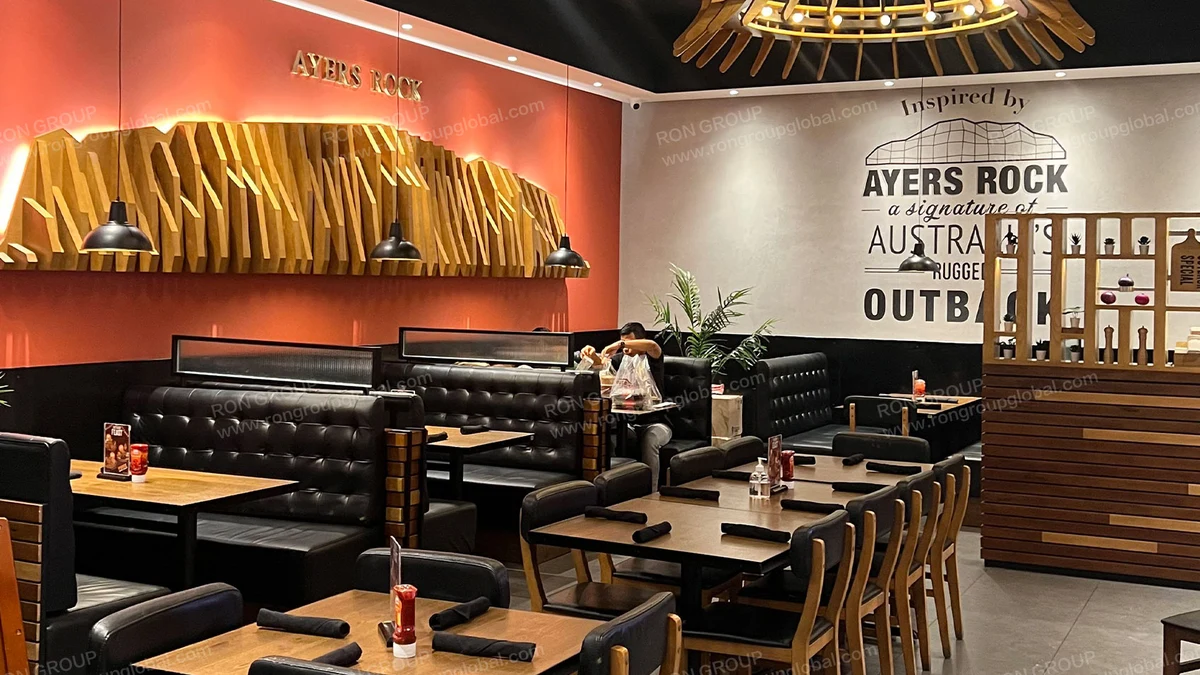
Why Domestic Equipment Dealers Overcharge on FOH Packages: A regional restaurant supply house earns razor-thin margins (often 8%–14%) on major brand-name fryers, combi-ovens, and ice machines because model numbers are easily price-shopped online. To recover gross margin on a turnkey bid, dealers routinely bundle unbranded, third-party imported dining chairs, laminate tabletops, and stock vinyl booths marked up 110% to 180% above factory FOB cost—turning your dining room into their highest-margin profit center.
When auditing the best restaurant supply companies for opening a new restaurant, sophisticated procurement directors classify suppliers into three distinct operational archetypes:
| Supply Company Archetype | Core Competency (What to Buy Here) | Structural Weakness (What to Avoid) | Typical Markup Layers Over Factory Cost | Customization & Finish Coordination |
|---|---|---|---|---|
| 1. Domestic BOH Kitchen Equipment Dealers & E-Commerce Aggregators | Commercial refrigeration, HVAC hoods, gas ranges, dishwashers, NSF stainless prep tables, urgent smallwares replenishment. | Custom dining furniture, architectural booths, stone/hardwood tabletops, coordinated signature dinnerware. | 2.0x – 2.8x on FOH furniture (Importer → Regional Distributor → Local Dealer → LTL Freight). | Zero to Low (Restricted to in-stock black/brown vinyl and generic commodity frames). |
| 2. Domestic Contract Furniture Boutiques & Design Showrooms | Small-batch (<15 seats) urgent local replacements, high-end residential-crossover designer pieces. | Full-venue 60–250 seat rollouts where budget efficiency and multi-category OS&E integration matter. | 2.5x – 3.5x (Showroom overhead, designer trade commissions, domestic re-upholstery labor). | Moderate to High, but billed at custom domestic millwork hourly rates with long fabric lead times. |
| 3. Integrated Direct FOH Manufacturer & Consolidator (Ron Group Foshan) | Complete FOH furniture packages (commercial booths, tabletops, cast-iron bases, dining chairs, barstools) + commercial tableware in one 40HQ container. | Heavy BOH gas/electrical appliances requiring local municipal utility certification and 24h compressor repair. | 1.0x Direct Factory Ex-Works / DDP (Zero middleman warehousing or domestic reseller markups). | Full Architectural OEM (Custom dimensions, coordinated wood stains, sintered stone, and upholstery per approved BOM). |
2. Mathematical Audit: Bifurcated CapEx Optimization (ΔCapExopen)
How much capital does a new restaurant founder actually preserve by separating BOH mechanical sourcing from FOH factory-direct consolidation? In our Foshan Sourcing Engineering Lab, we evaluate opening budgets using the Turnkey Bifurcated CapEx Allocation Model.
Instead of paying domestic warehouse markups and fragmented Less-Than-Truckload (LTL) pallet fees across 6 to 8 domestic furniture and tableware vendors—a failure mode we detailed in our analysis of the 7-vendor fragmentation trap—you consolidate all non-mechanical FOH assets into a single 40HQ ocean container (68 m3 practical loading volume), while utilizing the high-density void space between furniture cartons to pack high-fired porcelain tableware, cutlery, and barware at near-zero incremental ocean cube cost.
3. The "High-Low Ballast" Secret: Why Consolidating Furniture + Tableware Beats Buying Separately
One of the most overlooked technical advantages of partnering with an integrated hospitality supply group like Ron Group's turnkey restaurant & hotel solutions division is High-Low Density Container Ballasting.
Every 40HQ ocean container has two physical limits: a volume limit (~68 m3 usable cube) and a payload weight limit (~26,000–28,000 kg depending on port road limits).
- If you fill a container strictly with upholstered booths and assembled wooden chairs, you hit 100% of the volume limit while using less than 30% of the allowable weight capacity.
- Conversely, if you ship heavy porcelain plates, stoneware bowls, and cast-iron table bases alone, you hit weight limits or pay LCL port handling minimums LONG before filling the container cube.
When our logistics engineers combine your FOH furniture package (commercial restaurant furniture) with your OS&E tableware package (commercial chinaware, glassware, and flatware) in our Foshan consolidation warehouse:
Low-Gravity Ballast Tier
Dense, compact cartons of HT200 cast-iron table bases and double-corrugated commercial porcelain dinnerware are palletized along the container floor, lowering the center of gravity during ocean transit.
Mid-Ship Structural Spine
Export-crated sintered stone and solid hardwood tabletops and modular booth bases occupy the reinforced mid-tier, isolated from lateral shifting by interlocking dunnage.
Upper-Cube Volumetric Fill
Lightweight, multi-per-carton stackable dining chairs, barstools, and padded booth backrests fill the upper cubic volume—maximizing container cube utilization without exceeding axle weight limits.
Single Customs & Receiving Event
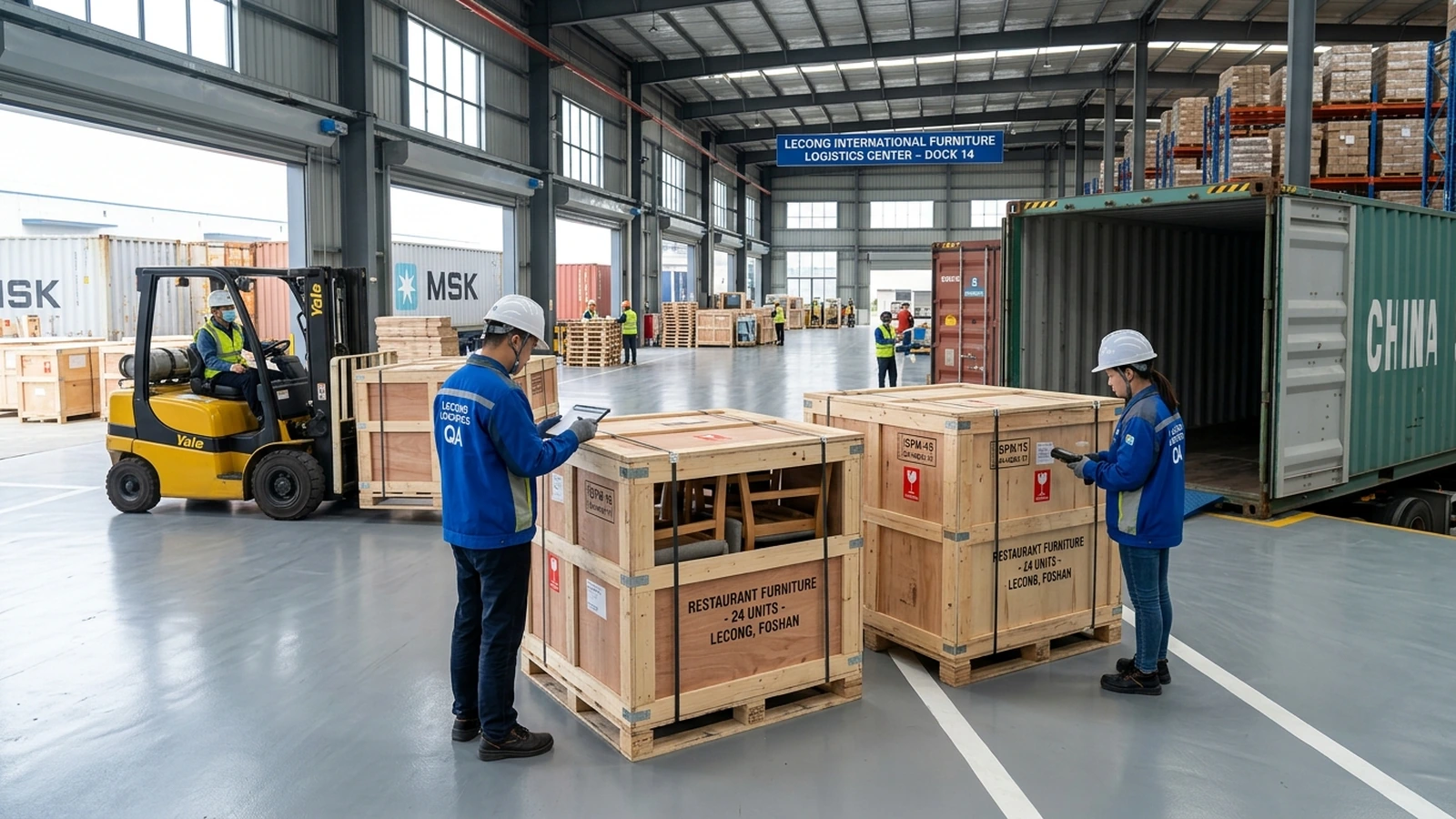
Instead of managing 14 separate domestic LTL truck deliveries at a chaotic construction site, your general contractor receives one consolidated container staged directly to your project timeline.
4. The 16-Week Reverse-Engineered Opening Schedule (With Prerequisite Gates)
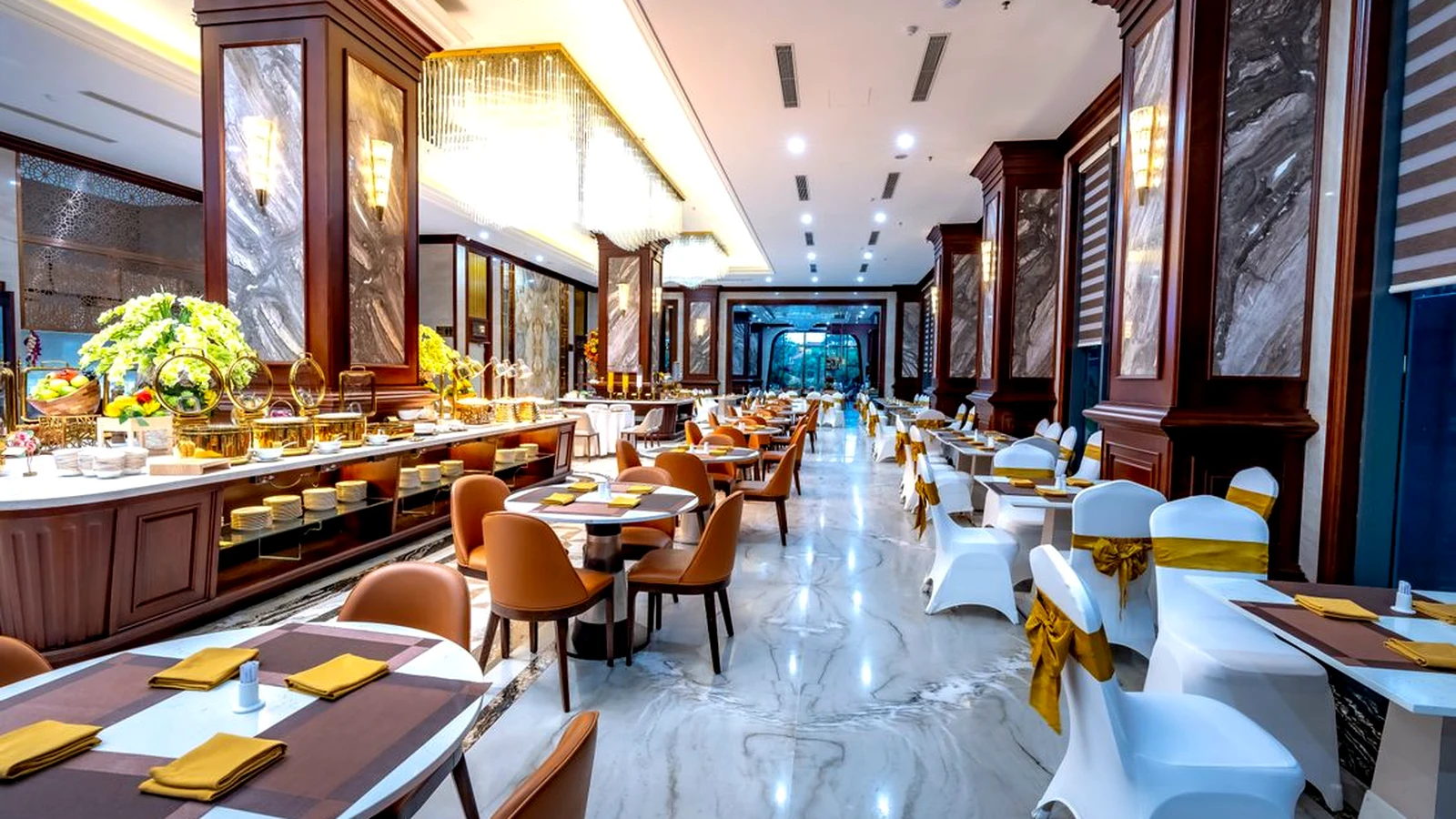
Why do so many new restaurant founders end up panic-buying overpriced, low-grade furniture from domestic liquidation websites three weeks before their grand opening? Because they sequence their procurement backwards—waiting until drywall and tile are finished before ordering custom FOH furniture.
To capture the 30%–50% cost advantage and architectural customization of a direct custom restaurant furniture manufacturer, you must align your manufacturing and ocean transit milestones with your general contractor's buildout schedule. Below is our standard reverse-engineered planning timeline:
CONTRACTUAL & TIMELINE PREREQUISITE NOTICE
Indicative Lead-Time Conditions: All production and transit intervals below represent typical planning ranges under normal operating conditions. Manufacturing lead times officially commence only after receipt of deposit, final written sign-off on 2D/3D CAD shop drawings, and confirmation of physical material/finish swatches. Peak holiday seasons, bespoke tooling, COM (Customer's Own Material) import clearance, customs inspections, or port congestion may extend total project timelines; binding schedules are established in the final signed Proforma Invoice (PI).
- Weeks 16–14 Before Opening (Architectural Layout & Space Ergonomics Freeze):
Submit your architectural DWG/PDF floor plan to our engineering desk. We verify dining aisle clearances, ADA turn radii, and table-to-chair/booth loaded pairing heights (ΔHloaded) so your electrical floor boxes and pendant lights match the exact table centers.
- Weeks 13–11 Before Opening (BOM Specification, Swatch Approval & PI Sign-Off):
Finalize tabletop substrates (sintered stone, kiln-dried ash/oak/walnut, or HPL), commercial vinyl/fabric grades (configurable for CAL 117-2013 or BS 5852 per local code), and tableware SKU counts. Approve physical sample swatches and sign off on production CAD shop drawings.
- Weeks 10–5 Before Opening (Factory Production & Pre-Shipment QC Audit):
- Standard Catalog / Repeat Frame Orders: Typically require ~20–30 working days from drawing & deposit confirmation.
- Full-Custom Millwork, Bespoke Booth Runs & Multi-Category Projects: Typically require ~30–50+ working days depending on complexity, custom molds, and curing cycles.
- Prior to crating, our QC engineers perform pre-shipment trial assembly, finish inspection, and carton drop/staging verification (view our QC & Export Protocol).
- Weeks 5–1 Before Opening (40HQ Consolidation, Ocean Transit & Customs Clearance):
Consolidated container stuffing at Foshan warehouse, export customs clearance, ocean transit (~18–38 days depending on US West Coast, US East Coast, European, Australian, or Middle East routing), and destination DDP/CIF drayage scheduled to arrive just as your GC completes final floor sealing.
5. Frequently Asked Questions: New Restaurant Supply & FOH Sourcing
1. What is the smartest way to choose among the best restaurant supply companies for opening a new restaurant?
Use a bifurcated sourcing strategy rather than buying everything from a single domestic catalog. Source your heavy Back-of-House (BOH) mechanical cooking, ventilation, and refrigeration equipment from an authorized local commercial kitchen dealer who provides local utility compliance and rapid on-site compressor warranty service. Simultaneously, source your Front-of-House (FOH) dining furniture—custom booths, tabletops, cast-iron bases, dining chairs, and commercial tableware—directly from an integrated Foshan manufacturer like Ron Group to eliminate multi-tier reseller markups and coordinate custom architectural finishes.
2. How many seats or how large does my new restaurant need to be to justify factory-direct container consolidation?
Full-container (20GP or 40HQ) factory-direct consolidation typically reaches peak financial efficiency for venues with 50 to 60+ dining seats, especially when combining dining tables, chairs, custom banquettes, and commercial tableware into a single shipment. Smaller boutique venues can also utilize Less-Than-Container-Load (LCL) consolidated shipping or select from our low-MOQ modular production lines, though full-container shipments achieve the lowest ocean freight cost per seat.
3. Can Ron Group match my interior designer's custom 3D renderings and finish schedule?
Yes. Unlike domestic stock wholesalers who only sell pre-imported catalog colors, our Foshan OEM engineering division translates your interior designer's 3D renders, mood boards, and floor plans into engineered 2D CAD shop drawings (see WP-3818 on our OEM & Franchise Spec Protocol). We send physical wood stain, sintered stone, metal powder-coat, and commercial upholstery swatches for your approval prior to mass production, subject to standard natural grain and dye-lot tolerances.
4. How far in advance of my target opening date should I initiate FOH furniture and tableware procurement?
We recommend initiating layout review and BOM specification 12 to 16 weeks prior to your target soft opening. Standard catalog furniture production generally takes ~20–30 working days after CAD and swatch sign-off, while custom architectural booths and multi-material OEM packages typically require ~30–50+ working days, followed by ~3–6 weeks for ocean transit and customs clearance depending on your destination port.
The Foshan Direct Engineering Advantage
At Ron Group, we help hospitality buyers reduce multi-vendor friction, middleman markups, and spatial coordination gaps. By sourcing your complete front-of-house package—custom modular banquettes, sintered stone and kiln-dried hardwood tabletops, cast-iron table bases, contract dining chairs, and commercial tableware—through our Foshan manufacturing and consolidation hub, you can coordinate finishes, align structural specifications, and streamline 40HQ container shipping to your venue.
Engineering & Contractual Scope Note: All structural models, material grades, tolerances, cost ratios, and indicative production lead-time ranges presented in this whitepaper serve as general B2B planning benchmarks under normal operating conditions. Specific hardware configurations (e.g., subtops, M8 inserts, C-channels, foam densities, and custom tooling), custom pricing, and binding delivery schedules are model-dependent and governed strictly by the final signed Proforma Invoice (PI), approved shop drawings, and confirmed physical sample swatches.
1:1 Custom CAD Floor Plan & BOM Review
Submit your architectural DWG/PDF floor plan, target seat count, and target opening window for a preliminary layout & clearance review, itemized factory-direct BOM quote, and material swatch options tailored to your project scope.
Foshan Project Engineering Desk
Need guidance on 40HQ container consolidation, custom OEM booth dimensions, or sintered stone and solid wood tabletop configurations? Connect directly with our project specialists.
Explore Related Hospitality FF&E Technical Dossiers
Wholesale Restaurant Furniture Manufacturer: 40HQ Consolidation Guide
Volumetric cube efficiency (η_cube), landed CapEx modeling, and FCL vs. LCL break-even economics for new restaurant buildouts.
WP-3818 // OEM & Franchise QCRestaurant Furniture OEM Manufacturer Protocol & Multi-Unit Rollout
CAD shop drawing value engineering, 5-axis CNC repeatability, master finish swatches, and repeat franchise production governance.
WP-3819 // Tabletop Substrate SpecRestaurant Table Tops Wholesale: Sintered Stone, Solid Wood & HPL Matrix
Comparing 12mm sintered stone on multi-ply subtops, kiln-dried hardwood with anti-warp C-channels, and optional M8 threaded inserts.
WP-3820 // Spatial ErgonomicsRestaurant Tables, Chairs & Booth Pairing Ergonomics Guide
Loaded cushion differential drop (ΔH_loaded), armrest-to-subtop tuck clearance, base footprint alignment, and ADA knee clearance.
WP-3821 // Turnkey Opening TCOBest Restaurant Supply Companies for Opening a New Restaurant: TCO Audit
Bifurcating BOH kitchen equipment dealers from a direct Foshan FOH furniture & tableware manufacturer to preserve 30%–50% opening CapEx.
WP-3822 // Booth Factory VettingRestaurant Booth Seating Manufacturer Vetting Guide: Foam ILD & CNC Frames
The 10-point hospitality banquette audit: 40–65 kg/m³ HR/molded foam ILD, kiln-dried birch frames, CAL 117-2013, and modular Z-cleats.
Seating Engineering HubCommercial Booth Seating Hub (16 Models & CAD)
High-resilience commercial foam standards, modular banquette layouts, and interlocking Z-cleat installation mechanics.
Turnkey Procurement HubFoshan Restaurant Furniture Master Guide
Navigating the Shunde and Nanhai furniture industrial clusters, OEM contract prototyping, and 40HQ container consolidation.