
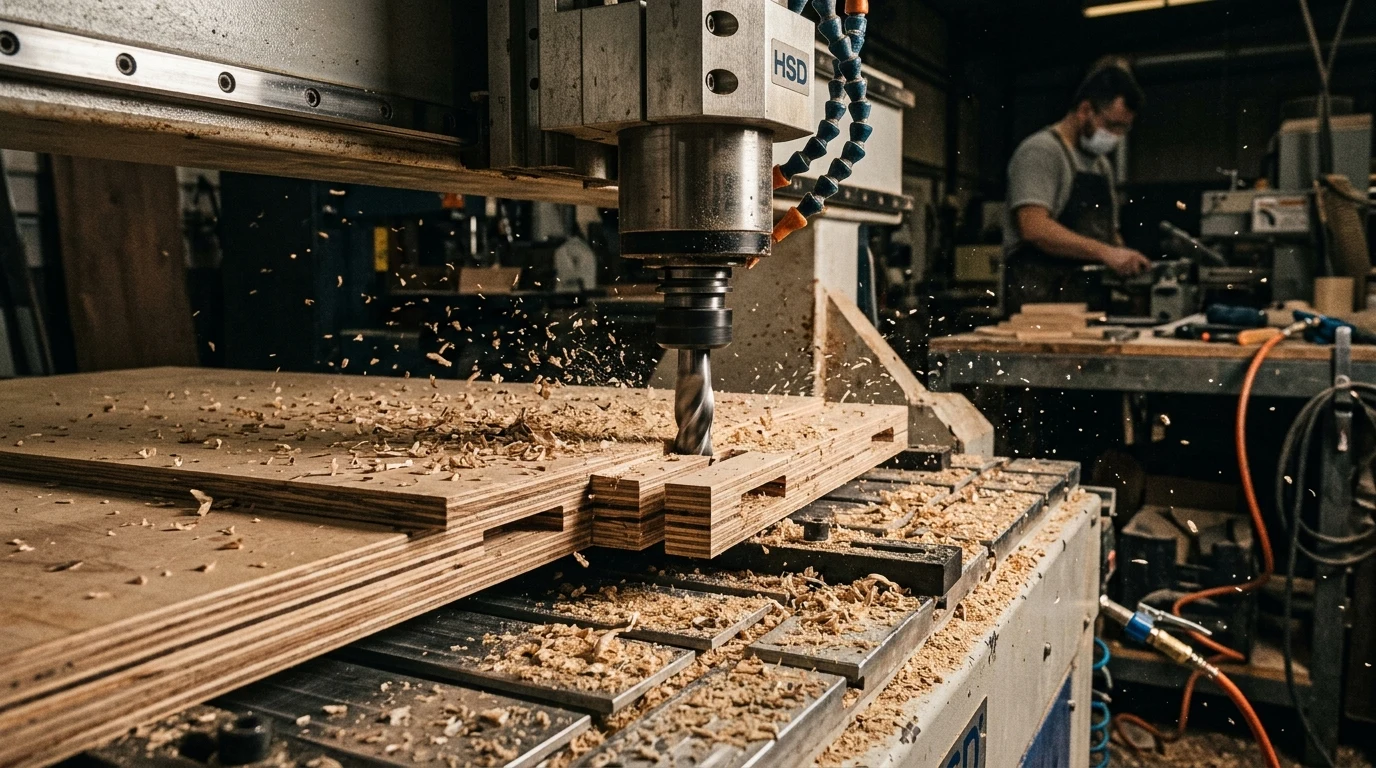
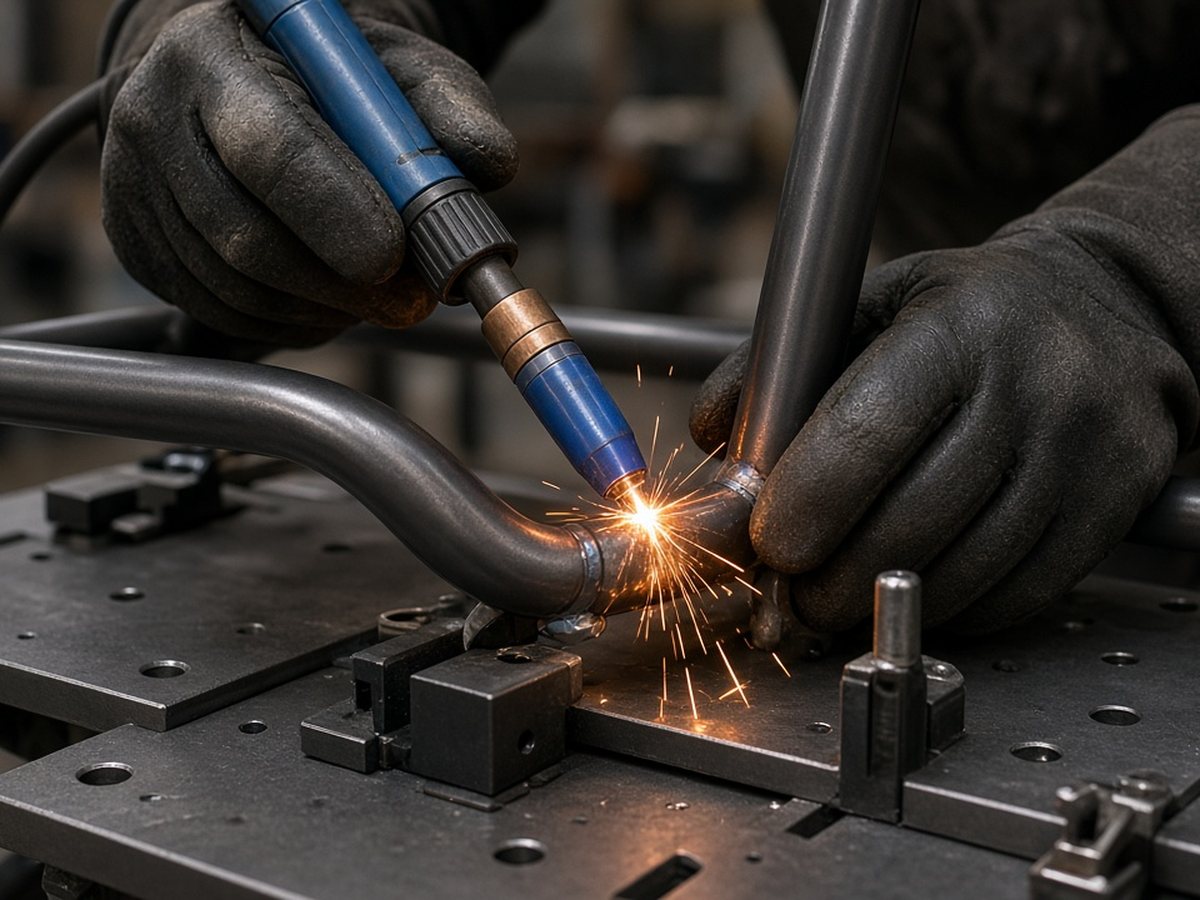
When selecting a restaurant furniture OEM manufacturer or a custom restaurant furniture manufacturer for multi-unit rollouts, hospitality groups face a silent risk: Cumulative Batch Spec Drift. Sourcing through trading brokers who switch sub-suppliers between Store #1 and Store #10 often leads to clashing wood stains, inconsistent booth dimensions, and incompatible replacement parts. For qualifying multi-unit franchise and enterprise OEM programs at our Foshan restaurant furniture manufacturer guide facility, we mitigate batch drift through three configurable engineering controls: (1) Archived 5-Axis CNC Toolpaths & Dedicated Welding Jigs (for contracted volume SKUs), (2) Master Swatch & Colorimeter Batch Alignment (within commercial tolerances for synthetic finishes and natural timber range swatches), and (3) Pre-Production Prototype Sign-Off with Retained Reference Samples.
Take a sharp black-and-white photograph and place it on an office photocopier. Make a copy. Now take that copy, put it back on the glass, and photocopy the copy. Repeat that process ten times.
By the tenth generation, the image is an unrecognizable smear of gray static.
In the commercial hospitality industry, we call this The Franchise Photocopy Trap. It happens when a growing restaurant brand, architectural design firm, or regional furniture distributor hires a trading company instead of a true restaurant furniture OEM manufacturer.
For Store #1 (the flagship), the trading broker hires Workshop A to build 40 custom walnut dining chairs and 12 fluted leather booths. Six months later, when you order the exact same furniture package for Store #2 and Store #3, Workshop A is busy—so the broker quietly sends one of your Store #1 chairs to Workshop B and says, "Copy this." A year later, for Store #6, Workshop B copies its own copy.
Suddenly, your brand's architectural identity fractures. The "warm espresso walnut" in Store #6 looks like reddish cherry compared to Store #1. The replacement seat cushions ordered for Store #2 are 14 millimeters too wide to fit into the booth frames of Store #4. And the mortise-and-tenon joints that held firm in your flagship store begin snapping in Store #7 because an unvetted workshop shortened the tenon depth by 8 millimeters to save timber.
To scale a hospitality brand—or to deliver bespoke architectural millwork as a custom restaurant furniture manufacturer—you must eliminate human guesswork and replace the "photocopier" with a locked Digital & Physical Master Specification Vault.
1. True OEM/ODM Factory vs. Trading Broker: The 5-Point Forensic Audit
As detailed in our top hospitality furniture manufacturers in China audit guide, over 70 percent of companies claiming to be a "custom restaurant furniture manufacturer" on international search portals own zero production machinery. They are export trading offices.
How do you distinguish an authentic OEM/ODM industrial campus (like Ron Group's 93,000 sqm Lecong & Longjiang manufacturing operations) from a middleman broker in five minutes? Demand live video proof of these five physical assets:
| OEM Engineering Asset | Trading Company / Broker Red Flag | Ron Group Direct OEM Factory Verification | Impact on Multi-Store Rollout |
|---|---|---|---|
| 1. Dedicated Steel Welding Jigs (Fixtures) | Workers eyeball steel tube angles on a flat table with a tape measure; chair leg splay varies by ±6 mm. | Precision Welding Fixtures (with custom-tooled jigs available for qualifying high-volume franchise SKUs). | Helps ensure consistent frame geometry and level seating across multi-batch production runs. |
| 2. 5-Axis CNC G-Code Archive | Manual band-saw cutting from cardboard templates that warp and fray in humid workshops. | Archived CNC Toolpaths (wood routing precision down to ±0.5–1.0 mm on structural sub-frames) linked to your project account. | Facilitates accurate repeat orders for modular frames (note: finished upholstered cushions carry standard ±3–5 mm soft-goods tolerance). |
| 3. Finish & Color Alignment Protocol | Visual stain matching under fluorescent shop bulbs; severe metamerism under restaurant 2700K LEDs. | Master Swatch & Colorimeter Control: Synthetic powder coats/vinyls metered for tight batch consistency; natural timber matched against approved range swatches. | Minimizes visible batch drift across synthetic finishes while respecting the natural grain and tonal character of solid hardwood. |
| 4. Reference Sample Retention (Franchise Program) | No retained master sample; relies on smartphone photos from previous orders. | Master Swatch & Spec Archive (with physical Golden Sample retention available for contracted multi-store rollout programs). | Provides a reliable physical benchmark for pre-shipment AQL inspections on subsequent store openings. |
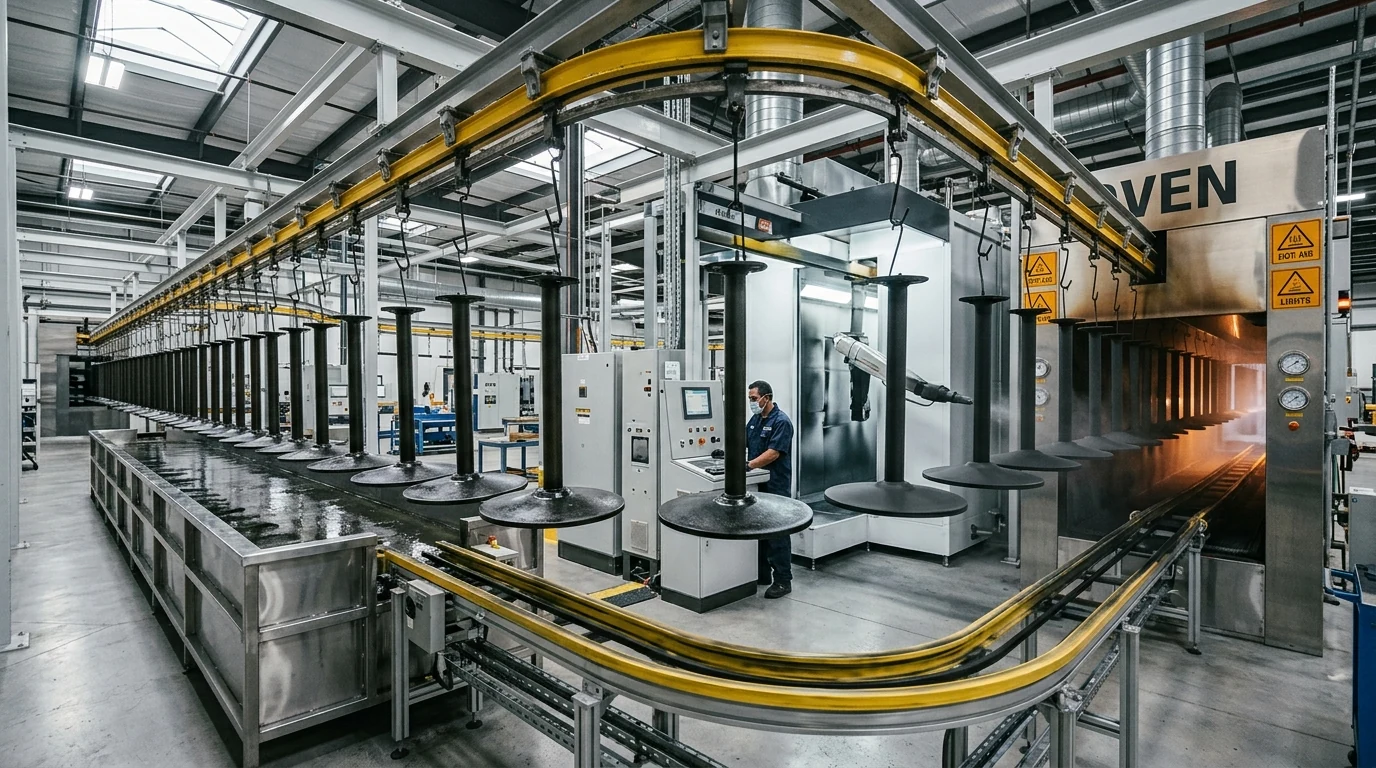
| 5. In-House Kiln & Powder-Coating Control | Buys green timber (16%+ moisture) and raw rusted steel tubing from spot markets. | Kiln-Dried Timber Sourcing (Target 8%–12% EMC) + multi-stage pretreatment and electrostatic powder coating line. | Significantly reduces the risk of seasonal HVAC wood cracking and premature metal finish peeling. |
2. The Physics of Color & Dimensional Drift (ΔEab* and Tolerance Stacking)
Why do restaurant operators who buy from multiple workshops experience the nightmare of "five different shades of walnut" and "booths that don't fit the wall recess"?
Let us explain both phenomena using simple Feynman physics—and then examine how our Sourcing Lab models and mitigates them.
A. The CIE Lab Color Drift Model (ΔEab) & Natural Material Realities
Human eyes are terrible at remembering colors across time, especially under different lighting. A finish that looks warm brown under a factory's 6500K daylight fluorescent tube can shift noticeably under your restaurant's 2700K warm dimming pendants (a phenomenon called illuminant metamerism).For homogeneous synthetic finishes (such as RAL powder-coated metal frames and solid-color contract vinyls), industrial labs model chromatic deviation in 3D color space—Lightness (L), Red-Green (a), and Yellow-Blue (b)—relative to an approved master target. (Important Material Note: Natural solid wood and genuine leather are organic materials with inherent mineral streaks, heartwood/sapwood variations, and grain density differences; therefore, natural wood stains are governed by approved Upper/Lower Range Swatches rather than a single flat paint number.)*
3. The 4-Stage OEM & Custom Prototyping Pipeline (From Concept to Container)
Whether you are an interior architecture studio designing a flagship steakhouse—like our Fleming's Prime Steakhouse & Wine Bar project case study—or a regional chain scaling through our restaurant franchising solutions program, custom OEM development at Ron Group follows a structured 4-Stage Engineering Workflow (timelines vary based on SKU count, tooling complexity, and sample revisions):
Concept Translation & Structural CAD Review
You provide architectural mood boards, 2D DWG floor plans, or reference concepts. Our engineering team translates the design into dimensioned AutoCAD / 3D production drawings, recommending commercial joinery upgrades where needed (such as mortise-and-tenon or reinforced steel gussets).
Material Swatch & Finish Sign-Off
For custom-specified projects, we prepare physical Material & Finish Swatches—including stained wood samples, stone cuts, powder-coated metal tabs, and upholstery swatches—so your design team can verify tones under your venue's actual ambient lighting prior to mass cutting.
First-Article Prototype (For Qualifying Volume Orders)
When contracted for multi-unit franchise rollouts or large custom seating runs, we fabricate a First-Article Prototype (Golden Sample) for physical or video review (prototype fees, testing protocols, and sample lead times are established per project agreement).
Mass Production & Representative Pre-Shipment QC
Mass production executes from approved shop drawings and retained finish boards (typically ~30–50+ working days for custom/OEM builds after final sign-off, depending on order volume and factory schedule). Prior to crating, representative modular sections undergo test-fitting and video QC verification.
4. Value-Engineering Designer Specs: Preserving the Aesthetic While Optimizing Budget
One of the highest-value functions of a custom restaurant furniture manufacturer is Architectural Value Engineering (VE).
Interior designers frequently specify European designer chairs priced at $950 per chair or custom Italian marble tables priced at $2,400 per table—specifications that immediately blow up a restaurant's Bucket 3 FF&E budget and suffer rapid etching under commercial ketchup, red wine, and heavy bussing.
At Ron Group, our OEM engineering team captures the core visual silhouette and design intent while adapting the internal construction for commercial hospitality durability and reducing landed CapEx by 45 to 60 percent compared to domestic designer showrooms:
- Visual Calacatta Marble → 12mm Sintered Stone + Plywood/Birch Subtop Option: Instead of porous natural marble that etches easily when exposed to citrus or wine, we offer matte or honed 12mm sintered stone tops paired with a supportive timber subtop—delivering a luxury stone aesthetic with high scratch/stain resistance and low routine maintenance.
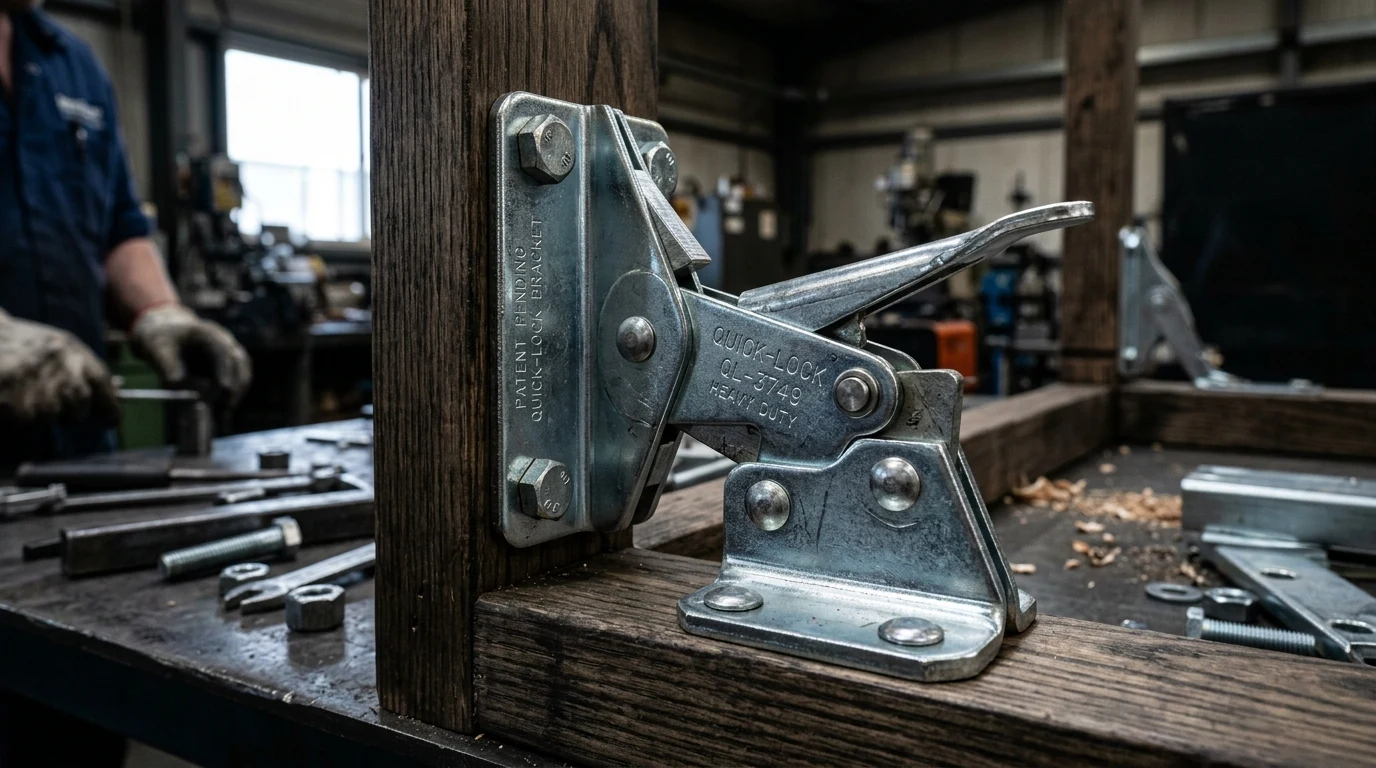
- Custom Architectural Banquettes → Modular Prefabricated Chassis: As demonstrated in our Volcano's Steakhouse project case study and detailed on our commercial booth manufacturing process page, replacing scratch-built on-site carpentry with factory-prefabricated modular booth sections significantly reduces on-site installation time (actual site installation hours depend on floor levelness, wall structure, and local crew size).
EXECUTIVE MANDATE // OEM GOVERNANCE, NATURAL MATERIALS & TOLERANCE DISCLAIMER
Enterprise Tooling, Natural Grain & Contractual Scope: Dedicated welding jigs, custom mold tooling, physical Golden Sample vaulting, and third-party lab testing are configurable enterprise options governed by minimum order quantities (MOQs) and separate OEM agreements. Please note that solid hardwood, wood veneers, and genuine leather are natural materials that inherently exhibit organic variations in grain pattern, mineral marks, and shade; stain alignment is evaluated against approved light-to-dark range swatches rather than instrumental ΔE metrics. Upholstered soft goods carry standard commercial dimensional tolerances (typically ±3–5 mm). All lead times and specifications are subject to your signed Proforma Invoice and approved CAD shop drawings.
5. Frequently Asked Questions (FAQ): OEM & Custom Restaurant Furniture Manufacturing
1. Can Ron Group manufacture custom restaurant furniture from a 3D rendering or architectural mood board without full CAD shop drawings?
Yes. While multi-unit chains often supply complete DWG packages, independent restaurateurs and interior designers frequently bring us 3D SketchUp/3ds Max renders, reference boards, or dimensional sketches. Our Foshan CAD engineering team translates your visual concept into dimensioned structural production drawings (AutoCAD/SolidWorks) for your review and sign-off before fabrication begins (drawing turnaround time depends on project scope, SKU count, and custom engineering complexity).2. How does your OEM program handle future store openings or replacement orders 2 to 5 years later?
For contracted OEM and franchise accounts, we archive your approved CAD shop drawings, stain formula records, powder-coat RAL codes, and master specification sheets in our Foshan ERP system. When you open additional locations or order expansion seating in the future, our production team references your archived specification to maintain strong visual and structural continuity across batches (subject to raw material availability and natural timber grain variations).3. Do you support Customer's Own Material (COM) or custom fire-retardant / antimicrobial contract upholstery?
Yes. We can process COM (Customer's Own Material) shipped to our Foshan upholstery division or supply factory-sourced contract textiles engineered to meet commercial standards such as CAL 117-2013, NFPA 260, or BS 5852, along with high-rub Wyzenbeek / Martindale abrasion ratings when specified in your project BOM (supplier material test reports available upon request).The Foshan Direct Engineering Advantage
At Ron Group, we help hospitality buyers reduce multi-vendor friction, middleman markups, and spatial coordination gaps. By sourcing your complete front-of-house package—custom modular banquettes, sintered stone and kiln-dried hardwood tabletops, cast-iron table bases, contract dining chairs, and commercial tableware—through our Foshan manufacturing and consolidation hub, you can coordinate finishes, align structural specifications, and streamline 40HQ container shipping to your venue.
Engineering & Contractual Scope Note: All structural models, material grades, tolerances, cost ratios, and indicative production lead-time ranges presented in this whitepaper serve as general B2B planning benchmarks under normal operating conditions. Specific hardware configurations (e.g., subtops, M8 inserts, C-channels, foam densities, and custom tooling), custom pricing, and binding delivery schedules are model-dependent and governed strictly by the final signed Proforma Invoice (PI), approved shop drawings, and confirmed physical sample swatches.
1:1 Custom CAD Floor Plan & BOM Review
Submit your architectural DWG/PDF floor plan, target seat count, and target opening window for a preliminary layout & clearance review, itemized factory-direct BOM quote, and material swatch options tailored to your project scope.
Foshan Project Engineering Desk
Need guidance on 40HQ container consolidation, custom OEM booth dimensions, or sintered stone and solid wood tabletop configurations? Connect directly with our project specialists.
Explore Related Hospitality FF&E Technical Dossiers
Wholesale Restaurant Furniture Manufacturer: 40HQ Consolidation Guide
Volumetric cube efficiency (η_cube), landed CapEx modeling, and FCL vs. LCL break-even economics for new restaurant buildouts.
WP-3818 // OEM & Franchise QCRestaurant Furniture OEM Manufacturer Protocol & Multi-Unit Rollout
CAD shop drawing value engineering, 5-axis CNC repeatability, master finish swatches, and repeat franchise production governance.
WP-3819 // Tabletop Substrate SpecRestaurant Table Tops Wholesale: Sintered Stone, Solid Wood & HPL Matrix
Comparing 12mm sintered stone on multi-ply subtops, kiln-dried hardwood with anti-warp C-channels, and optional M8 threaded inserts.
WP-3820 // Spatial ErgonomicsRestaurant Tables, Chairs & Booth Pairing Ergonomics Guide
Loaded cushion differential drop (ΔH_loaded), armrest-to-subtop tuck clearance, base footprint alignment, and ADA knee clearance.
Seating Engineering HubCommercial Booth Seating Hub (16 Models & CAD)
High-resilience commercial foam standards, modular banquette layouts, and interlocking Z-cleat installation mechanics.
Turnkey Procurement HubFoshan Restaurant Furniture Master Guide
Navigating the Shunde and Nanhai furniture industrial clusters, OEM contract prototyping, and 40HQ container consolidation.