



Content
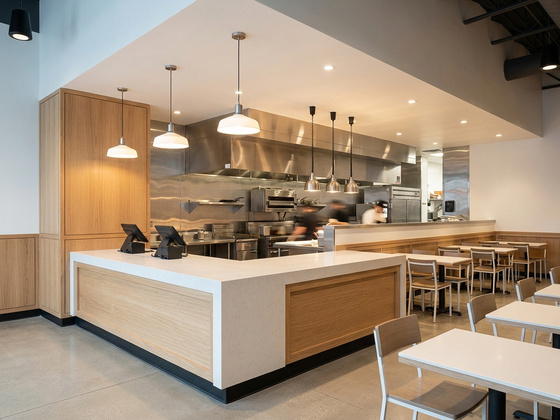
Selecting the right supply partners can make or break the capital expenditure and launch schedule of any multi-unit or independent fast-casual venture. Traditional fast-casual and quick-service buildouts typically cost between $300,000 and $800,000+ per location, driven heavily by leasehold improvements, specialized commercial kitchen ventilation, and high-durability dining room fixtures. When sourcing across disparate categories—from cooking suites to seating—uncoordinated procurement often leads to delivery delays, mismatched interfaces, and budget blowouts.
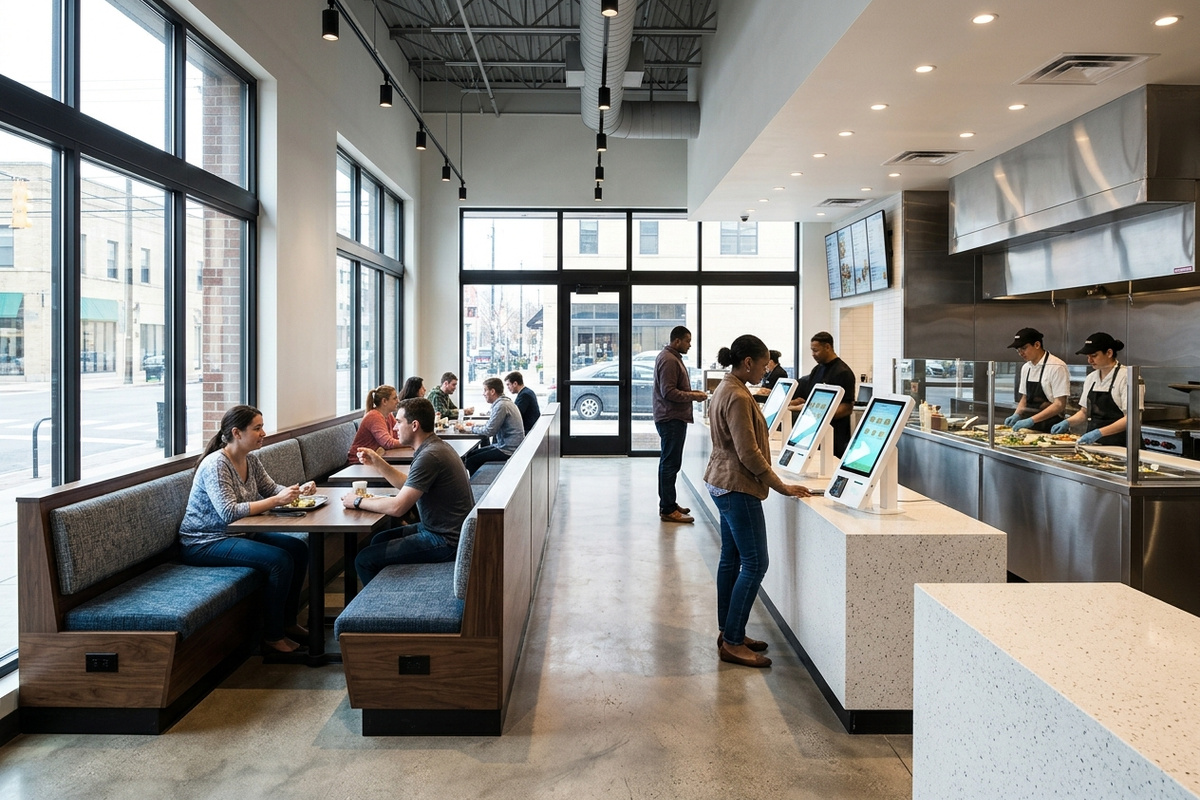
Navigating the supplier landscape requires a structured framework that evaluates vendor consolidation capability, manufacturing scale, code compliance, warranty enforcement, and operational ergonomics. Working with an end-to-end hospitality partner such as ron group enables operators to bridge design intent with scalable manufacturing and international logistics.
Stages
Executing a seamless fast-casual buildout follows four core procurement and supplier management stages, ensuring every fixture, cooking unit, and architectural element meets strict commercial performance standards.
Stage 1: Categorization and Supplier Capability Mapping
Procurement begins by mapping project specifications across primary supply categories:
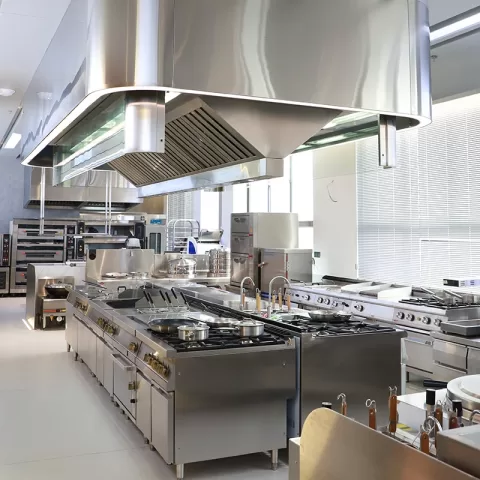
Back-of-House (BOH) Heavy Equipment: Commercial cooking lines, refrigeration units, dishwashing machines, and ventilation hoods. Grills, fryers, and Type 1 commercial ventilation hoods alone frequently exceed $100,000 combined.
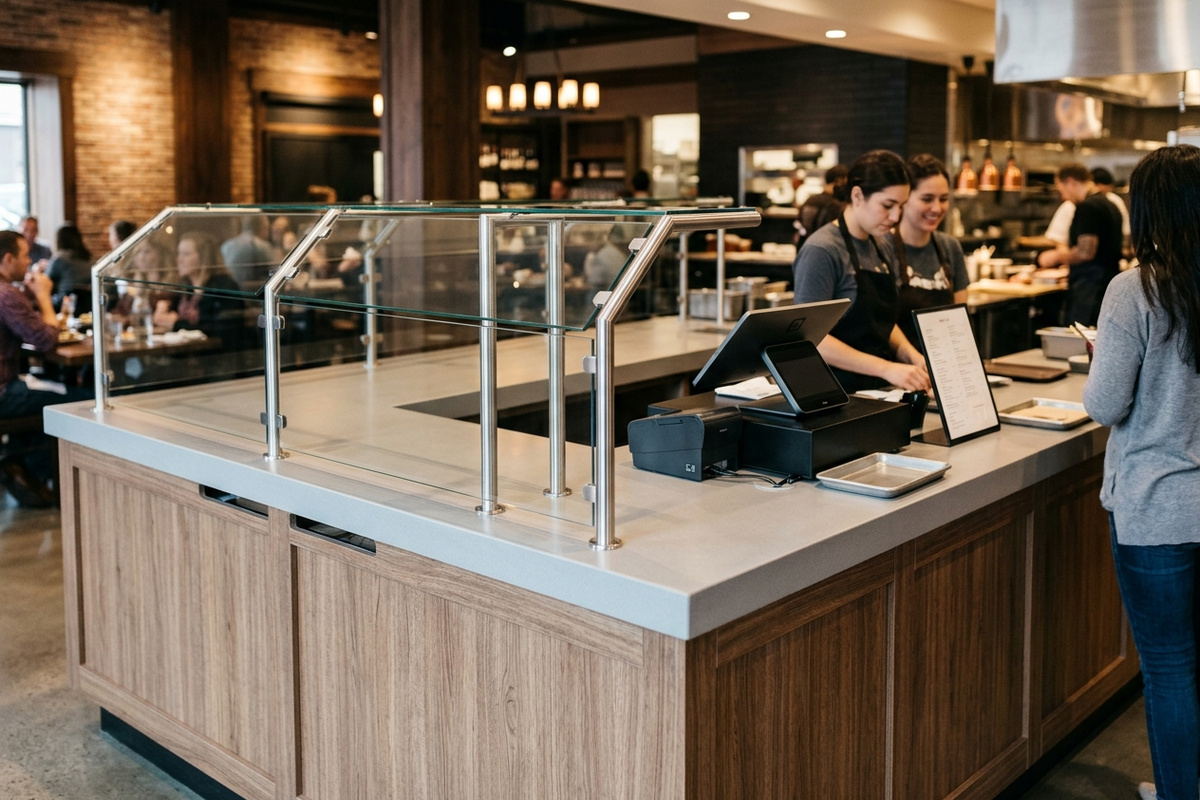
Front-of-House (FOH) Custom Millwork & Fixtures: Service counters, host stands, beverage pickup counters, upholstered booths, waste enclosures, and sneeze guards.
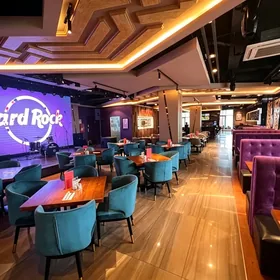
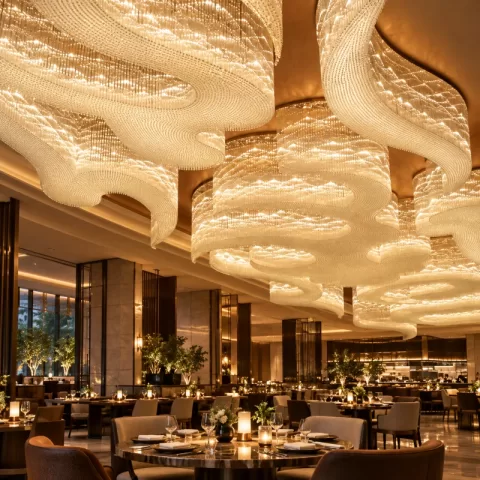
Architectural Finishes and Loose Furniture: High-traffic table tops, commercial metal bases, and durable dining chairs. Sourcing directly through established manufacturers like restaurant furniture china can substantially lower unit costs while maintaining rigorous commercial-grade upholstery and frame standards.
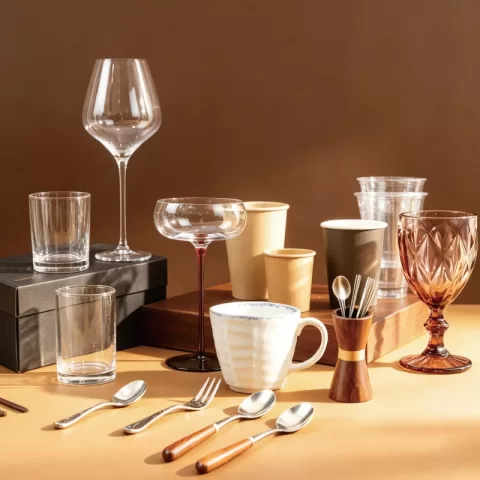
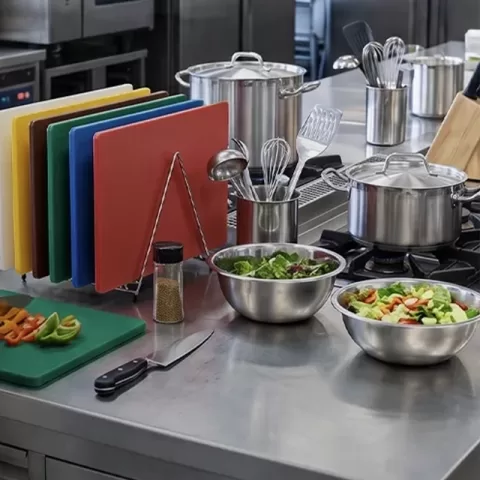
Operating Supplies and Equipment (OS&E): Serving trays, smallwares, POS/KDS peripherals, and beverage dispensing lines. For beverage-heavy concepts, reviewing a specialized bar equipment list ensures no essential undercounter or plumbing-integrated units are missed.
Stage 2: Supplier Vetting, Technical Audits, and Compliance Verification
Fast-casual environments subject fixtures and equipment to rigorous daily wear and strict health regulations. Suppliers must be evaluated on:
Code & Sanitary Certification: Verification of NSF/ANSI sanitary ratings, UL/ETL electrical and gas safety compliance, and local health department standards for non-porous food contact surfaces.
Manufacturing Capacity and Lead Times: Assessing whether the supplier operates dedicated manufacturing facilities—such as large-scale 350,000 sq ft manufacturing plants—or relies entirely on unvetted third-party brokers. Standard production runs require 6 to 12 weeks, making production visibility essential.
Consolidation and Logistics Control: Juggling individual orders across millwork contractors, metal shops, display case fabricators, and countertop suppliers creates multi-vendor scheduling friction. Choosing turnkey partners with vendor consolidation capabilities eliminates finger-pointing when site dimensions require field adjustments.
Stage 3: Engineering Coordination and MEP Alignment
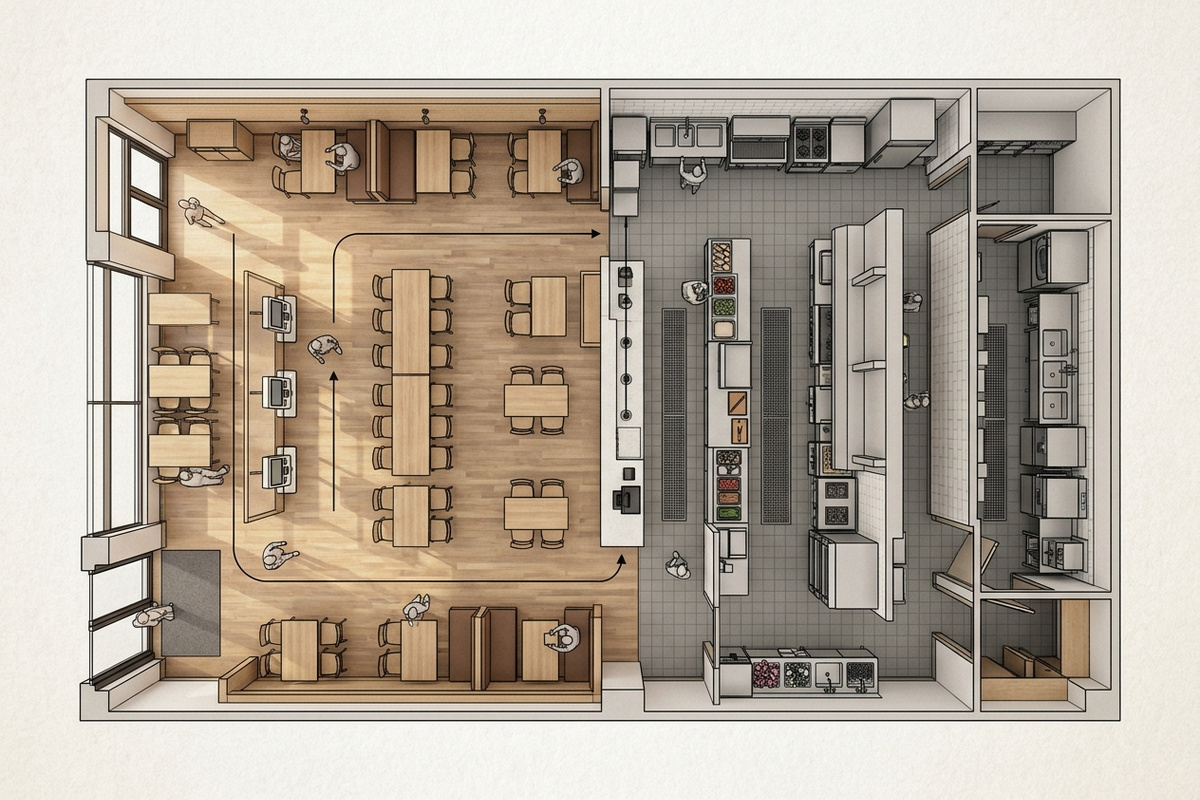
Before fabrication begins, suppliers and contractors must coordinate all mechanical, electrical, and plumbing (MEP) interfaces. As detailed in standard fast-casual buildout guidelines, site engineering must align:
Dedicated circuit loads and breaker capacities for combi-ovens, speed-cook platforms, and self-order kiosks.
Floor drain placement and grease interceptor rough-ins beneath three-compartment sinks and dishwashing areas.
Type 1 and Type 2 exhaust hood ducting, make-up air (MUA) balance, and integrated fire suppression nozzles.
ADA accessibility compliance across counter heights, transaction surfaces, and aisle pathways.
Stage 4: Site Delivery, Installation, and Commissioning
To prevent jobsite congestion, supplier deliveries must be sequenced according to construction milestones:
Rough-In & MEP Close-in: Ductwork, grease traps, floor sinks, and subfloor conduit.
Hard Finishes & Major BOH Drop: Walk-in coolers, hood shells, and stainless wall cladding.
FOH Millwork & Countertops: Quartz or solid-surface counter runs, sneeze guards and food shields, digital menu board framing, and booth casework.
Loose FF&E and Commissioning: Dining tables, loose chairs, POS terminals, and test runs under actual operational loads. National commercial kitchen contractors demonstrate that tightly coordinated scheduling can complete accelerated restaurant builds in 124 to 131 days from start to open.
Checklist
Use this practical procurement checklist when evaluating supplier proposals, contract terms, and manufacturing milestones for fast-casual buildouts.
| Procurement Category | Key Verification Item | Target Specification / Standard | Pass / Fail |
|---|---|---|---|
| Custom Millwork & Counters | Material Durability & Hygiene | Commercial laminates, solid surface/quartz tops, non-porous food contact surfaces | [ ] |
| Food Shields & Displays | Sanitary Code & Visibility | NSF-compliant glass/acrylic sneeze guards with integrated lighting and food shields | [ ] |
| Cooking & Thermal Line | Utility Matching & Hood Sizing | Correct kW / BTU ratings, Type 1 commercial hood overhang, and UL 300 fire suppression | [ ] |
| Refrigeration & Prep | Temperature Holding & Plumbing | NSF-7 certified holding cabinets, prep tables with integrated cold wells and condensate lines | [ ] |
| Dining Furniture (FF&E) | Heavy Commercial Duty | High double-rub fabric ratings (>100k cycles), welded steel frames, tamper-resistant glides | [ ] |
| Technology Integration | Digital Kiosk & KDS Framing | Structural millwork enclosures for self-order kiosks, recessed digital menu mounts | [ ] |
| Supplier Credentials | Vendor Accountability | Single-point project manager, minimum 1-year commercial warranty, consolidated freight support | [ ] |
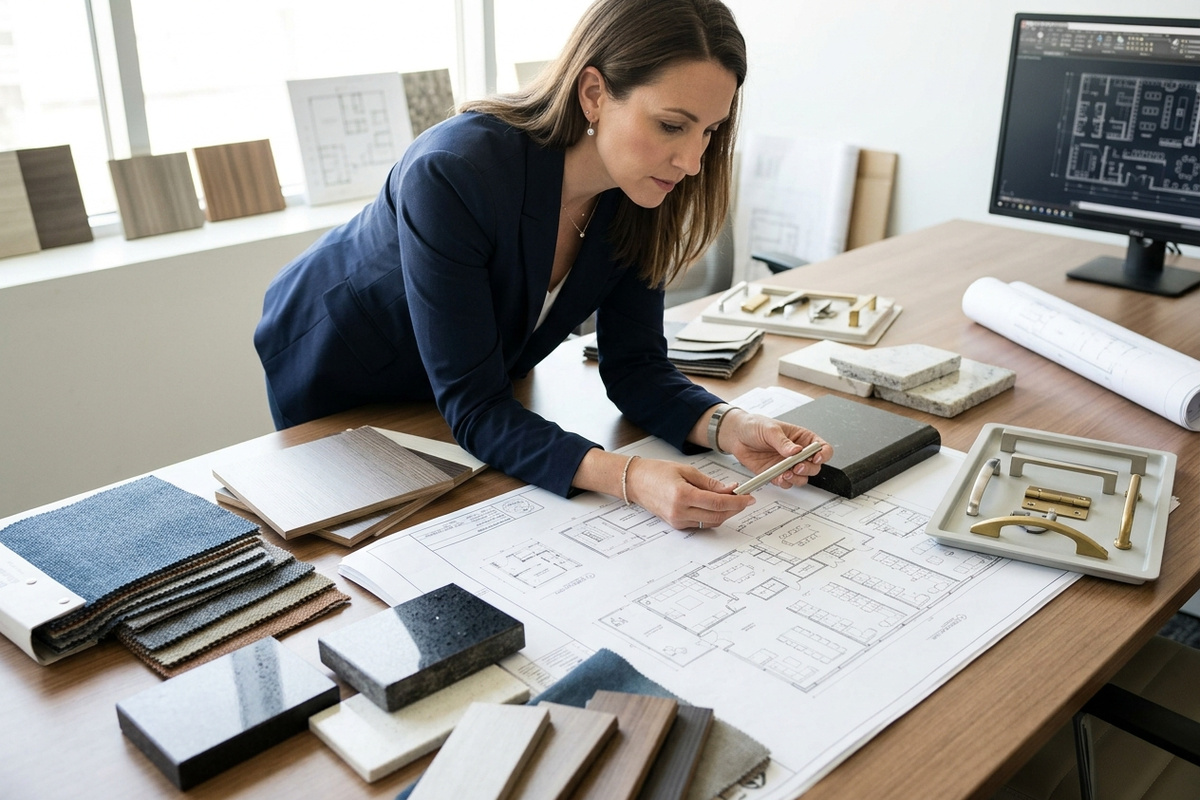
For operators targeting aggressive cost targets or specialty aesthetics, incorporating value-engineered design principles from restaurant interior design low budget or cultural thematic styling from chinese restaurant design helps balance unique brand identity with strict budgetary caps.
Exceptions
Procurement strategies must adapt when dealing with non-standard physical spaces, regulatory variations, and alternative operating models:
Ghost Kitchens and Delivery-Only Hubs: Operators pivoting to off-premise or cloud kitchen concepts eliminate dining rooms and front-of-house staff entirely. This reduces overall buildout capital from the typical $300,000–$800,000+ range down to $30,000–$80,000 for a 200–1,500 sq ft space. In these models, supplier procurement shifts away from decorative millwork and loose furniture to focus purely on rapid-cook convection ovens, standardized holding racks, and shared commissary infrastructure.
Micro-Footprints & Kitchenless Kiosks: High-density workplace dining infrastructure utilizing automated hot-holding and smart cookers bypasses conventional gas cooking lines and commercial exhaust hoods completely, condensing startup schedules and MEP utility requirements.
Historic or Non-Standard Shell Spaces: Retrofitting legacy retail spaces often presents low ceiling clearances, inadequate incoming electrical service, or non-compliant plumbing stack locations. In these cases, custom millwork fabricators must conduct 3D laser site surveys before releasing shop drawings to prevent costly on-site modifications.
Jurisdictional Health Code Variances: Local municipalities enforce varying interpretations of food shield heights, hand-wash sink proximity, and grease trap volume requirements. Ensure all custom counters and sneeze guards feature adjustable mounting brackets to accommodate municipal inspector requests during final walkthroughs.
Cta
Planning a fast-casual expansion or single-unit buildout requires dependable manufacturing partners who deliver on time, within budget, and to exact commercial standards. Connect with our hospitality procurement specialists to streamline your fixture fabrication, furniture sourcing, and project supply chain.
Get the week's latest industry information
-
Real-Life Professional Restaurant Case Studies
Explore Now
-
Create a unique restaurant with over 95,700+products
Explore Now
-
Protessional Free 3D Restaurant Design
Explore Now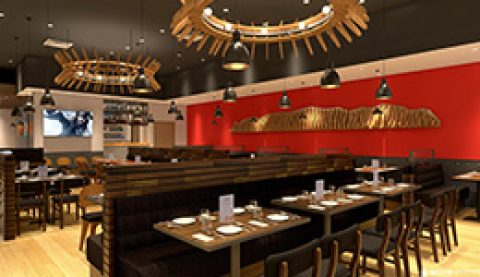
-
Still Have Questions About Opening a Restaurant?
Explore Now

Sylvia
With 8 years in catering & hospitality industry, sales manager of Ron Group, specialise in providing one stop solutions to restaurants, hotels and weddings.
Discover Our Exclusive Products
Explore our extensive range of restaurant and hotel supplies designed to enhance your operations. Find the perfect solutions to meet your needs.
Browse Our ProductsFREE 3D DESIGN
Boost your restaurant's success with our free 3D design service. Start building the restaurant of your dreams today!
Explore 3D Design Case
RECOMMENDED CASES
-
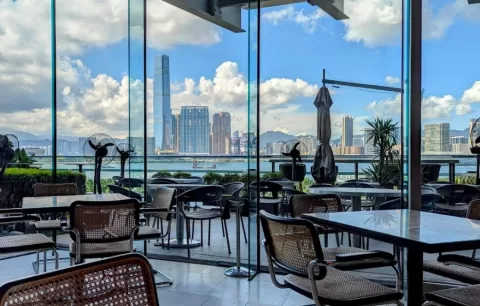
La Rambla by Catalunya: Crafting Barcelona's Soul in Hong Kong - Custom Furniture Excellence
RON Group's custom Spanish-inspired furniture elevates La Rambla with artisanal aesthetics...
Learn More -
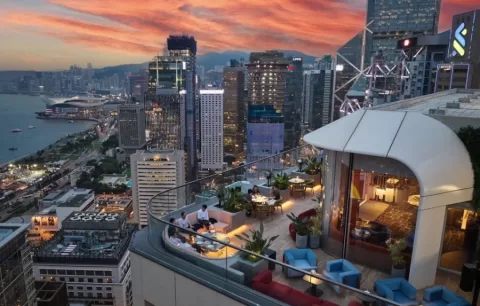
Cardinal Point: Elevating Outdoor Seating with Tailored Cushion Upgrades
Discover how Cardinal Point transformed its outdoor dining experience with custom cushions, achievin
Learn More
RECOMMENDED BLOGS
-
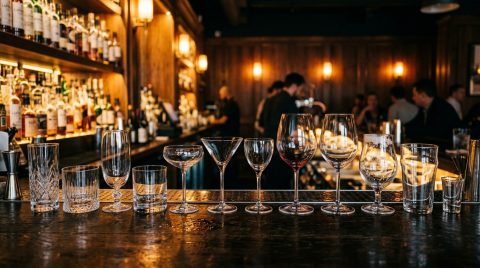
Bar Glassware 101: Types, Names, Uses, and How to Stock Your Bar
Learn the 10 core bar glassware types, names, and uses. Discover how to stock your bar with the right glasses for cocktails, beer,...
Sylvia2026-07-26 -
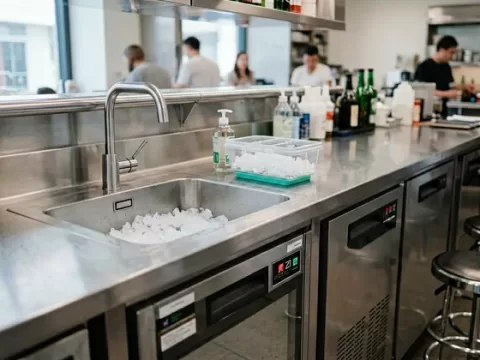
Complete Bar Equipment List for Opening a Bar
Use a complete bar equipment list with pictures, covering workstations, ice, refrigeration, glassware, utilities, sanitation and a...
Sylvia2026-06-11 -
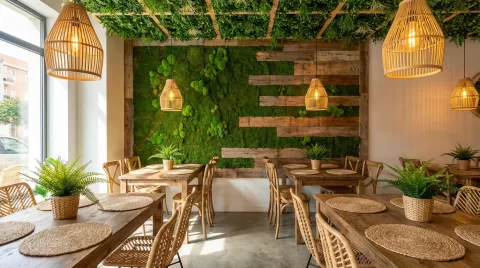
Low-Budget Restaurant Interior Design Ideas: Spend Where Guests and Staff Notice
Explore low-budget restaurant interior design ideas, practical material choices, layout priorities and phased upgrades without...
Sylvia2026-04-04
Subscribe to RON GROUP
Stay up-to-date with the latest industry insights and expert advice. Together, we'll create your ideal restaurant.