
Content
The hospitality sector stands at a critical inflection point as it approaches the 2026 fiscal horizon. For stakeholders in the Asian dining segment-specifically those investing in or operating Chinese cuisine concepts-the convergence of macroeconomic pressure, shifting consumer psychographics, and rigorous regulatory updates demands a radical departure from traditional operational models. This report, commissioned for the RON Group Global ecosystem, serves as a definitive strategic guide for navigating this transformation. It moves beyond superficial aesthetic trends to analyze the structural, financial, and operational imperatives that will define market leadership in the coming decade.
Current market intelligence indicates a robust recovery trajectory, with global restaurant sales projected to breach the $1.5 trillion mark by 2025-2026. However, this growth is not evenly distributed. It is heavily weighted toward operators who successfully pivot from selling "meals" to orchestrating "immersive cultural destinations." The data reveals a bifurcation in the market: establishments that rely solely on culinary legacy are seeing stagnant table turnover rates, while those integrating narrative-driven interior design, hyper-efficient kitchen technology, and sustainable infrastructure are realizing revenue lifts of 10% to 30% post-renovation.
This analysis identifies ten definitive interior design trends for 2026, but treats them as capital investment strategies rather than mere decor. We examine the Total Cost of Ownership (TCO) of transitioning from gas to induction wok systems, the liability implications of updated ventilation and fire-suppression expectations under NFPA 96 enforcement, and the ROI of acoustic architecture. By synthesizing inputs from regulatory frameworks (UL, NSF, NFPA), operational audits, and global design benchmarks, this report equips procurement managers and owners with the intelligence required to minimize risk and maximize long-term asset value.
TECHNICAL NOTE // KEY ENGINEERING STANDARD
Commercial Engineering Standard: All structural hospitality layouts, commercial furniture frames, and tabletop specifications must comply with BIFMA X5.5 (tables) and BIFMA X5.11 (heavy duty seating) commercial test cycles. High-traffic hospitality venues require commercial-grade engineering to withstand continuous public turnover.
Section 1: Strategic Context and Market Evolution
1.1 The Macro-Economic Landscape: The Rise of the "Experience Economy"
The fundamental economic equation of the restaurant industry has shifted. Inflationary pressures on food costs and labor have eroded margins in the traditional "volume-based" model. To counter this, successful operators are moving up-market, leveraging interior design to justify higher check averages. This phenomenon, often framed as the "Experience Economy," suggests that modern consumers-particularly Gen Z and Millennials-assign greater value to the environment in which food is consumed than to the commodity of the food itself.
- Patronage Drivers: Interior design is now frequently cited as a primary determinant of restaurant selection, trailing only food quality in many segments. In premium contexts, it can surpass food as the main driver for first-time visits.
- Dwell Time & Spend: There is a direct correlation between comfort-centric design (acoustics, lighting, seating ergonomics) and check size. Guests in acoustically managed environments (roughly 45-55 dB) are more likely to spend on high-margin items (wine, dessert) than those in louder rooms (often 75-85 dB).
- The "Instagram" Multiplier: In 2026, the physical space functions as a primary marketing channel. "Photogenic" zones are no longer optional; they are essential for organic user-generated content (UGC), which reduces customer acquisition costs and supports brand discovery.
For operators who want to translate design intent into real-world buildouts, it is increasingly common to validate layouts and selections with visualization before purchase. This is where restaurant 3D design services can function as a practical de-risking layer-aligning narrative-driven design with procurement reality.
1.2 The Cultural Pivot: From "Ethnic" to "Cultural Luxury"
For decades, Chinese restaurant design in Western markets was constrained by the "ethnic dining" trope-a value-driven proposition often associated with inexpensive takeout, crowded layouts, and stereotypical decor (red lanterns, golden dragons). 2026 marks the definitive end of this era and the maturation of "Neo-Chinese" Luxury .
This shift is driven by a new generation of restaurateurs reclaiming cultural narrative. They are blending traditional Chinese philosophies-Feng Shui, symmetry, and connection to nature-with global luxury standards. This is not a rejection of heritage but a refinement of it. It aligns with the "Quiet Luxury" movement, where value is conveyed through material authenticity (solid walnut, raw silk, hand-cast bronze) rather than overt ornamentation.
Strategic implication: For hotel owners and developers, this means Chinese dining concepts can now anchor luxury properties. A high-end Chinese restaurant is no longer just an amenity; it is a destination driver capable of competing with French or Italian fine dining on prestige and price point.
Section 2: Financial Framework & ROI Analysis
2.1 The Renovation ROI Model
Investing in high-quality interior design and efficient infrastructure is capital-intensive. However, the return on investment (ROI) is measurable and, when executed correctly, substantial. Many operators work on renovation cycles of roughly 5-7 years, but the 2026 cycle is uniquely critical due to the parallel need for both technological and aesthetic upgrades.
Financial impact of strategic renovation: Across multiple markets, a comprehensive front-of-house renovation can yield a revenue increase of 10% to 30% within the first 12 months. This lift is typically driven by three levers:
- Check Average Expansion: Guests perceive higher value in renovated spaces. Strategic lighting and acoustic treatments reduce cognitive load, making guests feel more relaxed and more willing to order additional courses. Restaurants often sustain price increases of 5-10% post-renovation without negative sentiment when experience quality is genuinely improved.
- Capacity Optimization: Modern furniture design enables modular density. By replacing bulky, fixed seating with flexible systems, operators can increase seat count by 10-15% without compromising guest comfort-raising peak-hour revenue potential. For selection and specification planning, it can be useful to map seating strategy to a core category set such as a furniture collection .
- The Private Dining Multiplier: The addition or upgrade of Private Dining Rooms (PDRs) is frequently among the highest ROI design interventions for 2026. A well-designed PDR can generate $200,000+ annually in incremental high-margin revenue via corporate bookings and family events, often structured around minimum spend guarantees. To support PDR layouts, operators commonly evaluate modular banquettes and lounge seating such as dining sofas and complementary commercial pieces.
Cost Benchmarks (2025-2026 Estimates):
| Renovation Tier | Scope of Work | Estimated Cost (USD/sq. ft.) | Est. Payback Period |
|---|---|---|---|
| Light Refresh | Paint, lighting re-lamp, upholstery updates | $50-$100 | 12-18 months |
| Operational Remodel | New furniture, bar/station flow, flooring | $150-$250 | 18-36 months |
| Full Structural Gut | Kitchen upgrades (including electrification), HVAC, walls | $300-$450+ | 36-60 months |
| PDR Addition | Acoustic isolation, AV integration, butler pantry | $200-$300 | 12-24 months |
Note: Costs vary materially by region and labor market conditions. Operators should validate local bids, lead times, and permitting timelines before finalizing capital plans.
2.2 The Cost of Inefficiency: OpEx vs. CapEx
While CapEx for renovation is significant, the cost of not upgrading infrastructure appears as inflated OpEx.
- Energy inefficiency: Legacy gas-heavy kitchens can be fiscally draining. Much of the energy input heats the surrounding air rather than the pan, increasing both utility bills and HVAC cooling load. In contrast, modern electric and induction platforms can be substantially more efficient in energy transfer under comparable throughput.
- Labor attrition: The labor market has structurally shifted. Kitchens that are hot, loud, and poorly ventilated see higher turnover, increasing recruitment and training costs. Investing in cooler, ergonomic kitchen environments can function as a retention strategy, not just an equipment choice.
Section 3: The 10 Definitive Chinese Restaurant Design Trends for 2026
The following trends represent the convergence of aesthetic desire and operational necessity. They are not merely visual styles but strategic frameworks for market positioning in the diverse landscape of Chinese cuisine.
Trend 1: The Neo-Chinese Renaissance (Modern Heritage)
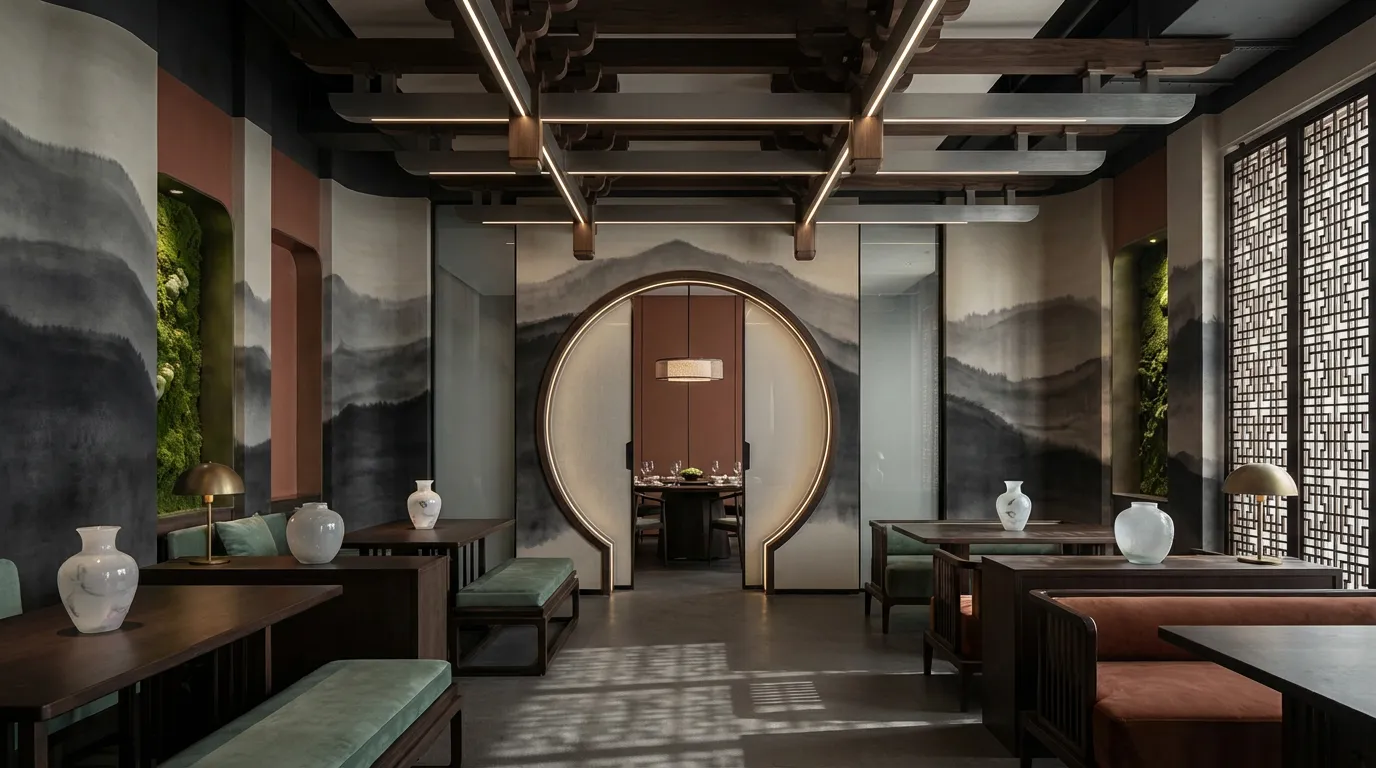
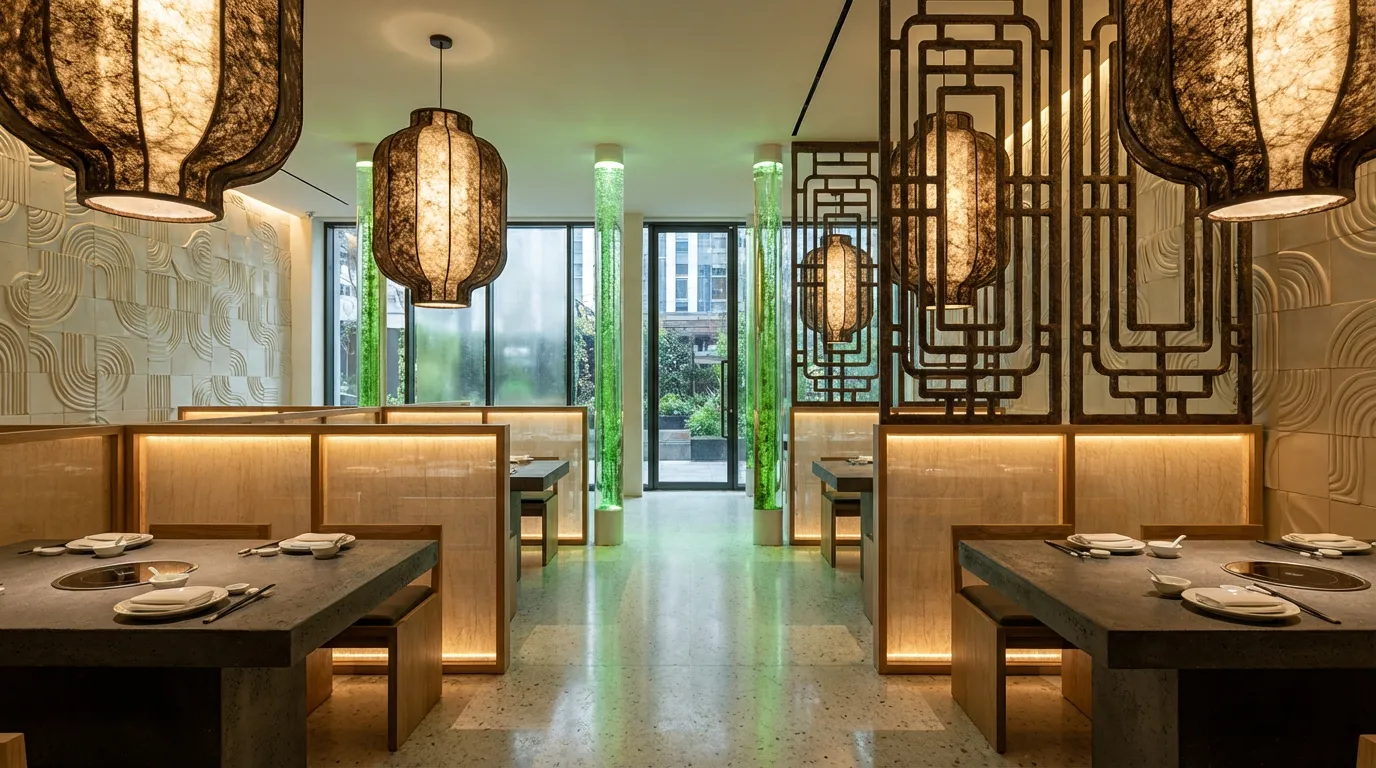
The strategic concept: "Neo-Chinese" is a dominant aesthetic trajectory for premium dining in 2026. It represents a sophisticated fusion of traditional Chinese philosophy-symmetry, hierarchy, and symbolism-with contemporary minimalist design principles. It rejects "theme-park" stereotypes in favor of nuanced authenticity that appeals to global travelers and culturally literate local diners.
Key design elements:
- Material authenticity: A palette dominated by natural, high-integrity materials. Operators are moving away from laminates toward solid woods and engineered sustainable substrates, paired with stone-like surfaces and refined metal accents. In procurement planning, it helps to translate this into actual SKUs across seating, tables, lighting, and tabletop.
- Refined silhouettes: Furniture borrows from Ming Dynasty influences-clean lines and elegant curves-updated with modern ergonomics and commercial-grade textiles. A practical starting point for sourcing is a curated set of dining chairs with verified durability specs.
- Abstract symbolism: Instead of literal dragons and lantern clichs, symbolism becomes abstract: relief textures evoking scale patterns, lighting mimicking ink diffusion, screens using negative space to imply architecture.
Operational & procurement note: Sourcing authentic Neo-Chinese furniture often requires Chinese restaurant customized projects support-especially when silhouettes must match a brand narrative. Where appropriate, operators can reference examples such as a unique design wooden restaurant chair for refined profiles, or a wooden rattan chair to echo bamboo/handcraft warmth in transitional spaces.
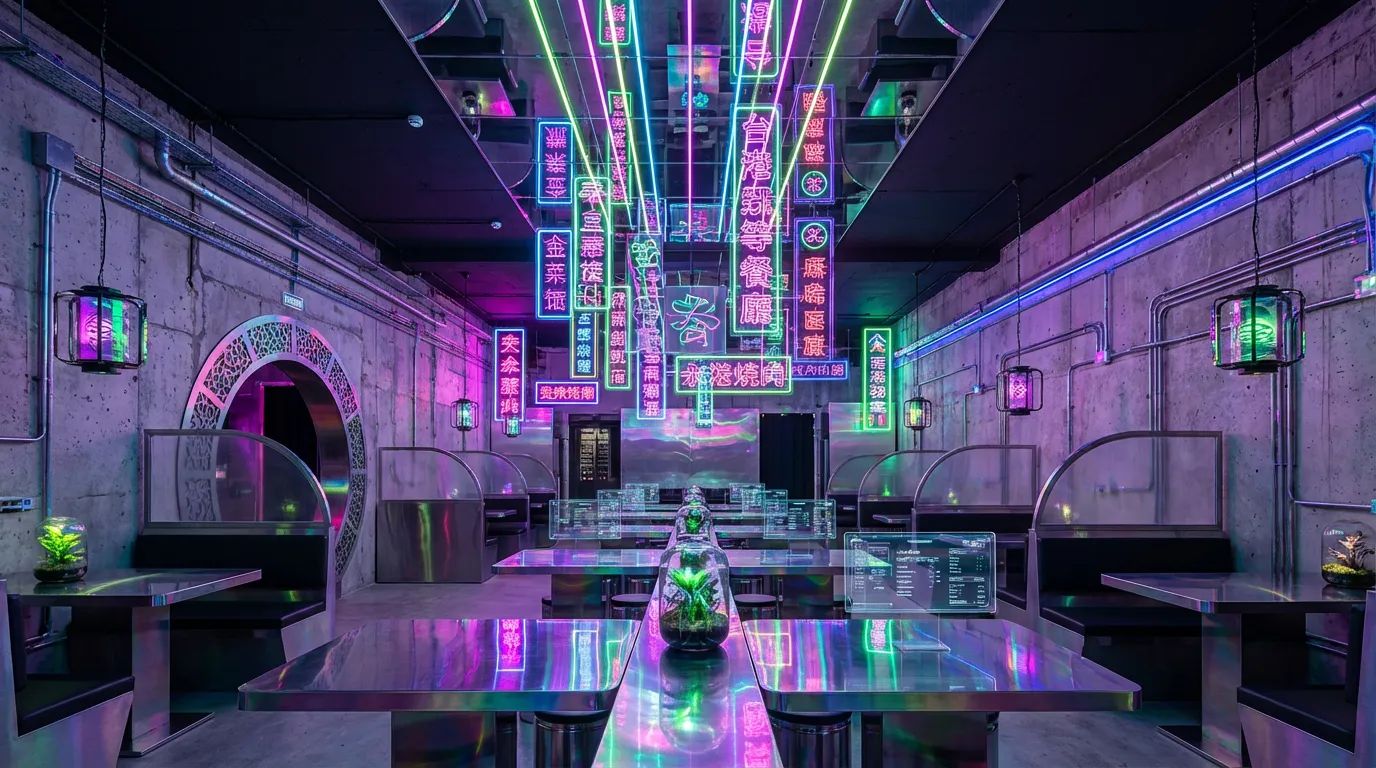
Trend 2: Cyberpunk and Futuristic Asian Aesthetics
The strategic concept: Targeting Gen Z/Alpha demographics and the lucrative late-night dining sector, Cyberpunk aesthetics draw inspiration from neon-soaked cityscapes (Hong Kong, Tokyo, Shanghai) and cinematic references. The space becomes a high-energy, immersive environment that feels like stepping into a digital future.
Key design elements:
- Lighting as architecture: Neon and programmable systems are no longer decorative; they define form. Lighting collections should be evaluated for dynamic control potential, scene switching, and durability under long operating hours.
- Industrial dystopia: Exposed concrete, corrugated metal, and distressed brick contrast with sleek high-tech materials like acrylic and polished stainless. Detail lighting-such as a metal table lamp-can reinforce the "high tech / low life" tension without requiring full structural changes.
- Vertical zoning: Mezzanines, mesh dividers, and semi-private pods increase seat count while intensifying the vibe, especially for late-night and bar-forward formats.
Risk mitigation: Hard surfaces amplify reverberation and guest fatigue. Acoustic treatments should be integrated without breaking the industrial visual language. This is one of the most common failure modes for Cyberpunk concepts that look compelling but underperform in repeat visitation due to discomfort.
Trend 3: Zen Essentialism and Wabi-Sabi
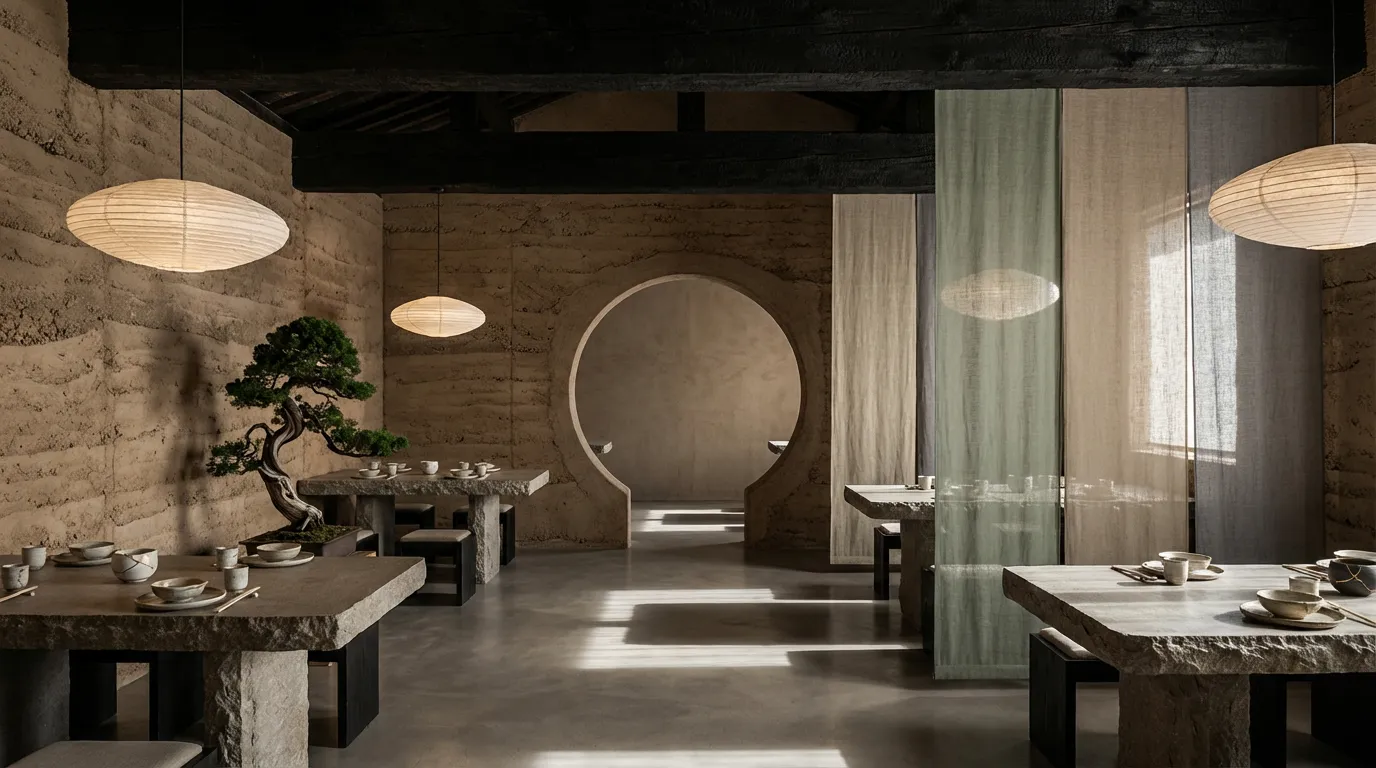
The strategic concept: As a counter-movement to digital saturation, Zen/Wabi-Sabi emphasizes tranquility, imperfection, and nature connection. It creates a sanctuary experience and is especially effective for tea-focused concepts, wellness-driven menus, and premium "slow dining."
Key design elements:
- Wabi-Sabi finishes: Lime wash, clay plaster, textured concrete-celebrating the hand of the maker. Imperfection becomes narrative.
- Biophilic architecture: Moss walls, bamboo compositions, stone water features, and planted floor beds. Natural-material seating can extend the biophilic story; rattan-forward options are often sourced from categories like rattan furniture , including examples such as a factory wholesale restaurant rattan chair .
- Diffused lighting: Warm, low-glare lighting (typically 2700K-3000K) to create a calm visual field; selections can be grounded in practical SKUs such as table lamps where portable diffusion is desired.
Financial implication: This design language can command a premium price point because the guest is paying for restoration and calm alongside the meal. It supports tasting formats and higher-margin beverage pairings when service is aligned with the pace of the room.
Trend 4: Immersive and Projection-Mapped Dining
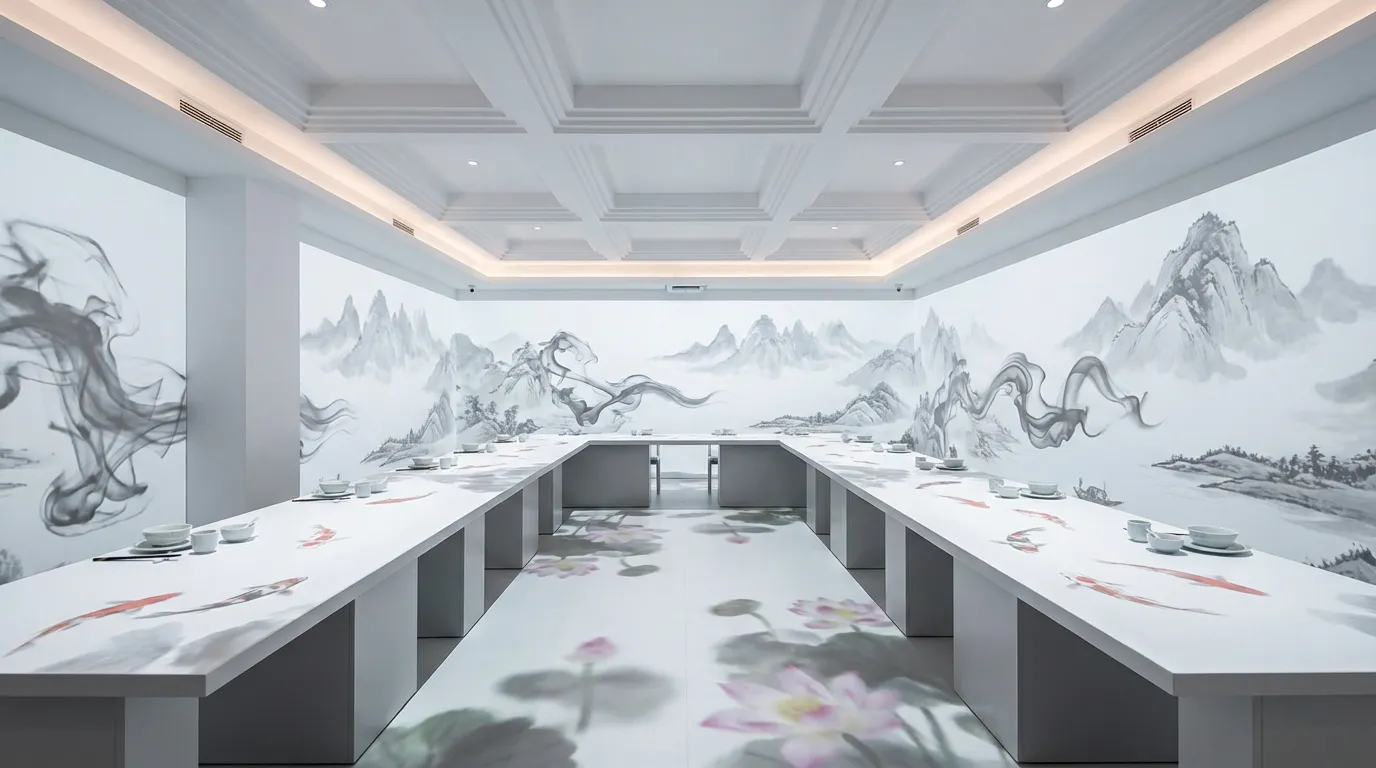
The strategic concept: In 2026, the table can function as a stage. Immersive dining uses projection mapping to transform surfaces-tables, walls, and architectural planes-into dynamic narratives. This responds to the demand for "eatertainment," where the story of the food is part of the experience.
Key design elements:
- High-lumen projection capability: Laser projection systems must be specified to compete with ambient light and maintain image integrity.
- Surface neutrality: Matte, light-toned surfaces reduce glare and improve projection fidelity.
- Interactive content options: The leading concepts extend beyond passive viewing into reactive surfaces and sensor-driven experiences.
ROI analysis: CapEx can be high, but the business model often shifts toward ticketed events, private buyouts, and premium packages. Content refreshability also improves venue versatility (corporate lunch branding, themed evening programming, seasonal story arcs). Where lighting, architectural control, and mood-scene transitions overlap, operators often coordinate projection requirements alongside core lighting procurement decisions early in design development.
Trend 5: The Evolution of the Private Dining Room (PDR 2.0)
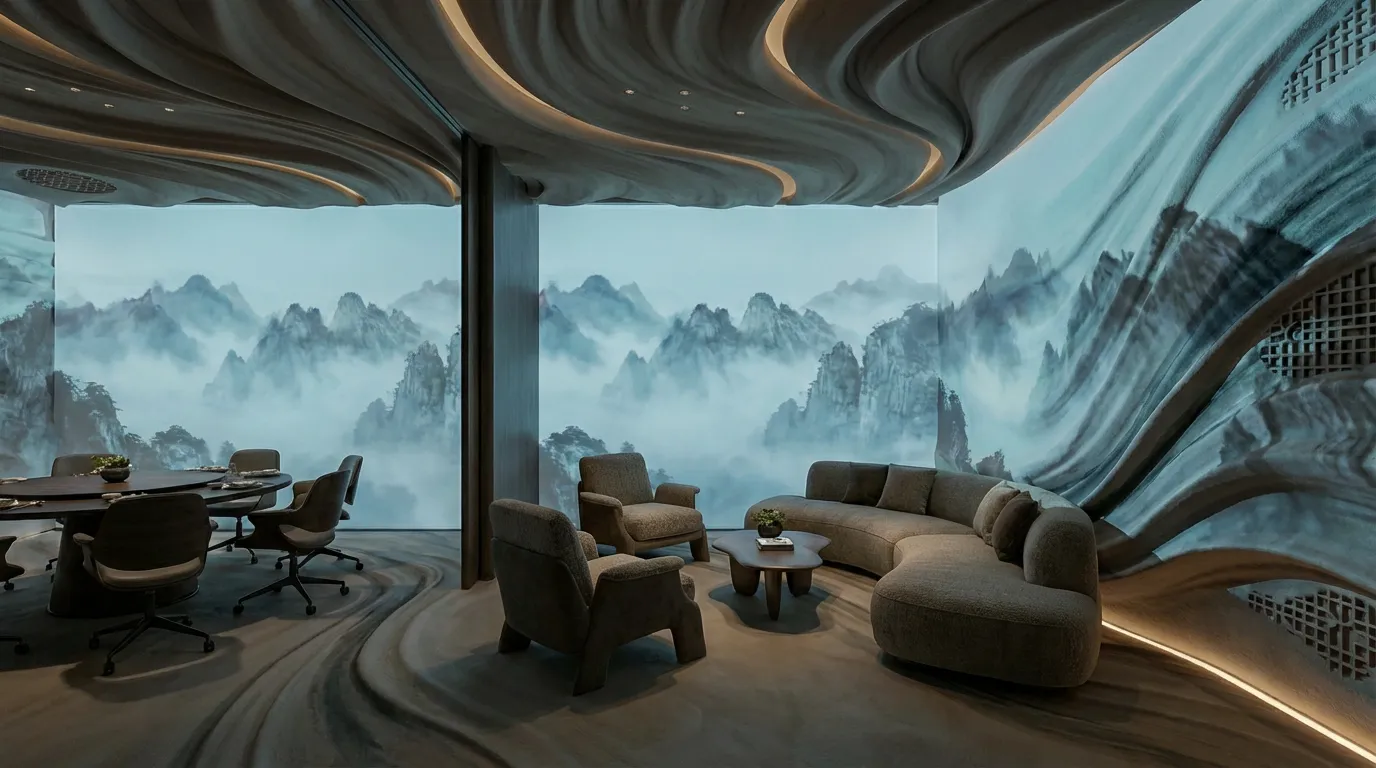
The strategic concept: Post-pandemic demand for privacy has remained structurally strong. The 2026 PDR is a "restaurant within a restaurant," offering exclusivity and controlled experience design. It is frequently the primary engine for high-ticket corporate and multi-generational family revenue.
Key design elements:
- Acoustic isolation: Walls, doors, and ceiling assemblies must be planned for real isolation performance, not superficial treatment.
- Butler infrastructure: Dedicated service stations reduce staff traversal and improve perceived hospitality quality.
- Themed micro-environments: Differentiated room identities increase repeat bookings and justify minimum spend requirements.
Operational note: In PDR layouts, seating flexibility is central to utilization. Many projects begin with a modular seating plan anchored in categories such as dining sofas or broader canteen furniture lines, depending on whether the PDR targets luxury banqueting or high-throughput private events.
Trend 6: The "Theatre" Open Kitchen
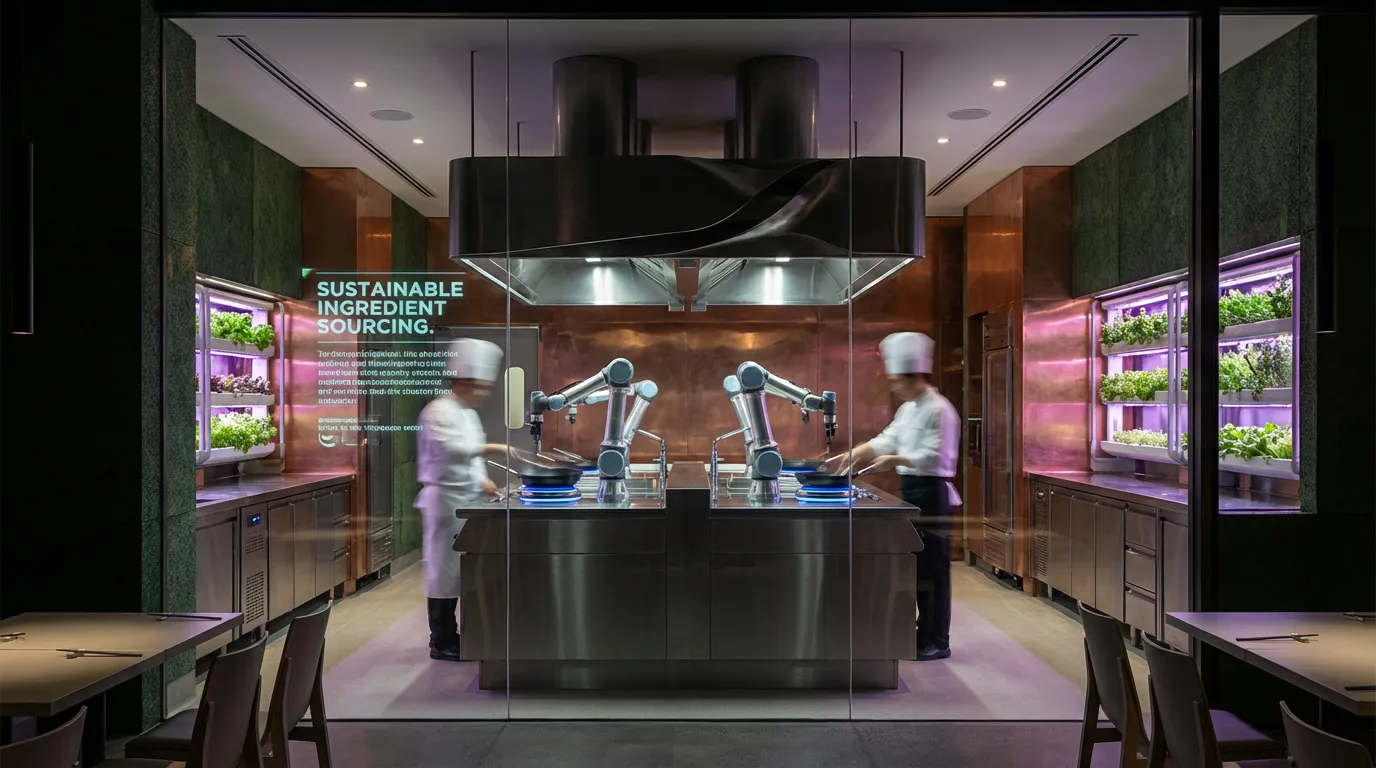
The strategic concept: Transparency builds trust. The open kitchen transforms culinary process into performance. In Chinese cuisine-where wok cooking delivers visual drama-open kitchens can be powerful brand assets. However, 2026 expectations require this theatre to be visibly clean, well-managed, and code-compliant.
Key design elements:
- Glass partitioning: Floor-to-ceiling glazing maintains visibility while controlling heat, grease odors, and noise.
- Aesthetic equipment: The line is the set. Equipment selection must balance performance with visual coherence.
- Lighting the stage: High-CRI, targeted lighting enhances perceived precision and hygiene.
Procurement linkage: Open-kitchen staging often extends beyond major equipment into stainless accessories and service tools. Practical category planning can start from kitchenware & equipment , complemented by stainless details used at beverage stations and service passes (for example, a stainless steel beverage insulation bucket can support premium beverage theatre and temperature control in view of guests).
Trend 7: Sustainable Luxury and Eco-Materiality
The strategic concept: Sustainability is no longer a niche differentiator-it is an expectation. "Sustainable Luxury" demonstrates that eco-forward materials can still feel premium and perform in commercial environments.
Key design elements:
- Engineered natural materials: Rapid-renewal substrates and engineered composites that deliver wood-like warmth with higher stability and lower environmental impact.
- Reclaimed narrative: Story-rich reclaimed woods and heritage materials become a marketing layer as well as a design choice.
- Circular upholstery direction: Increased adoption of alternative leathers and performance fabrics designed for durability and easier replacement cycles.
Procurement linkage: Sustainable seating and occasional furniture often overlaps with rattan/bamboo aesthetics; operators can anchor selection in rattan furniture when the concept requires natural tactility, including value-engineered options such as a restaurant dining chair suited for outdoor/indoor use .
Trend 8: Smart Dining Integration (Invisible Tech)
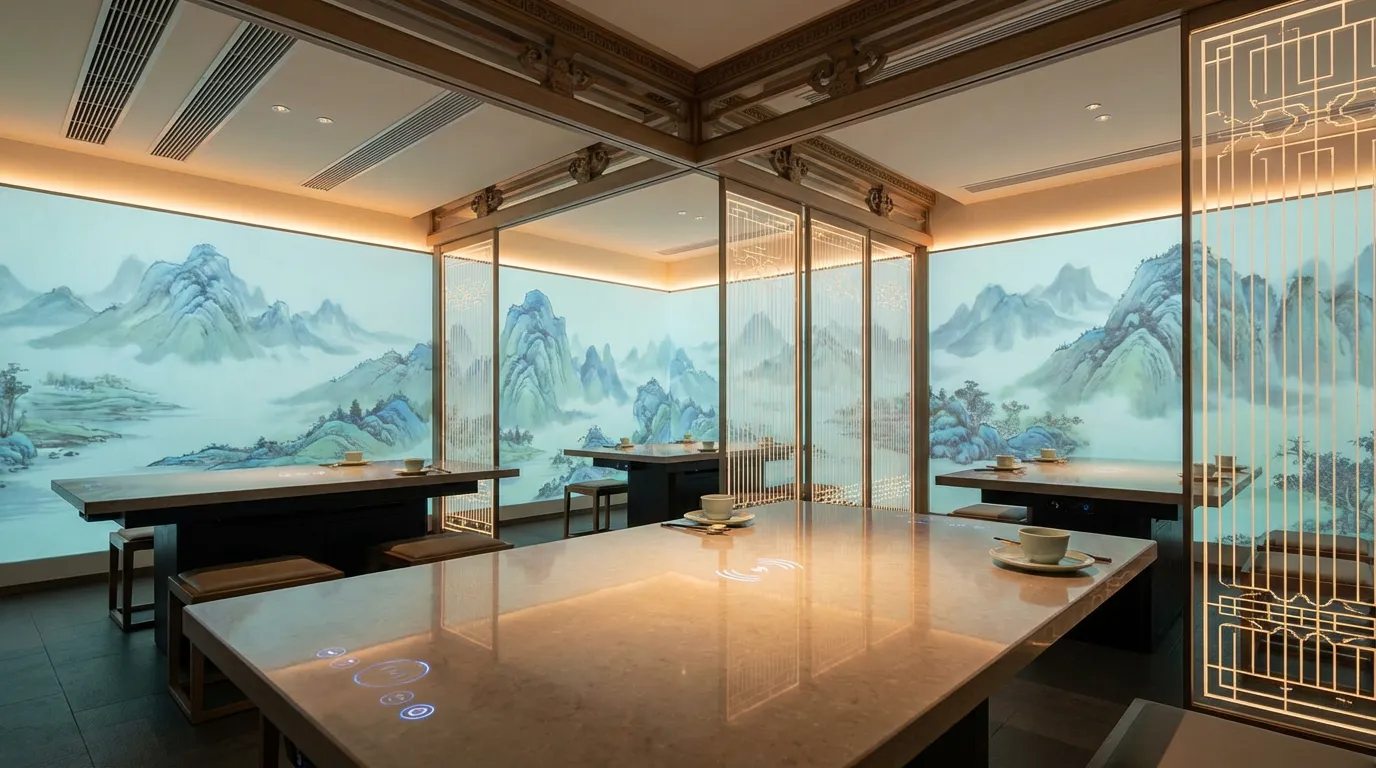
The strategic concept: Technology in 2026 should be calm and integrated-removing friction without interrupting human hospitality. Smart dining integration focuses on service speed, payment flow, and operational visibility.
Key design elements:
- NFC and wireless charging surfaces: Embedded, invisible technology that supports digital menus, payment, and service calls.
- Automation in large-table dynamics: For banquet-style Chinese dining, table movement and service ergonomics can be optimized through automation where culturally appropriate.
- Occupancy and heat-map sensing: Data can support better rotation decisions and staffing deployment.
Procurement linkage: Smart integration typically begins with physical furniture specification-table construction, cable routing, and material selection. This is often easiest to coordinate via a core furniture catalog so tech decisions are constrained by buildable, commercial-grade forms rather than abstract concepts.
Trend 9: Chinoiserie 2.0 (Bold Maximalism)
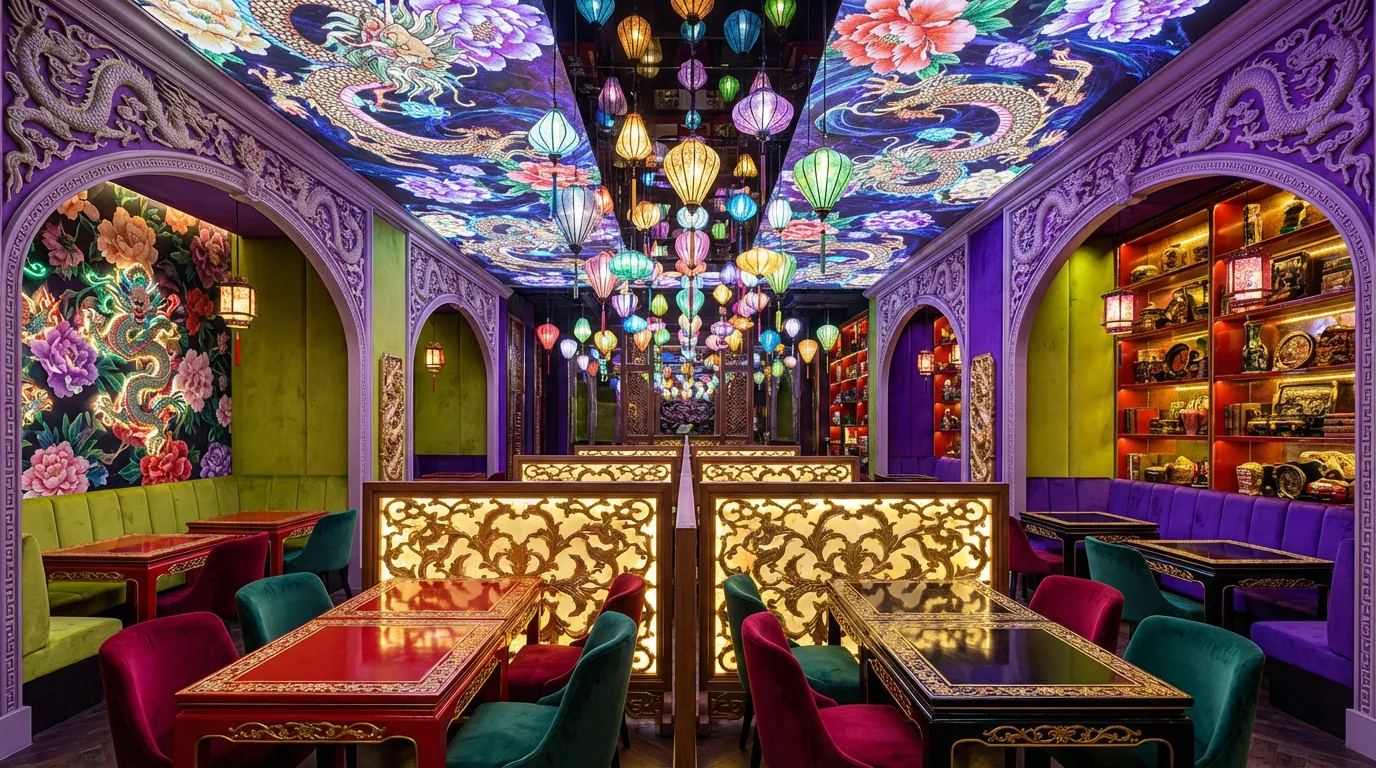
The strategic concept: A rebellion against beige minimalism, Chinoiserie 2.0 is colorful, playful, and intentionally "vibe-forward." It can be highly effective for cocktail lounges, dim sum brunch formats, and social-first concepts.
Key design elements:
- Maximalist wallpaper: Oversized florals, landscapes, and high-saturation palettes designed for social media visibility.
- Pattern layering: Curated clash across flooring, upholstery, and drapery-energetic but controlled.
- High-gloss lacquer: Furniture and millwork in reflective finishes that amplify mood lighting and color depth.
Procurement linkage: Bold interiors still require durable, replaceable commercial components. Where the look relies on glossy finishes and statement tables, teams often start from dining tables and compatible subcomponents (for example, robust table leg options designed for commercial stability and custom finish compatibility).
Trend 10: Acoustic Architecture (Soundscaping)
The strategic concept: Noise is among the most common dining complaints. In 2026, acoustic architecture becomes a foundational design layer-not a last-minute fix. A quieter, better-controlled sound field improves comfort, increases dwell time, and supports higher spending.
Key design elements:
- Invisible absorption: Treatments disguised as art, integrated ceiling clouds, and upholstered absorption surfaces.
- Zoned audio: Directional speakers and "sound bubbles" that support ambience without forcing guests to shout.
- Flooring return strategies: Carpet tiles, underlayments, and impact-noise reduction plans that protect comfort during high traffic.
Section 4: Operational Infrastructure & Kitchen Technology
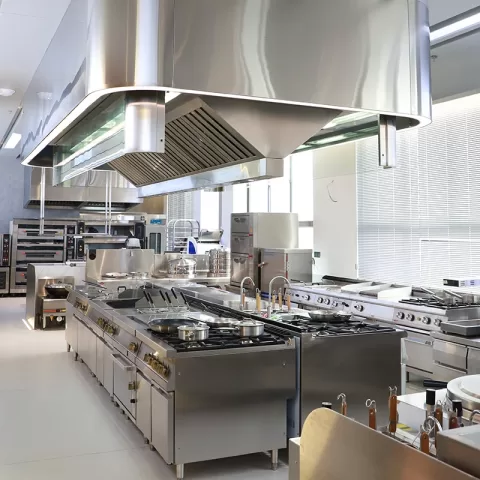
The back-of-house is the engine of the restaurant. In 2026, Chinese commercial kitchens are increasingly shaped by electrification, better heat management, and stricter enforcement expectations around ventilation and fire safety.
4.1 The Induction Shift: Wok Stations vs. Legacy Gas
For decades, the gas wok range was the undisputed king of Chinese kitchens. In 2026, commercial electrification-particularly high-power induction solutions-continues to accelerate. This is driven by thermal physics (energy transfer), economics (utility and HVAC load), and labor comfort (heat stress reduction).
| Feature | Commercial Induction-Oriented Platform | Traditional Gas-Heavy Platform | Operational Impact & ROI |
|---|---|---|---|
| Energy transfer | Higher direct energy transfer to cookware | Significant heat loss to ambient air | Potentially lower utility bills and reduced HVAC cooling demand |
| Kitchen ambient temperature | Lower heat radiance to staff environment | Higher ambient heat and thermal stress | Improved comfort, retention, and reduced cooling costs |
| Cleaning & hygiene | Simpler surface cleaning in many configurations | More disassembly/grease management | Labor savings and improved audit readiness |
| Ventilation burden | Often reduced relative exhaust requirements (case-dependent) | Typically higher exhaust and make-up air needs | Potential CapEx reduction in hood and make-up air sizing |
From a procurement standpoint, kitchen planning usually begins with category alignment rather than single SKUs. A practical reference layer for non-heavy equipment and BOH accessories is kitchen equipment planning, supplemented by cookware and serviceware where relevant (for example, copper pot selections for presentation-driven menus and heat retention strategies).
4.2 Ventilation and Fire Safety: NFPA 96 Enforcement Readiness
Ventilation and fire safety compliance under NFPA 96 is a non-negotiable risk domain for operators. While the details and adoption cadence can vary by jurisdiction and inspector expectations, the practical reality is consistent: access, cleanability, and suppression readiness must be engineered from day one.
- Access panel planning: Duct access must be designed for real serviceability. Cosmetic ceilings that block access often fail inspections or increase long-term maintenance costs.
- Grease management cadence: High-volume wok cooking is treated as heavy grease. Cleaning frequency expectations can escalate, especially for open-kitchen concepts.
- Suppression compliance: UL-300 alignment and system validity are frequently tied to insurance and inspection outcomes. "Cheap" systems or unverified imports can create red-tag delays and forced replacement costs.
Strategic advice: Treat ceiling and access planning as part of the cost model, not just aesthetics. Modular access solutions reduce lifecycle cost and protect opening timelines.
Section 5: Strategic Sourcing and Procurement
5.1 The "One-Stop Solution" Advantage
Fragmented sourcing-buying chairs from Vendor A, lights from Vendor B, cutlery from Vendor C-creates logistical complexity, finish mismatch risk, and shipping inefficiency (multiple LCL shipments, duplicated brokerage fees, higher damage rates).
The RON Group Global integration model: For project-scale procurement, a consolidated solution provider can generate tangible ROI:
- Logistical consolidation: Combining heavy kitchen categories, bulky furniture, and fragile tabletop into fewer shipments (often FCL) can materially reduce freight and brokerage complexity. For broader context, teams typically anchor to RON Group Global and project capability pages such as About RON Group .
- Design consistency: A single sourcing ecosystem increases the probability that wood finishes, upholstery tone, metal accents, and tabletop identity remain consistent across the venue.
- Visualization de-risking: Pre-manufacturing validation reduces the "what you bought vs. what you got" problem that frequently appears in cross-border procurement. A practical route is leveraging Restaurant 3D Design Services as a procurement-aligned design checkpoint.
For operators building narrative-specific venues, this can be extended into tailored build paths via customized projects, including targeted concept references such as Chinese restaurant projects.
5.2 Quality Assurance Benchmarks
Procurement managers should translate aesthetics into enforceable specifications:
- Furniture: Specify commercial grade standards, high rub-count fabrics, reinforced joinery, and replaceable components. Use category-based planning (e.g., furniture ) to keep selections consistent with operational needs.
- Tableware: Prioritize chip resistance, reinforced rims, and durability under commercial dish cycles. Planning can start from a crockery catalog , then narrow into performance lines. Where product specificity helps internal linking, examples include a white forge flat plate or a black serenity round plate for modern plating aesthetics.
- Lighting: High-CRI lighting supports food presentation and perceived quality. Evaluate dimming compatibility and flicker control early. A practical starting point for smaller fixtures is table lamps, while broader planning uses lighting categories .
Section 6: Compliance and Risk Management
6.1 Geographical Standards
- United States: NSF listings for food-contact equipment, UL listings for electrical and suppression systems, and ADA compliance for accessibility dimensions and circulation.
- European Union / UK: CE marking for machinery and electronics, REACH obligations for chemicals in materials, and Eco-Design direction for energy performance.
Risk note: Importing non-certified equipment can lead to red-tagging by local inspectors, delaying openings and forcing replacement after installation. Always validate certification documentation before shipping, and ensure local AHJ expectations are integrated into design and procurement planning.
Section 7: Balanced Analysis & Future Outlook
7.1 Risks and Challenges
- Tech obsolescence: Immersive dining hardware can depreciate quickly; leasing or service models may outperform ownership in certain markets.
- Maintenance load: Maximalist styles with high-detail surfaces can increase cleaning labor requirements versus minimalism.
- Supply chain volatility: Global shipping lead times can be 3-6 months or more depending on seasonality and route conditions. Early lock-in and staged procurement reduce schedule risk.
7.2 The 2026 Conclusion
The Chinese restaurant of 2026 is a study in contrasts: deeply rooted in tradition yet powered by modern technology; visually expressive yet comfort-managed; an artistic stage that must still perform as a machine of operational efficiency.
- Invest in narrative: Choose a strategic lane (Neo-Chinese, Cyberpunk, Zen) and execute with material authenticity and commercial durability.
- Digitize the infrastructure: Electrify where it reduces lifecycle cost and improves staff comfort; integrate service tech where it removes friction.
- Prioritize the senses: Do not value-engineer acoustics or lighting; they are invisible drivers of guest comfort and spend behavior.
- Consolidate procurement: Reduce risk through integrated sourcing and validation. For project-oriented execution, anchor capability references through customized projects and procurement-aligned visualization such as restaurant 3D design services .
By aligning physical design with these strategic pillars, operators can create dining destinations that do not merely survive the competitive landscape of 2026, but define it.
Appendix: 2026 Trend Comparison Matrix
| Trend | Primary Aesthetic | Target Audience | Key ROI Driver | CapEx Level |
|---|---|---|---|---|
| Neo-Chinese | Modern heritage, walnut/brass cues | Business, luxury, Gen X | Higher check average | High |
| Cyberpunk | Neon, concrete, industrial | Gen Z, late night, casual | UGC and social reach | Medium |
| Zen / Wabi-Sabi | Stone, clay, plants | Wellness, premium "slow dining" | Experience pricing | High |
| Immersive | Projection-mapped narrative | Tourist, special occasion | Ticketed events | Very high |
| PDR 2.0 | Acoustic isolation, exclusivity | Corporate, large families | Minimum spend guarantees | Medium |
| Chinoiserie 2.0 | Bold maximalism, lacquer/gloss | Brunch, cocktails, millennials | "Vibe" dining and beverage sales | Medium |
This report reflects trends and operational assumptions aligned with late 2025/early 2026 market conditions. Regulatory expectations and enforcement details should be verified with local Authorities Having Jurisdiction (AHJ) and qualified design/engineering professionals.
Get the week's latest industry information
-
Real-Life Professional Restaurant Case Studies
Explore Now
-
Create a unique restaurant with over 95,700+products
Explore Now
-
Protessional Free 3D Restaurant Design
Explore Now
-
Still Have Questions About Opening a Restaurant?
Explore Now

Sylvia
With 8 years in catering & hospitality industry, sales manager of Ron Group, specialise in providing one stop solutions to restaurants, hotels and weddings.
Discover Our Exclusive Products
Explore our extensive range of restaurant and hotel supplies designed to enhance your operations. Find the perfect solutions to meet your needs.
Browse Our ProductsFREE 3D DESIGN
Boost your restaurant's success with our free 3D design service. Start building the restaurant of your dreams today!
Explore 3D Design Case
RECOMMENDED CASES
-
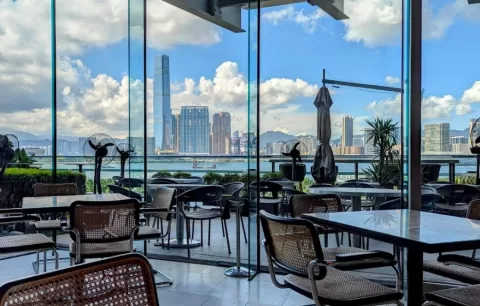
La Rambla by Catalunya: Crafting Barcelona's Soul in Hong Kong - Custom Furniture Excellence
RON Group's custom Spanish-inspired furniture elevates La Rambla with artisanal aesthetics...
Learn More -
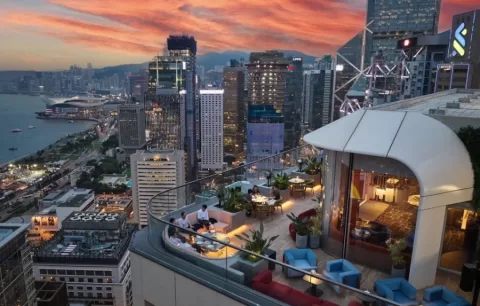
Cardinal Point: Elevating Outdoor Seating with Tailored Cushion Upgrades
Discover how Cardinal Point transformed its outdoor dining experience with custom cushions, achievin
Learn More
RECOMMENDED BLOGS
-
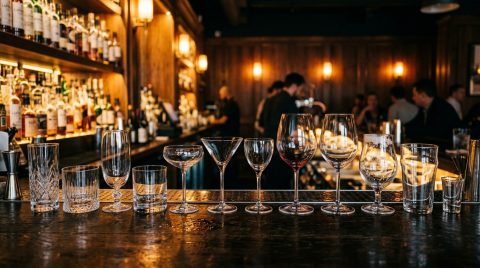
Bar Glassware 101: Types, Names, Uses, and How to Stock Your Bar
Learn the 10 core bar glassware types, names, and uses. Discover how to stock your bar with the right glasses for cocktails, beer,...
Sylvia2026-07-26 -
Complete Bar Equipment List for Opening a Bar
Plan a complete commercial bar equipment list by menu, service volume, refrigeration, ice, glassware, utilities, sanitation,...
Sylvia2026-06-11 -
Low Budget Restaurant Interior Design: 2026 Trends
Prioritize a low-budget restaurant interior by protecting code, operations, durability, accessibility, and phased design decisions...
Sylvia2026-04-04
Subscribe to RON GROUP
Stay up-to-date with the latest industry insights and expert advice. Together, we'll create your ideal restaurant.