
5 Restaurant Interior Design Ideas (Japanese, Mexican, Italian, Industrial, QSR) + Furniture Sourcing Guide
Content
When someone searches restaurant interior design ideas , they're rarely "just browsing." In B2B reality, design inspiration is the starting gun for procurement: owners and developers choose a concept, then immediately need a reliable way to source seating, tables, booths, bar fixtures, and finishing details-on time, within spec, and aligned with local requirements.
This article is built for B2B decision-makers in the supplier selection stage (procurement managers, restaurant owners, developers, designers). The focus is practical: how to translate style into a buyable FF&E list , and how to evaluate restaurant furniture manufacturers / suppliers / wholesalers so you can purchase the look without surprises.
You'll learn "buy-the-look" guidelines for five high-performing concepts:
- Japanese Zen & Japandi (calm, natural materials, negative space)
- Modern Mexican (earthy luxury + vibrant accents)
- Italian elegance (soft curves, rich textures, elevated comfort)
- Modern industrial chic (metal + wood, modular flexibility)
- Fast food / QSR / fast-casual (durability, flow, speed)
Throughout, we'll keep the procurement lens: performance specs, layout realities (including small restaurant interior design ), and a copy-paste RFQ checklist you can send to commercial restaurant furniture manufacturers .
TECHNICAL NOTE // KEY ENGINEERING STANDARD
Commercial Sourcing & Engineering Standard: High-turnover hospitality environments require rigorous commercial-grade compliance (ASTM, NFPA 96, NSF/ANSI, and BIFMA engineering standards). Standard residential-grade items experience rapid fatigue failure, escalating long-term Total Cost of Ownership (TCO).
EXECUTIVE MANDATE // PROCUREMENT COMPLIANCE AUDIT
Procurement Compliance Audit: Verify all factory test certificates, utility load calculations (kW, voltage, phase, and ventilation CFM requirements), and manufacturer warranties prior to final procurement dispatch.
How to "Buy the Look" Like a Procurement Team (Not Like a Mood Board)
A concept becomes profitable only when it is:
- Operational : staff can move; guests can sit comfortably; clear service routes exist.
- Maintainable : finishes tolerate cleaning, spills, abrasion, and repeated use.
- Compliant : accessibility, fire performance, and safety expectations are handled for your market.
- Deliverable : lead times, packaging, and freight consolidation match your opening schedule.
In sourcing terms, your job is to turn "japanese restaurant interior design" or "mexican restaurant interior design ideas" into a clear bill of quantities (BOQ), with technical requirements that a restaurant chair manufacturer / supplier and a restaurant table manufacturer / supplier can quote accurately.
The three procurement decisions that prevent most purchasing mistakes
- Seat count strategy (capacity vs. comfort): choose a seating mix that matches concept and price point.
- Surface strategy (tables/booths/bars): choose materials based on cleaning, staining, and replacement cycles-not only appearance.
- Standard strategy (durability + fire + accessibility): write minimum requirements into the RFQ so every bidder quotes the same baseline.
Style 1: Japanese Zen & Japandi Restaurant Interior Design
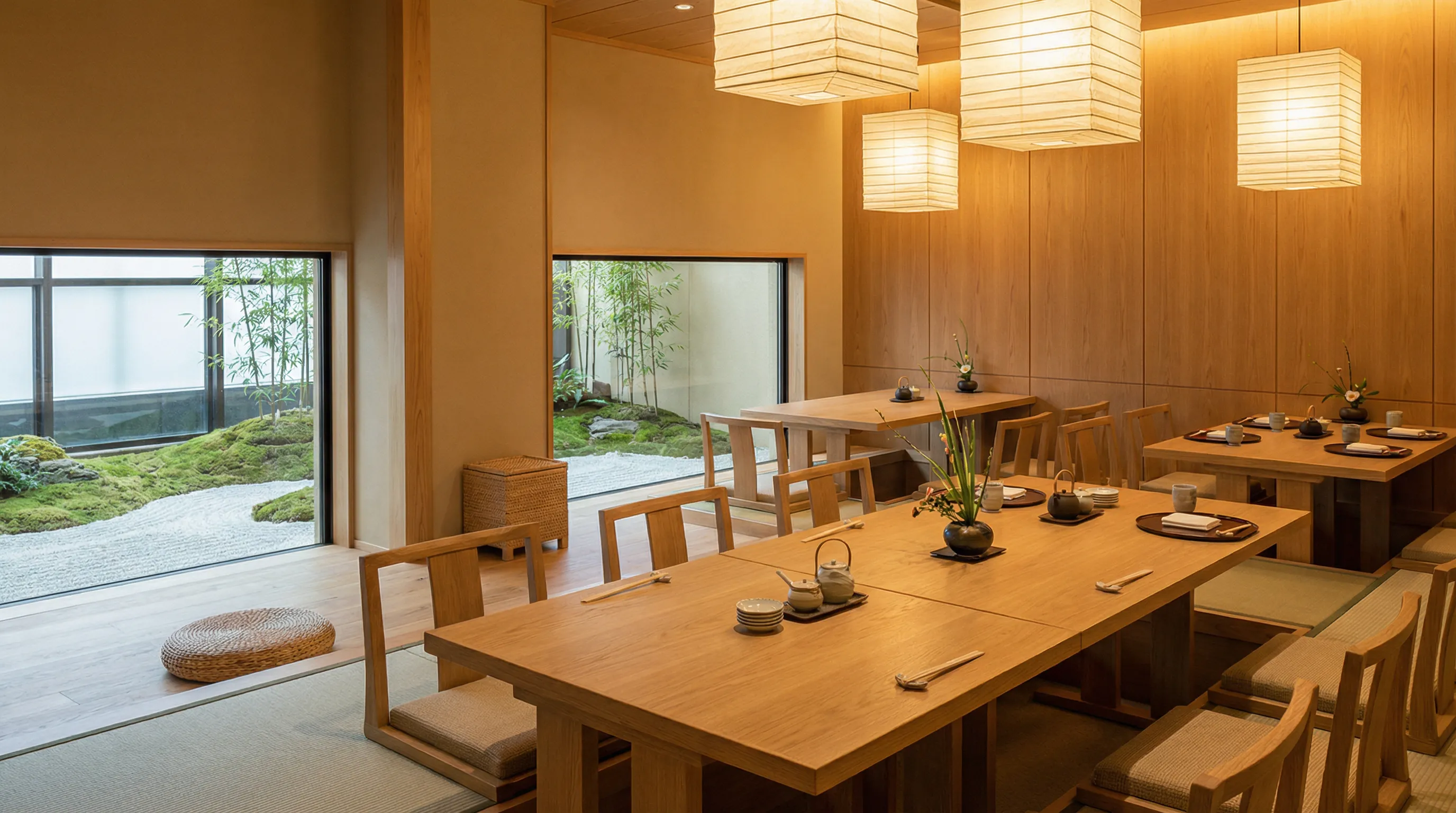
Modern Japanese concepts are moving away from obvious "theme props" toward calm authenticity: clean lines, warm woods, soft light, and intentional empty space. Japandi also performs well in smaller footprints because it feels airy even when capacity is optimized.
Buy-the-look furniture palette
- Dining chairs : solid-wood frames with curved backs and minimal silhouettes. Specify commercial reinforcement (avoid light residential frames).
- Tables : wood veneer or solid wood tops with protected edges; prefer matte or satin finishes that hide fingerprints and micro-scratches.
- Booths/banquettes : neutral upholstery, clean seams, warm textures. For higher turnover, use slightly firmer foam and easy-clean upholstery.
- Partitions : slatted dividers or shoji-inspired screens to create privacy without blocking light-excellent for small restaurant interior design .
Layout tips for small Japanese concepts
- Use banquettes on one side to reduce aisle waste and make the room feel structured.
- Choose practical table depths for multi-dish service; Japanese dining typically needs more tabletop "real estate" than a two-plate menu.
- Prioritize negative space : fewer large dcor items, more texture and material quality. This raises perceived value without clutter.
Where to source this look efficiently
If you want to keep the concept cohesive (wood tone + chair profile + table finish), start by locking your core seating and tabletop specs, then work outward. For a fast way to align style and purchasing, explore Japanese restaurant furniture for a Zen/Japandi look as a reference set-then request stain matching and pre-production samples before mass production.
Style 2: Modern Mexican Restaurant Interior Design
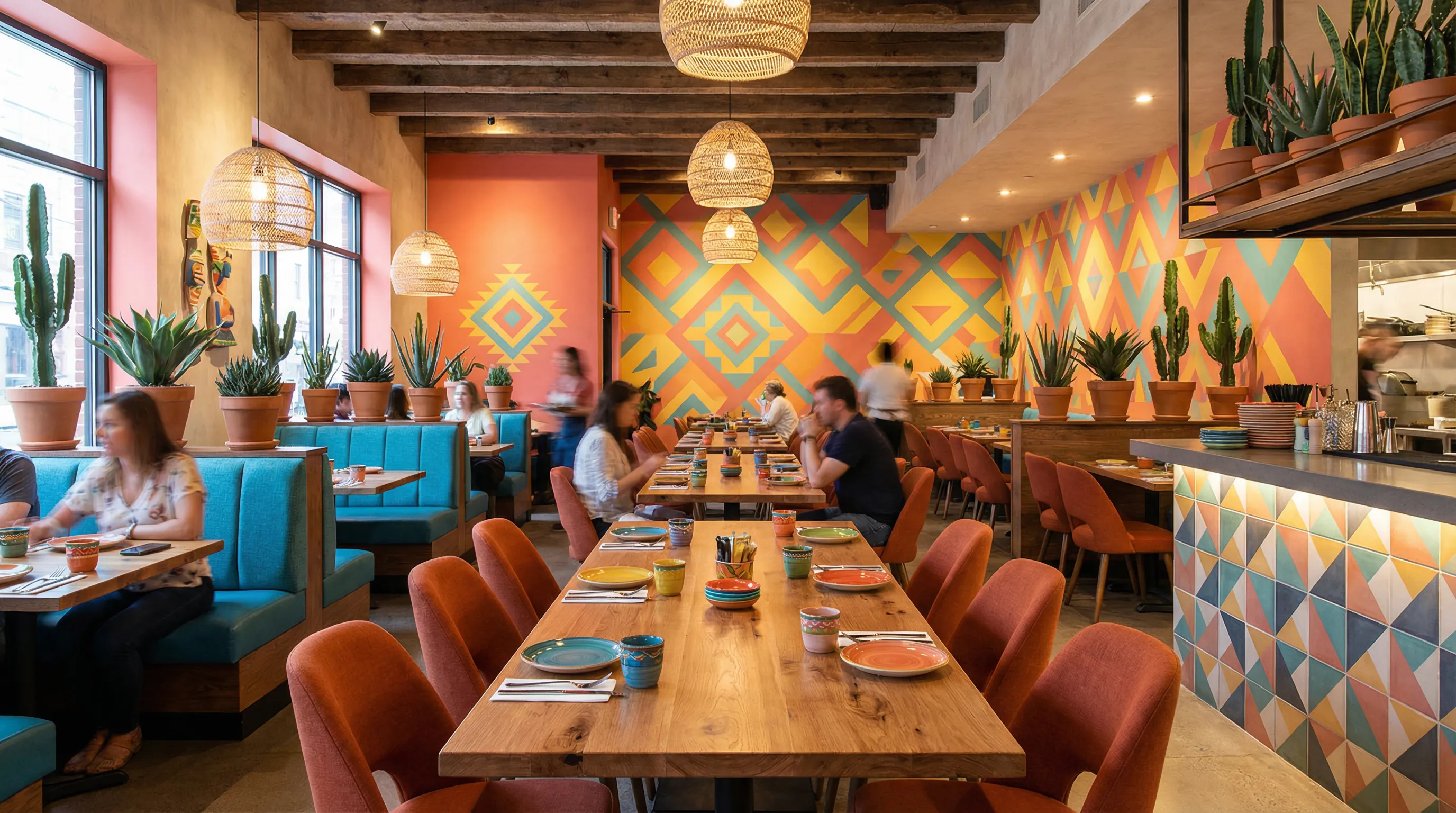
The strongest modern Mexican interiors avoid stereotypes and instead use architectural warmth: plaster-like textures, terracotta tones, handcrafted-looking details, and bold color moments. The room should feel energetic, but your furniture must remain commercial-grade and easy to clean.
Get more 2026 Mexican Restaurant Interior Design Ideas here.
Buy-the-look furniture palette
- Chairs : metal frames + woven textures (rope/rattan look) or distressed wood finishes that hide wear. Specify chip-resistant finishes for metal.
- Tables : rustic wood planks, textured laminates, or tiled looks. If you use tile aesthetics, plan sealing and cleaning protocols so grout doesn't become a maintenance problem.
- Banquettes : a high-impact capacity tool-use bold vinyl colors or patterns to create a "story wall" and reduce layout waste.
- Bar stools : stable frames with footrests; prioritize comfort and durability for repeat ingress/egress.
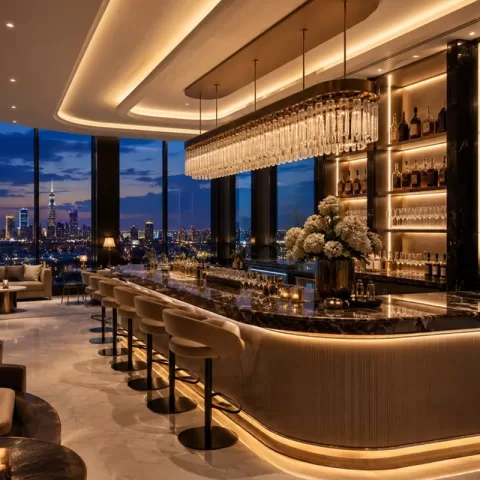
Restaurant bar interior design cues that convert
- One hero backdrop (texture + light): warm wall finish plus a focused feature element (art, niche shelving, or signage).
- Durable bar seating : require load/performance documentation in your RFQ (don't accept "commercial" as a marketing label).
- Cleanability-first surfaces : cocktails + citrus + sauces punish porous finishes.
Where to validate "design-to-delivery" execution
For multi-site operators and developers, a concept is only as strong as its repeatability. If you want a concrete example of how "Latin energy" becomes a delivered fit-out package, review a Latin-inspired restaurant project case in Mexico and use its seat mix and material logic as a procurement starting point.
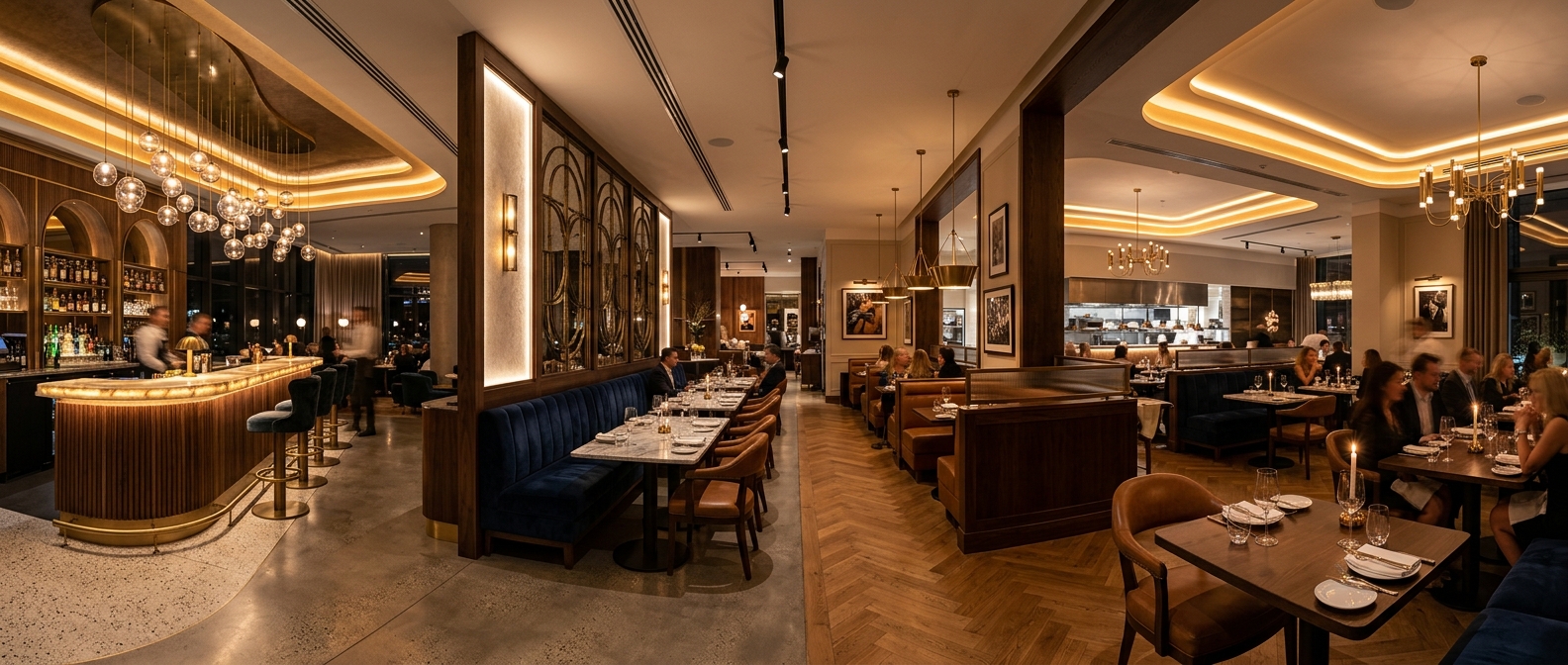
Style 3: Italian Restaurant Interior Design (Trattoria to Fine Dining)
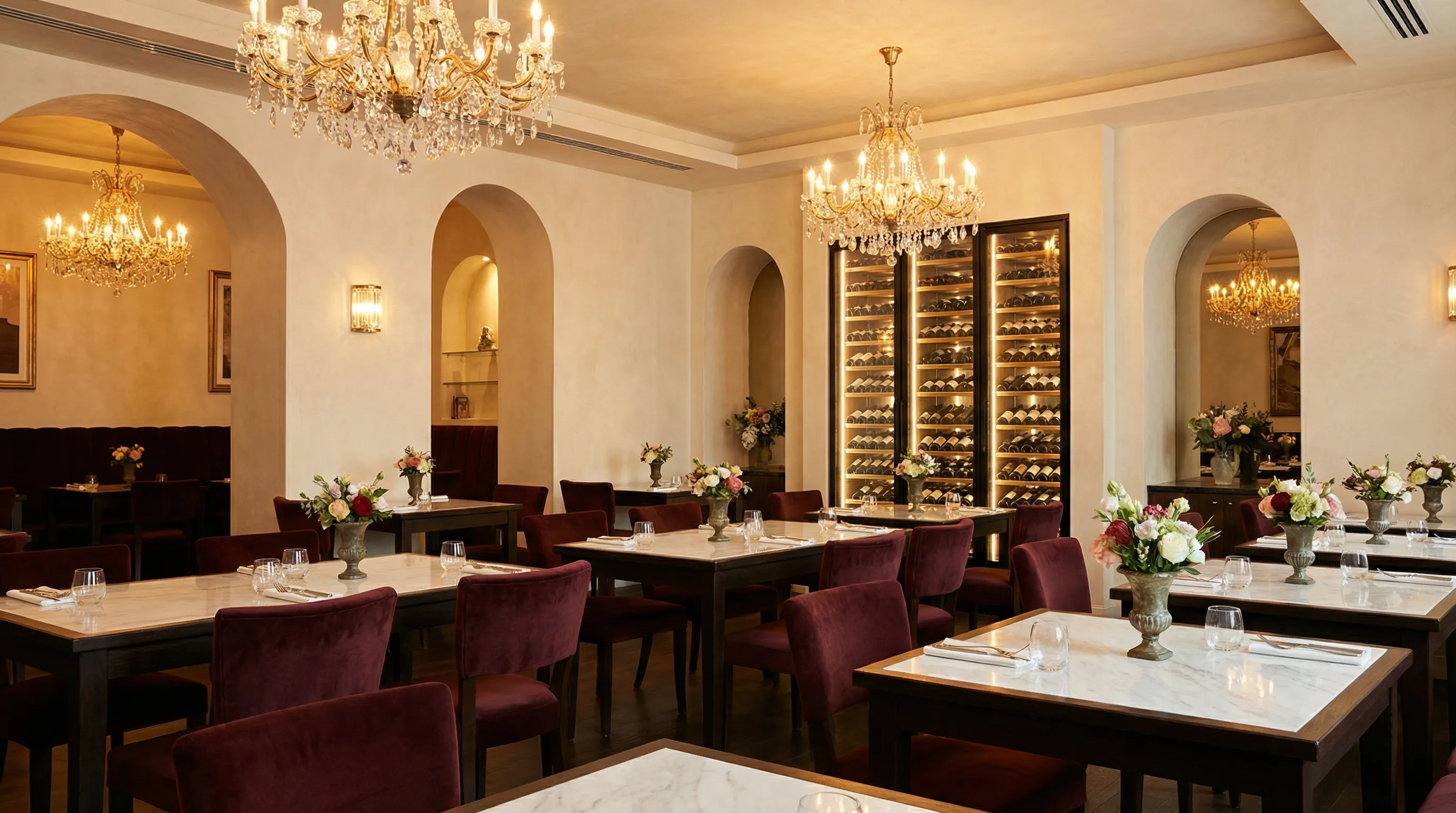
Italian concepts win when they feel comfortable, not sterile. Current executions lean into soft curves, layered lighting, and rich textures-so guests stay longer and spend more. The procurement challenge is achieving "luxury cues" while controlling maintenance and replacement costs.
Buy-the-look furniture palette
- Chairs : upholstered or semi-upholstered silhouettes with curved backs. Specify easy-clean upholstery for busy service.
- Booths : higher backs create intimacy and improve acoustic comfort in narrow rooms.
- Tables : marble-look aesthetics are popular; in high-traffic venues, many buyers value-engineer with engineered surfaces to reduce staining and sealing burden.
- Lighting : layered pendants + wall sconces + table lamps; warm tones support both atmosphere and food presentation.
Three Italian-specific procurement pitfalls (and fixes)
- Over-polished finishes show scratches and fingerprints. Prefer satin/matte where possible.
- Heavy tops + weak bases cause wobble and tipping risk. Specify base weight, footprint, and leveling feet.
- Beautiful fabric that fails fast . Require abrasion info and cleaning guidance in the RFQ.
Proof point for "Italian warmth" + commercial durability
If you want a benchmark for translating Italian warmth into robust project furniture, see a modern Italian street dining case study in Australia . Use it to sanity-check your seating comfort targets, tabletop selection, and lighting mood-then write those requirements into your sourcing documents.
Style 4: Modern Industrial Chic Restaurant Interior Decoration
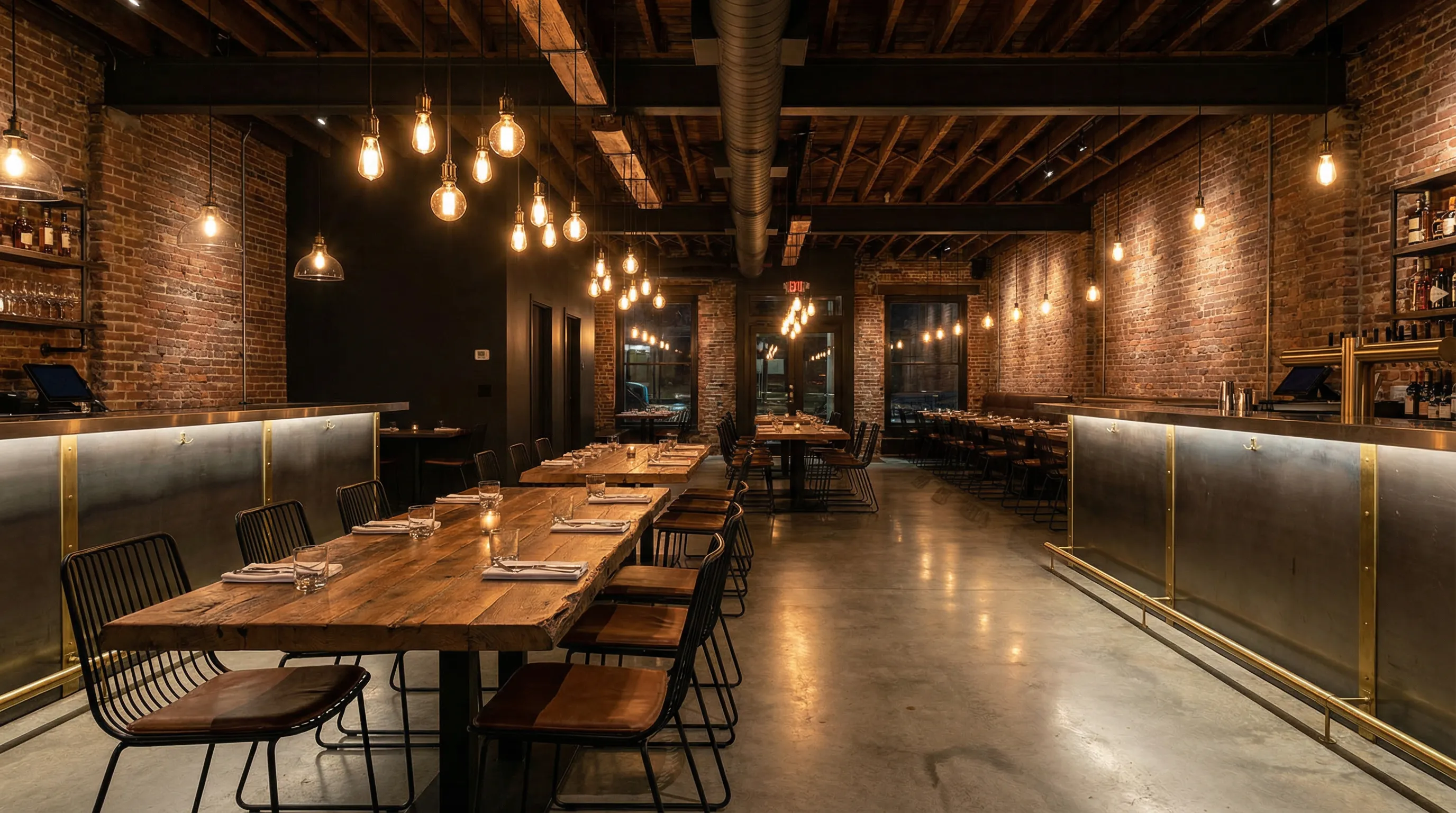
Industrial concepts stay popular because they're flexible, scalable, and often cost-effective-when executed correctly. The 2025+ evolution is "soft industrial": metal and concrete cues balanced with wood, plants, and warmer lighting so the space feels intentional, not unfinished.
Buy-the-look furniture palette
- Tables : wood tops with metal bases (A-frame, pipe-style, or boxed steel profiles). Specify edge protection and finish durability.
- Seating : metal chairs with comfortable pads or wood seats; prioritize stackability for events.
- Communal tables : strong for small footprints and peak-hour throughput; one large table can reduce aisle gaps vs. multiple 2-tops.
Industrial procurement notes that matter in real life
- Weld quality and frame thickness determine longevity-put minimum construction requirements into the RFQ.
- Glide/foot specification protects flooring and reduces maintenance cost.
- Modularity enables additional revenue: events, tastings, private bookings.
Where to see industrial execution as a delivered project
Industrial looks easy until you have to deliver it at scale without quality drift. If you want a clear "materials + geometry + durability" example, review an industrial bar design case with custom tables and steel bases -then mirror its spec discipline (top thickness, base stability, and finish durability) in your vendor RFQ.
Style 5: Fast Food / QSR / Fast-Casual Restaurant Interior Design
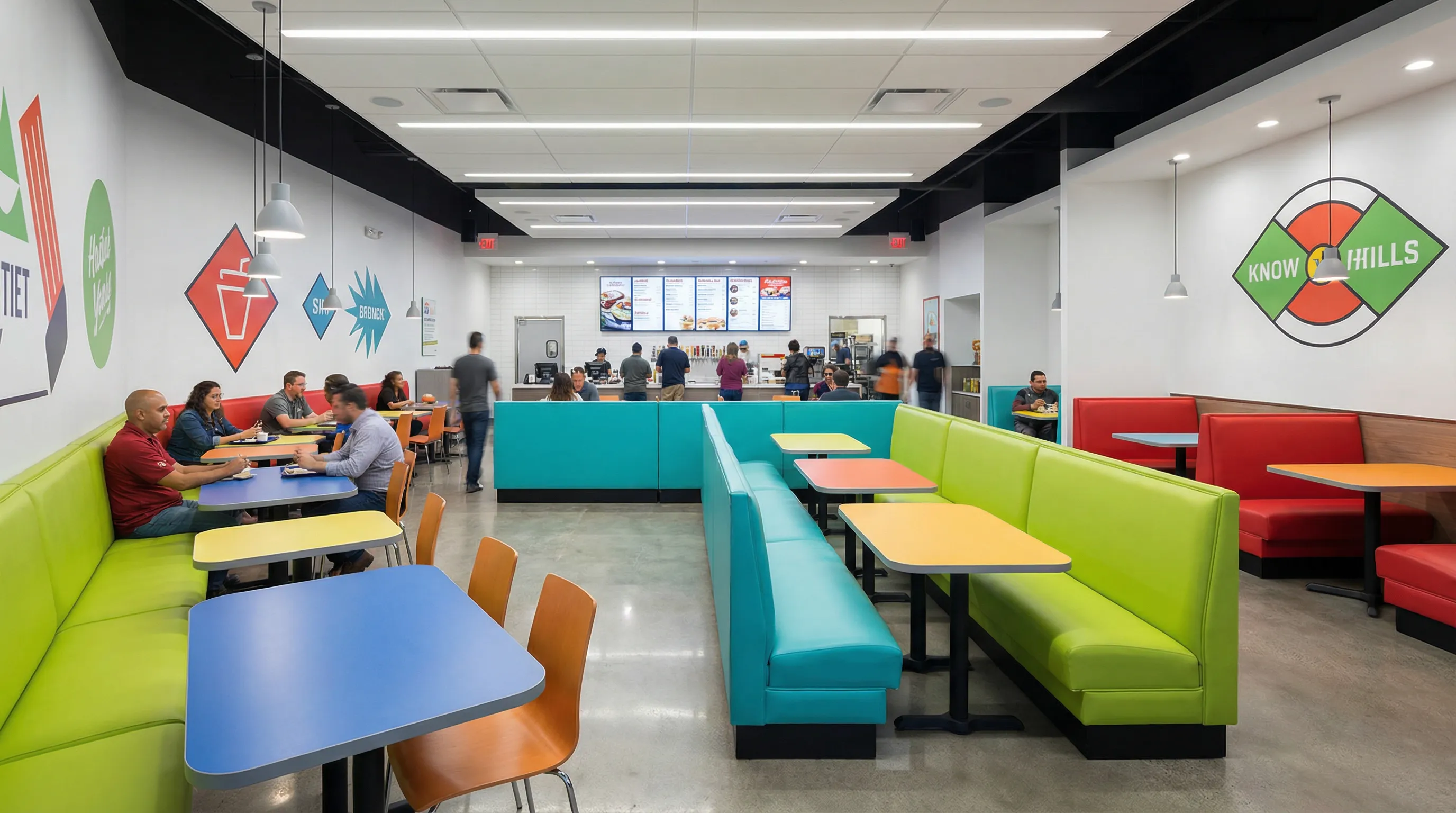
QSR design is an efficiency system: speed, durability, safety, and brand clarity. The modern shift is toward warmer "fast-casual" cues-wood tones, better lighting, cleaner lines-while maintaining robust materials that survive high turnover.
Buy-the-look furniture palette
- Tables : high-durability tops (HPL/compact-laminate style) designed for repeated cleaning and constant movement.
- Seating : easy-clean shells or simple upholstered pads; keep upholstery limited if throughput is extreme.
- Fixed booths / anchored layouts : reduce chaos, protect aisles, preserve optimized circulation routes.
- Counter seating : space-efficient and ideal for solo diners-excellent for small restaurant interior design in high-rent areas.
Where to start if you need "fast-casual" furniture specs quickly
For QSR procurement, clarity beats creativity: write cleaning tolerance, edge durability, and replacement strategy into the RFQ. If you want a product reference set to align chair/table categories and performance expectations, start with fast food & quick-service restaurant furniture options and build your BOQ from there.
Supplier Selection: Factory-Direct vs. Trader vs. Local Distributor (What Changes for You)
When sourcing at scale, the question is not only "who has the style," but "who controls quality and lead time." Many buyers split procurement into two lanes: (1) project packages from restaurant furniture manufacturers or integrated suppliers, and (2) urgent replacements from a local restaurant furniture supply store . Use the table below to decide which approach fits your risk tolerance and timeline.
| Option | Best For | Pros | Risks / What to Control | Procurement Tips |
|---|---|---|---|---|
| Factory-direct (manufacturer) | Projects, chains, multi-site rollouts, customization | Better control over materials, customization, and consistency; scalable production | Requires clear specs, sampling, QC checkpoints, export packaging discipline | Use a detailed BOQ + finish schedule; require pre-production samples and an inspection plan |
| Trading company / sourcing agent | Mixed categories (furniture + lighting + tableware), fast vendor aggregation | Convenient coordination; may consolidate multiple factories | Inconsistent QC unless managed; unclear accountability for defects | Ask "who owns warranty" and "who signs off QC"; request factory list and audit evidence |
| Local distributor / restaurant furniture supply store | Small orders, urgent replacements, local warranty convenience | Fast delivery, easy returns, local compliance familiarity | Limited customization; higher unit cost; narrower style range | Use for top-up orders and emergencies-not as your primary project package |
For budget-sensitive rollouts, the right strategy is often a hybrid: a project package via wholesale restaurant furniture sourcing for the opening, plus a local channel for replacements. This is how many operators achieve affordable restaurant furniture wholesale without sacrificing schedule control.
Commercial Standards You Should Reference in Every RFQ (Durability, Fire, Accessibility)
Even if you're not "selling design services," compliance and performance requirements are part of fit-out reality. The goal is not to overwhelm your RFQ with legal language-it's to ensure every bidder quotes the same baseline.
1) Durability & safety performance (chairs/tables)
For commercial seating performance expectations, many buyers reference BIFMA frameworks. Start with an industry overview such as the ANSI/BIFMA standards overview , then specify what documentation you expect (test report, declaration, or third-party verification depending on your policy).
2) Fire performance for upholstered furniture (example: California TB117-2013)
If you supply into markets where smolder resistance is required or commonly requested, align upholstery and foam specs early. California's bulletin is widely referenced in North America; you can point suppliers to the California TB117-2013 official PDF to define the test scope for upholstered components.
3) Accessibility & layout compliance (example: ADA in the U.S.)
For U.S. projects, your floor plan must support accessible routes and seating. Use the official 2010 ADA Standards for Accessible Design when coordinating aisle widths, turning clearances, and accessible table locations-especially when you optimize capacity in smaller footprints.
4) Upholstery abrasion guidance (double rubs / Wyzenbeek)
Instead of arguing over "good fabric," require abrasion information and cleaning guidance. The ACT community provides practical context on abrasion testing; use resources such as the ACT guidance on Wyzenbeek abrasion results to align expectations and avoid treating very high double-rub numbers as a guaranteed lifespan.
Space Planning for Small Restaurant Interior Design (Capacity Without Chaos)
Small restaurants often think the answer is "more seats." The better answer is "better circulation." Capacity matters only if the room still feels comfortable and service remains efficient.
High-impact tactics for tight footprints
- Use banquettes strategically : one-side banquette + one-side chairs often increases capacity while keeping aisles clearer.
- Standardize table sizes : fewer SKUs simplify replacements and improve layout flexibility.
- Plan for pickup/queuing (fast-casual/QSR): define a pickup zone so delivery drivers don't block service routes.
- Design for acoustic comfort : soft materials (upholstery, wood textures) reduce noise fatigue and improve dwell time.
When in doubt, anchor the plan to your local code requirements and accessibility references (for U.S. projects, the ADA standard linked above is the correct starting point). Then optimize your seating mix inside those constraints.
RFQ Checklist (Copy-Paste Friendly)
Use the checklist below to request comparable quotes from restaurant chair manufacturers / suppliers , restaurant table manufacturers / suppliers , and full-package restaurant furniture wholesalers . The objective is clarity: fewer assumptions, fewer change orders, fewer delays.
- Project summary: concept/style (Japanese / Mexican / Italian / Industrial / QSR), city/country, target opening date
- Floor plan files: CAD/PDF, ceiling height, fixed columns/walls, door widths, service routes
- BOQ (bill of quantities): chair qty, stool qty, table qty by size, booth/banquette linear meters, bar elements, partitions
- Finish schedule: wood tone/stain, metal color, tabletop material, upholstery colors + textures, gloss level (matte/satin)
- Performance requirements: durability expectations (BIFMA-aligned where applicable), abrasion info for upholstery, edge protection for tables
- Fire requirements: specify your market requirement; if relevant, reference TB117-2013 for upholstered components
- Accessibility/layout constraints: confirm aisle and accessible seating needs; for U.S. projects reference 2010 ADA Standards
- Sampling request: tabletop sample, upholstery swatches, wood stain sample, metal finish sample (include approval timeline)
- Customization needs: logo, branded colors, custom sizes, power/USB integration (if needed)
- Quality plan: inspection checkpoints (pre-production sample, in-line inspection, final inspection), defect tolerance
- Packaging: export packaging requirements, spare parts packing, assembly hardware labeling
- Incoterms & delivery: EXW/FOB/CIF/DDP expectation, destination port/city, required delivery window
- Installation scope: delivery only vs. on-site installation support; site access constraints
- Warranty & spares: warranty period, recommended spares (glides, seat pads, replacement chairs)
Tip: If your goal is fewer vendors and cleaner coordination, request an integrated package quote (furniture + lighting + tableware) so freight and lead times can be managed as one project shipment.
Common Mistakes in Restaurant Furniture Sourcing (And How to Avoid Them)
Mistake 1: Buying "design look" furniture that is not commercial grade
Fix: Require durability expectations and construction details in the RFQ. If you need a reference baseline, point suppliers to an overview like ANSI/BIFMA standards and request relevant documentation.
Mistake 2: Choosing tabletops by appearance instead of maintenance
Fix: Decide upfront what matters most: stain resistance, scratch tolerance, repairability, or "luxury cue." Then write the surface requirements into the spec so commercial restaurant furniture manufacturers quote the right construction.
Mistake 3: Ignoring fire performance until the last minute
Fix: If upholstery is involved, specify fire performance expectations early. For California or similar smolder-resistance requirements, use the TB117-2013 official document as the reference point.
Mistake 4: Over-optimizing capacity and creating service bottlenecks
Fix: Anchor your plan on accessibility and circulation. For U.S. projects, coordinate against the ADA design standards , then optimize seating mix inside compliant routes.
Mistake 5: Treating "double rubs" as a guaranteed lifespan
Fix: Use abrasion testing as one data point, not a promise. Reference ACT guidance (for example, ACT Wyzenbeek abrasion notes ) and pair it with cleaning protocols and real-use expectations (QSR vs. fine dining require different specs).
Sustainability & Wood Sourcing (When Stakeholders Ask for Proof)
Many hospitality groups now require basic sourcing transparency for wood-based products. If you sell into regions with stricter due-diligence expectations, align documentation early-especially when buying at scale from overseas restaurant furniture manufacturers .
- FSC chain-of-custody is a common documentation pathway for wood-based materials; see FSC chain-of-custody certification overview .
- If your supply chain touches EU requirements, start with the European Commission's official EUDR overview and align documentation with your compliance team.
Ready to Source the Look? A Practical Next Step
If you're selecting vendors now, the fastest path to accurate pricing is a complete RFQ package: floor plan + BOQ + finish schedule + performance/compliance expectations. Then you can compare apples-to-apples quotes from wholesale restaurant furniture suppliers and commercial restaurant furniture manufacturers .
To keep your design concept consistent while avoiding link clutter, use these five style-specific procurement entry points as your internal navigation:
- Japanese: Japanese restaurant furniture for a Zen/Japandi look
- Modern Mexican: a Latin-inspired restaurant project case in Mexico
- Italian: a modern Italian street dining case study in Australia
- Industrial: an industrial bar design case with custom tables and steel bases
- QSR: fast food & quick-service restaurant furniture options
- Chinese: Chinese resturant interior design 2026
Like one of these styles? Share your target seating count, a rough floor plan, and a few reference images-then request a matched furniture set with samples for approval. That's the most reliable way to "buy the look" and protect schedule, quality, and total cost of ownership.
Get the week's latest industry information
-
Real-Life Professional Restaurant Case Studies
Explore Now
-
Create a unique restaurant with over 95,700+products
Explore Now
-
Protessional Free 3D Restaurant Design
Explore Now
-
Still Have Questions About Opening a Restaurant?
Explore Now

Sylvia
With 8 years in catering & hospitality industry, sales manager of Ron Group, specialise in providing one stop solutions to restaurants, hotels and weddings.
Discover Our Exclusive Products
Explore our extensive range of restaurant and hotel supplies designed to enhance your operations. Find the perfect solutions to meet your needs.
Browse Our ProductsFREE 3D DESIGN
Boost your restaurant's success with our free 3D design service. Start building the restaurant of your dreams today!
Explore 3D Design Case
RECOMMENDED CASES
-
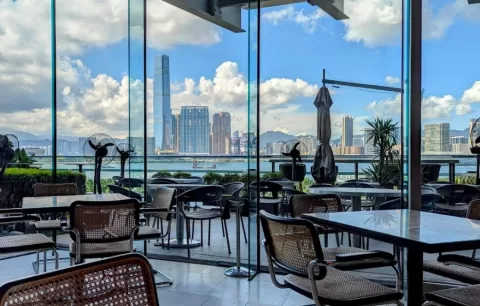
La Rambla by Catalunya: Crafting Barcelona's Soul in Hong Kong - Custom Furniture Excellence
RON Group's custom Spanish-inspired furniture elevates La Rambla with artisanal aesthetics...
Learn More -

Cardinal Point: Elevating Outdoor Seating with Tailored Cushion Upgrades
Discover how Cardinal Point transformed its outdoor dining experience with custom cushions, achievin
Learn More
RECOMMENDED BLOGS
-

Bar Glassware 101: Types, Names, Uses, and How to Stock Your Bar
Learn the 10 core bar glassware types, names, and uses. Discover how to stock your bar with the right glasses for cocktails, beer,...
Sylvia2026-07-26 -

Complete Bar Equipment List for Opening a Bar
Plan a complete commercial bar equipment list by menu, service volume, refrigeration, ice, glassware, utilities, sanitation,...
Sylvia2026-06-11 -
Low Budget Restaurant Interior Design: 2026 Trends
Prioritize a low-budget restaurant interior by protecting code, operations, durability, accessibility, and phased design decisions...
Sylvia2026-04-04
Subscribe to RON GROUP
Stay up-to-date with the latest industry insights and expert advice. Together, we'll create your ideal restaurant.