








Content
1. The Framework of Function-Led Value Engineering
Executing a low-budget restaurant interior design project requires a rigorous, evidence-based approach to capital allocation. When financial resources are constrained, procurement managers, facilities leads, and hospitality operators must prioritize structural integrity, operational efficiency, and applicable safety and accessibility requirements over superficial aesthetic modifications. The primary mechanism for achieving this discipline is the strict application of value engineering principles throughout the project lifecycle.
According to the Whole Building Design Guide (WBDG) published by the National Institute of Building Sciences (NIBS), value engineering is function-led, not indiscriminate cost cutting. It is a systematic, organized approach to providing the necessary functions in a project at the lowest lifecycle cost. In the context of a restaurant renovation, this means that every proposed design change, material specification, and furniture selection must be evaluated against its ability to support the core functions of the hospitality environment: safe food service, accessible circulation, and durable performance under heavy commercial use.
Furthermore, the WBDG emphasizes the critical need to align scope, quality expectations and budget through the project life cycle. This alignment cannot occur retroactively; it must be established during the initial planning phase before any demolition or procurement begins. Operators must document their functional requirements, establish a baseline budget based on verifiable material and labor inputs, and continuously test proposed design solutions against these parameters. Evaluating top hospitality industry trends is only useful when those trends are subjected to this rigorous functional analysis. If a trend compromises operational flow or requires maintenance protocols that exceed the facility's capacity, it must be engineered out of the project scope.
1.1 Establishing the Project Baseline
Before initiating any procurement activities, the project team must establish a comprehensive baseline. This baseline serves as the control against which all value-engineering decisions are measured. The required inputs for establishing this baseline include:
As-Built Drawings: Accurate, verified architectural and engineering drawings of the existing space, detailing structural load-bearing elements, plumbing rough-ins, electrical panels, and HVAC distribution.
MEP Schedules: Detailed inventories of existing Mechanical, Electrical, and Plumbing equipment, including capacity ratings, age, and maintenance history.
Code and Authority Review: Documented review of applicable building, fire-safety, accessibility, and health-authority requirements, including unresolved items.
Operational Flow Diagrams: Mapped routes of staff movement (kitchen to dining room, dish pit to service stations) and guest circulation (entry to host stand, dining area to restrooms).
Only when these inputs are fully documented can the project team begin to identify areas where design interventions will yield functional improvements. Value engineering in a low-budget scenario often involves preserving existing infrastructure and redirecting capital toward high-wear surfaces and critical operational touchpoints.
2. Protecting the Core: Accessibility and Circulation
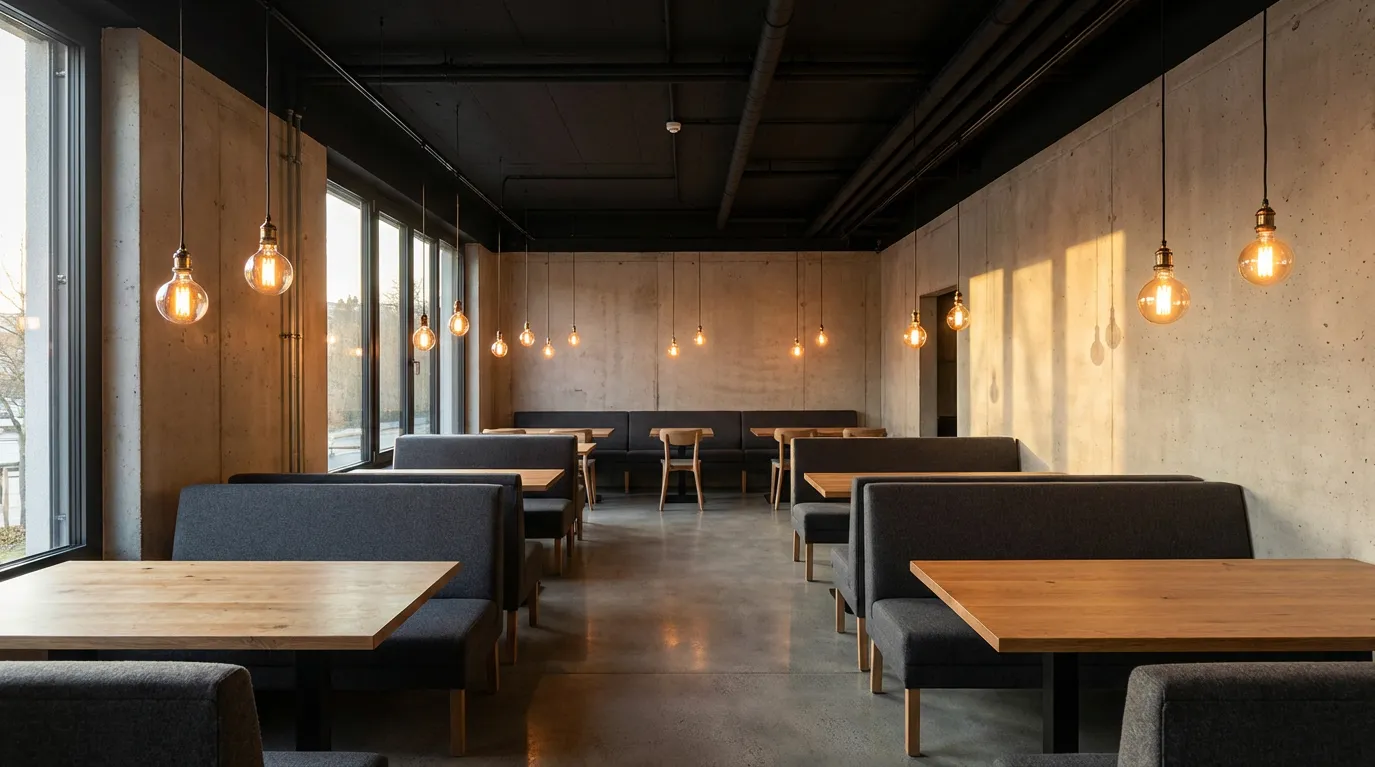
A fundamental priority in any restaurant renovation, regardless of budget, is the protection and enhancement of accessible circulation. Design modifications that compromise accessibility expose the operator to significant legal and operational risks. Procurement and design decisions must be strictly governed by established accessibility standards.
2.1 Accessible Routes in Dining Areas
The U.S. Access Board provides definitive guidelines for maintaining accessibility in commercial facilities. Specifically, project teams must protect accessible circulation and dining-area routes during changes. When reconfiguring floor plans, adding partitions, or specifying new furniture layouts, the following parameters must be verified:
Clear Width: Accessible routes must maintain a continuous clear width that meets or exceeds the minimum dimensions specified by adopted codes. This width must be measured between the most protruding objects, including chair backs when occupied, table bases, and decorative elements.
Passing Spaces: If an accessible route is exceptionally long and narrow, designated passing spaces must be integrated into the layout to allow wheelchair users to navigate safely.
Maneuvering Clearances: Adequate clear floor space must be provided at all doors, doorways, and gates along the accessible route. The required clearance depends on the approach direction and the door's swing.
Protruding Objects: Wall-mounted fixtures, decorative sconces, and overhead signage must not protrude into the circulation path in a manner that creates a hazard for individuals with vision impairments. The leading edges of these objects must fall within specific height parameters to be detectable by a cane.
During the value-engineering process, proposed layouts must be subjected to rigorous acceptance tests. Designers should overlay accessibility clearance templates onto the proposed floor plans to check routes against applicable requirements. If a proposed seating configuration encroaches on the required clear width, the layout must be adjusted, or alternative, smaller-scale furniture must be specified.
2.2 Floor and Ground Surfaces
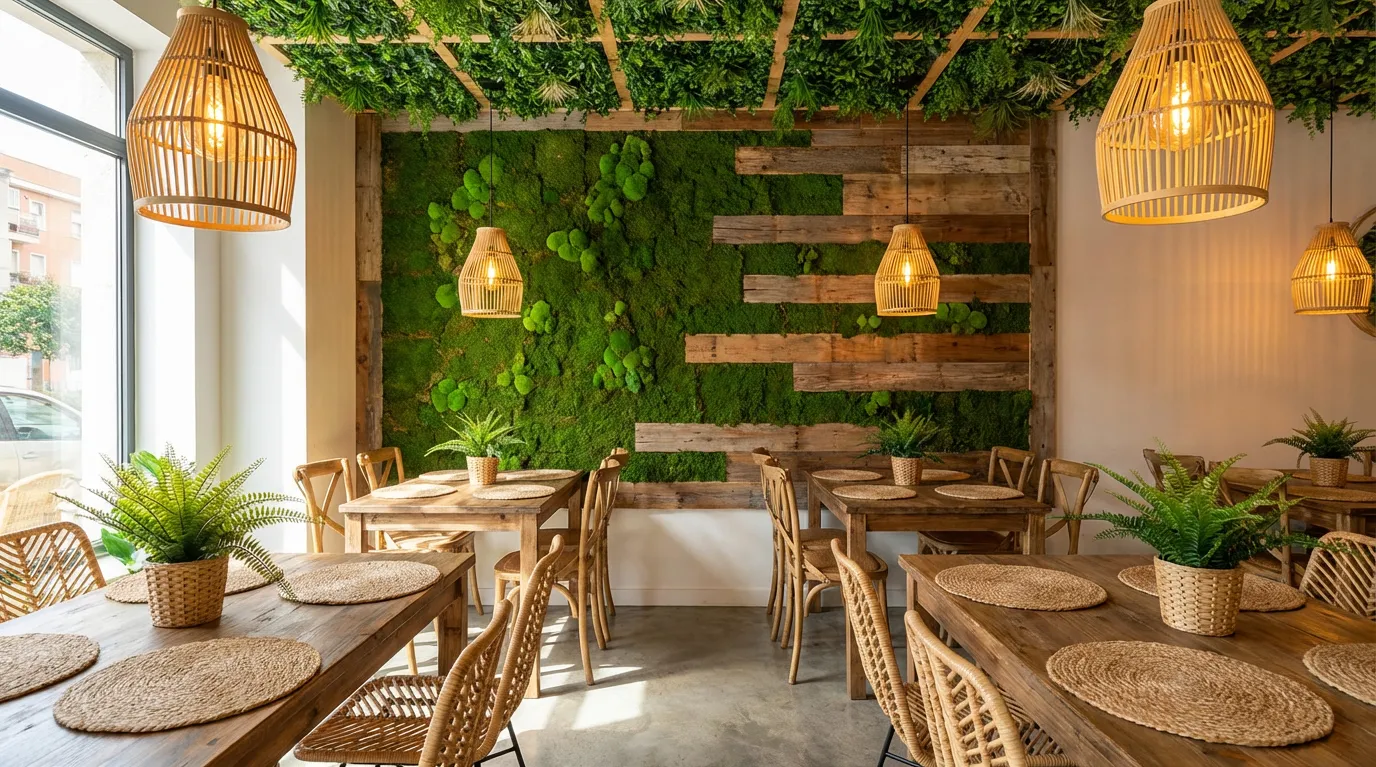
The selection of flooring materials is a critical component of both accessibility and operational safety. The U.S. Access Board mandates that floor and ground surfaces must be firm, stable, slip-resistant surfaces and controlled changes in level. When evaluating budget-friendly flooring options, procurement managers must demand technical documentation that verifies these performance characteristics.
Firmness and Stability: The flooring material must resist deformation under applied loads, including the concentrated point loads of mobility devices and commercial equipment. Soft, heavily padded carpets or loosely installed modular tiles that shift underfoot are unacceptable in accessible routes.
Slip Resistance: While the Access Board does not specify a single required coefficient of friction, the specified material must provide adequate slip resistance under the anticipated environmental conditions (e.g., dry dining areas vs. potentially wet transition zones near kitchens or entrances). Procurement teams must request dynamic coefficient of friction (DCOF) testing data from manufacturers.
Changes in Level: Transitions between different flooring materials (e.g., from hard tile to carpet) must be carefully managed. Vertical changes in level must not exceed specified maximums without appropriate beveling or the ramp treatment required by the applicable standard. Budget renovations often involve installing new flooring over existing substrates; the resulting elevation changes at thresholds and transition strips must be engineered to maintain accessibility.
3. Environmental Controls During Phased Renovations
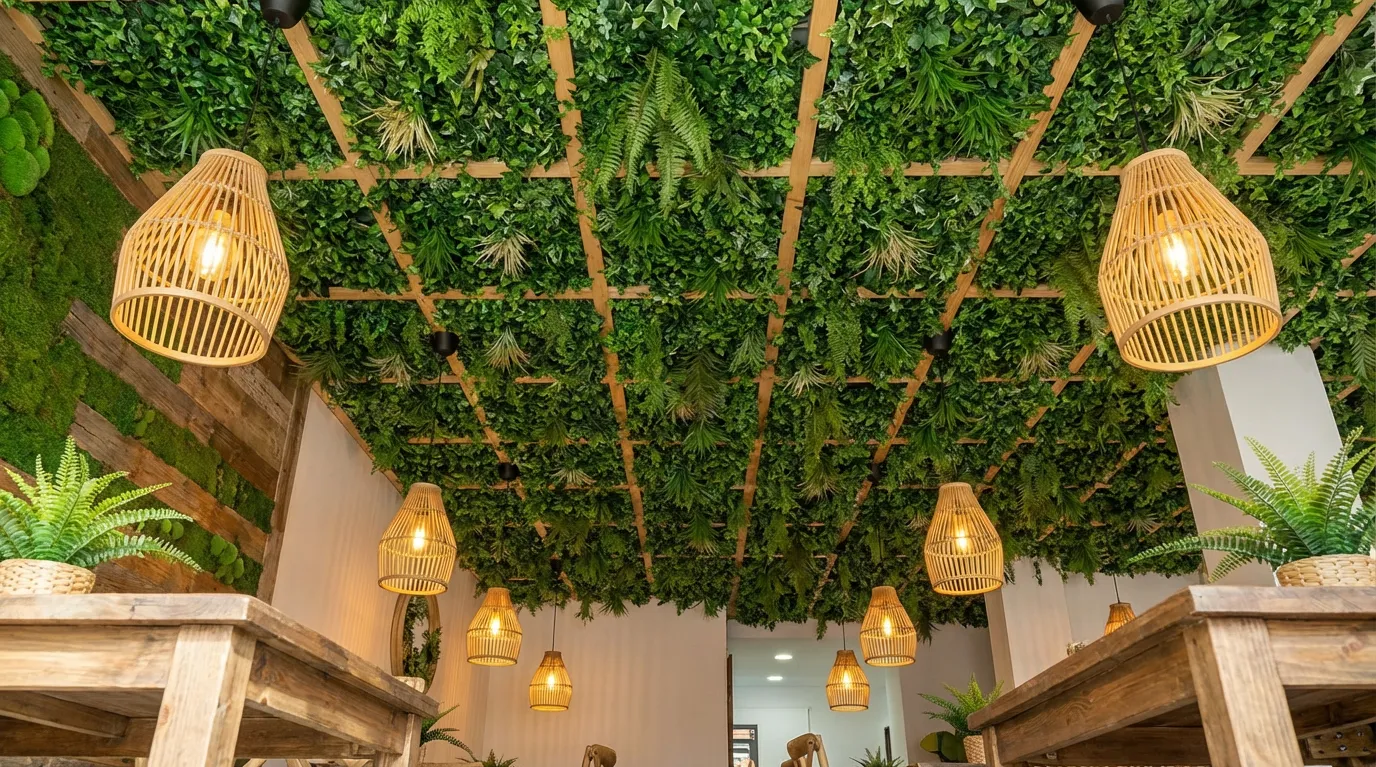
Low-budget restaurant renovations are frequently executed in phases while the facility remains partially operational or during brief closure windows. This phased approach introduces significant risks related to indoor air quality (IAQ) and environmental contamination. Protecting staff, guests, and food preparation areas from construction-related pollutants is a non-negotiable operational priority.
The U.S. Environmental Protection Agency (EPA) provides comprehensive guidance on how to control pollutant sources and ventilation during remodeling. Project managers must integrate these environmental control strategies into the construction schedule and contractor agreements.
3.1 Source Control and Containment
The most effective method for managing IAQ during a renovation is to prevent pollutants from entering the occupied spaces. This requires strict source control and physical containment protocols:
Physical Barriers: Construction zones must be isolated from operational areas using impermeable barriers (e.g., heavy-duty polyethylene sheeting). These barriers must be sealed at the floor, ceiling, and perimeter walls to prevent the migration of dust, debris, and volatile organic compounds (VOCs).
Negative Pressure: Have the contractor and indoor-air-quality professional document how dust and emissions will be kept out of occupied areas. Select any pressure-control, exhaust, or filtration method for the actual site conditions and project requirements.
HVAC Isolation: The facility's heating, ventilation, and air conditioning (HVAC) system must be protected from construction dust. Return air grilles within the construction zone must be sealed, and the system should be configured to prevent the recirculation of contaminated air into occupied areas. Failure to isolate the HVAC system can result in the widespread distribution of pollutants and necessitate costly duct cleaning procedures.
3.2 Ventilation and Off-Gassing Management

Many materials used in interior design, including paints, adhesives, sealants, and composite wood products, emit VOCs during and after installation. Managing this off-gassing process is critical for maintaining a safe indoor environment.
Material Selection: Procurement teams must prioritize materials with documented low-VOC emissions. Manufacturers should be required to provide Safety Data Sheets (SDS) and independent testing reports verifying the emission profiles of their products.
Scheduling High-Emission Activities: Activities that generate significant VOCs, such as applying floor adhesives or spray painting, must be scheduled during periods when the facility is unoccupied. Adequate curing time must be allocated before the space is reopened to staff or guests.
Supplemental Ventilation: During and immediately following high-emission activities, supplemental ventilation must be utilized to exhaust contaminated air directly to the exterior. The facility's standard HVAC system may not have the capacity to handle the increased pollutant load generated during construction.
Flush-Out Procedures: Prior to occupancy, the project professional should define any ventilation or flush-out period appropriate to the installed materials, site conditions, and occupancy plan.
4. Evaluating Material Performance Data
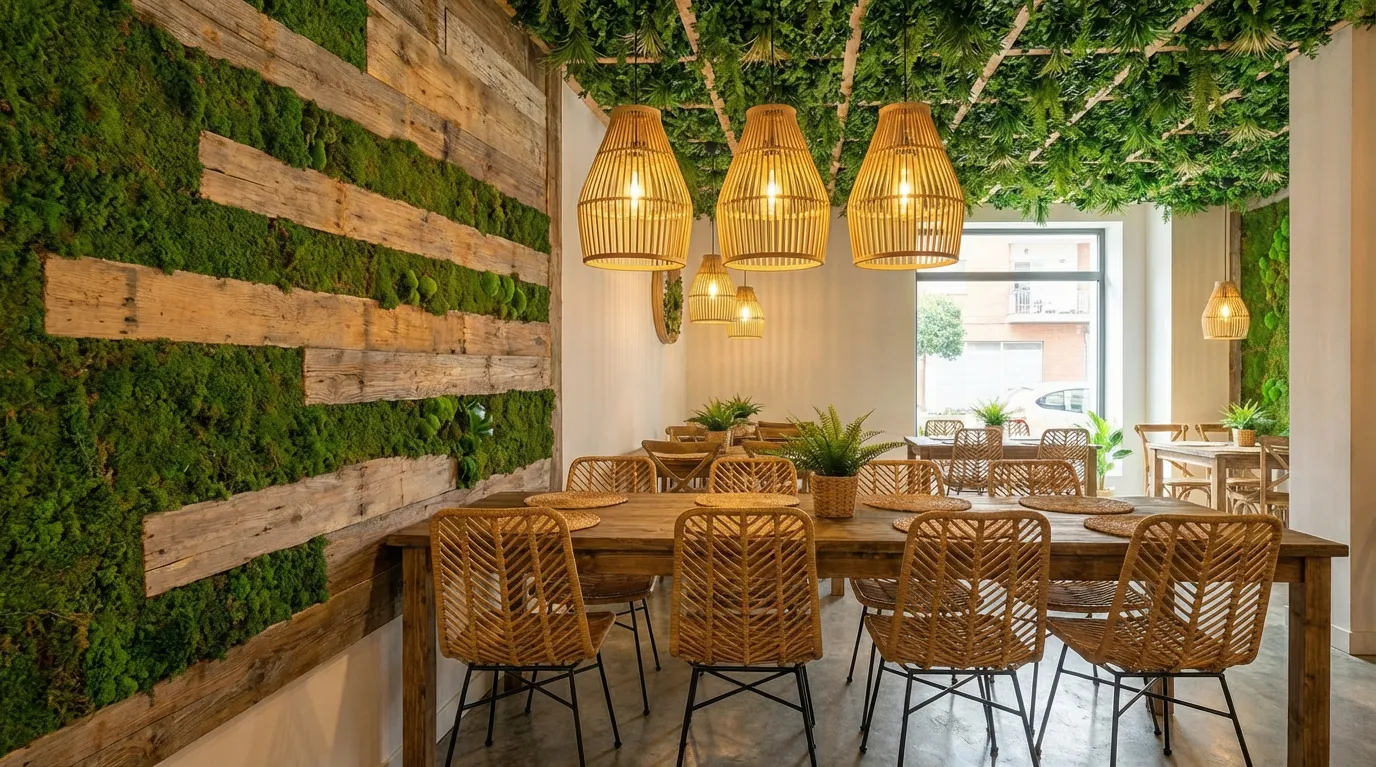
In a value-engineered project, the selection of finishes and materials cannot be based solely on aesthetic preference or initial purchase price. Procurement decisions must be driven by verifiable technical data that demonstrates the material's capacity to withstand the specific demands of a commercial hospitality environment. Relying on marketing claims or generic product descriptions introduces unacceptable risk into the project.
4.1 Utilizing Manufacturer Data Fields
To conduct a rigorous evaluation, procurement managers must request comprehensive technical documentation from manufacturers. The structure of this documentation is critical. For example, the installation and maintenance data fields provided by manufacturers like Armstrong Flooring serve as an excellent template for the types of information that must be gathered and analyzed for any flooring specification. (Note: This reference is to the structure of the data fields, not a recommendation for specific products).
When evaluating flooring or other architectural finishes, the following data fields must be populated and verified:
| Data Field Category | Specific Evaluation Metrics | Operational Implications |
|---|---|---|
| Physical Performance | Static Load Limit (psi), Dynamic Rolling Load capacity, Impact Resistance, Dimensional Stability. | Determines if the material will dent under heavy equipment, separate at the seams, or crack under impact from dropped items. |
| Surface Characteristics | Dynamic Coefficient of Friction (DCOF), Light Reflectance Value (LRV), Chemical Resistance (staining/degradation). | Impacts slip-and-fall liability, lighting design efficiency, and the material's ability to withstand commercial cleaning chemicals and food spills. |
| Installation Requirements | Subfloor moisture tolerance (RH limits), required adhesive types, acclimation periods, substrate preparation standards. | Dictates the hidden costs of installation. A cheap material that requires extensive subfloor remediation is not a value-engineered solution. |
| Maintenance Protocols | Required cleaning agents, frequency of restorative maintenance (stripping/recoating), specialized equipment needs. | Defines the ongoing operational cost. Specialized, labor-intensive maintenance should be included in the lifecycle comparison. |
Procurement teams must systematically compare these data fields across multiple product options. If a manufacturer cannot provide documented testing results for these metrics, hold the product from approval until the required evidence is supplied. This rigorous data verification process is essential for separating viable commercial materials from residential-grade products that will fail prematurely in a restaurant setting.
5. Phased Design Decisions and Implementation Strategy
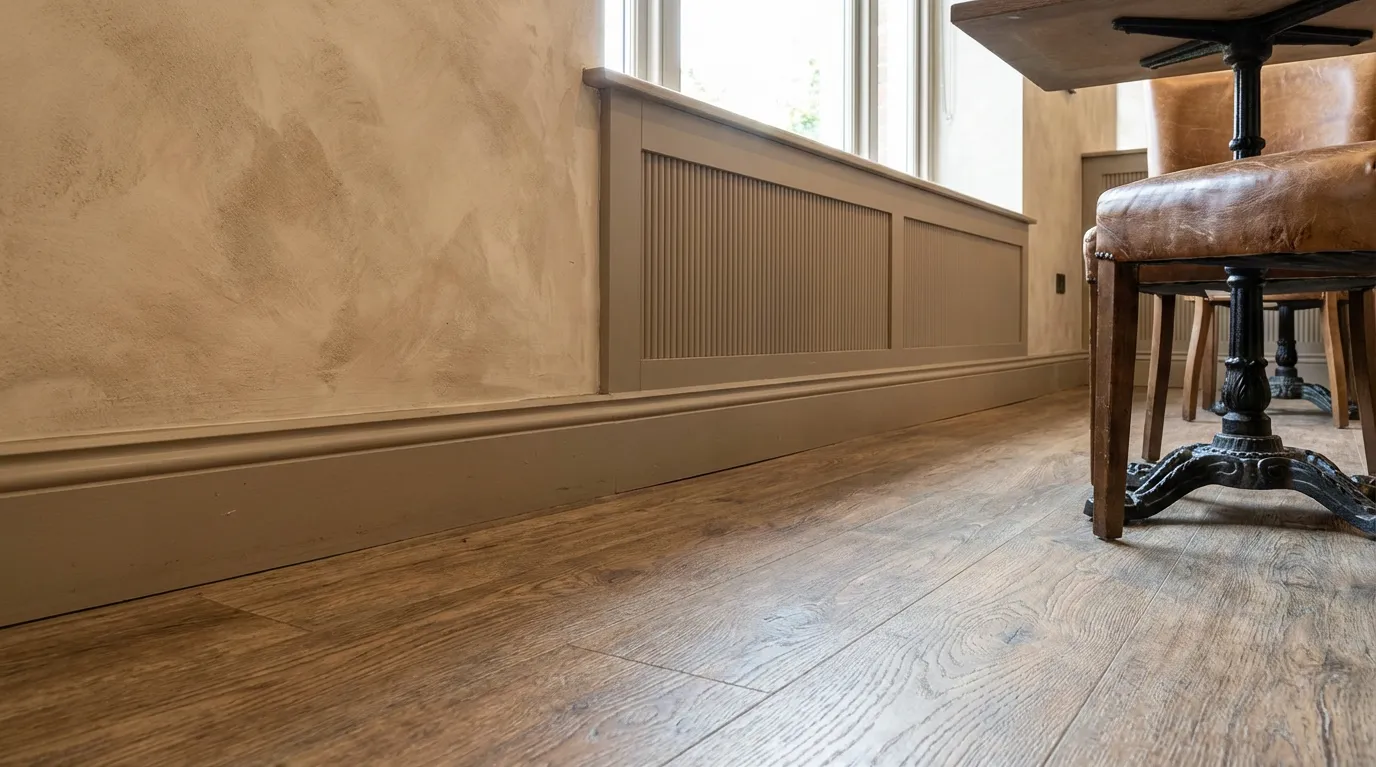
A low-budget renovation requires a highly structured implementation strategy. Attempting to execute all design changes simultaneously often leads to budget overruns, operational chaos, and compromised quality. A phased approach helps operators manage sequencing and facility downtime while protecting critical infrastructure before cosmetic investments are made.
5.1 Phase 1: Infrastructure, Code, and Safety
The initial phase must focus exclusively on the less-visible elements needed for safety, authority review, and operational readiness. Capital allocated to this phase is non-negotiable.
MEP Remediation: Addressing any deficiencies in the mechanical, electrical, or plumbing systems. This includes upgrading electrical panels to support new equipment, repairing leaking supply lines, and ensuring the HVAC system provides adequate ventilation and exhaust.
Code and Authority Requirements: Executing modifications identified by the project professionals and reviewing authorities, including such as widening doorways, adjusting ramp slopes, or upgrading fire suppression systems.
Substrate Preparation: Repairing damaged subfloors, patching drywall, and ensuring all structural surfaces are sound, level, and prepared to receive new finishes. Skipping this step raises the risk of premature failure in subsequent surface applications.
5.2 Phase 2: High-Wear Surfaces and Fixed Elements
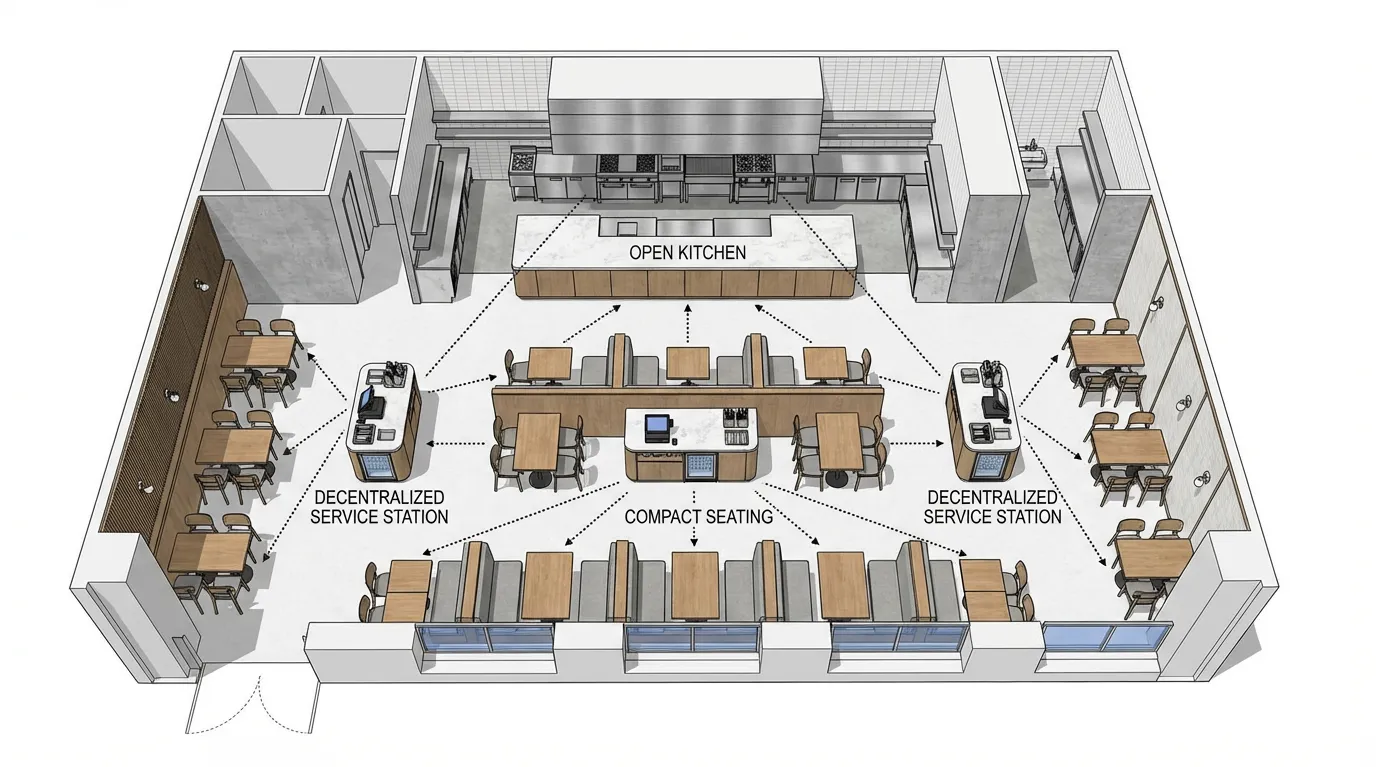
Once the infrastructure is secure, the next phase addresses the elements that endure the most physical abuse and are the most disruptive to replace.
Flooring Installation: Installing the specified commercial-grade flooring. This must be completed before any fixed equipment or heavy furniture is moved into the space. The installation must strictly adhere to the manufacturer's documented requirements regarding adhesives, moisture barriers, and expansion joints.
Fixed Millwork and Cabinetry: Installing service stations, bar die walls, and host stands. These elements define the operational flow of the space and must be securely anchored and finished with durable, easily cleanable materials.
Wall Protection: Installing wainscoting, corner guards, or durable wall coverings in high-traffic areas (e.g., corridors leading to restrooms or the kitchen) to protect the drywall from impact damage.
5.3 Phase 3: Furniture, Fixtures, and Equipment (FF&E)
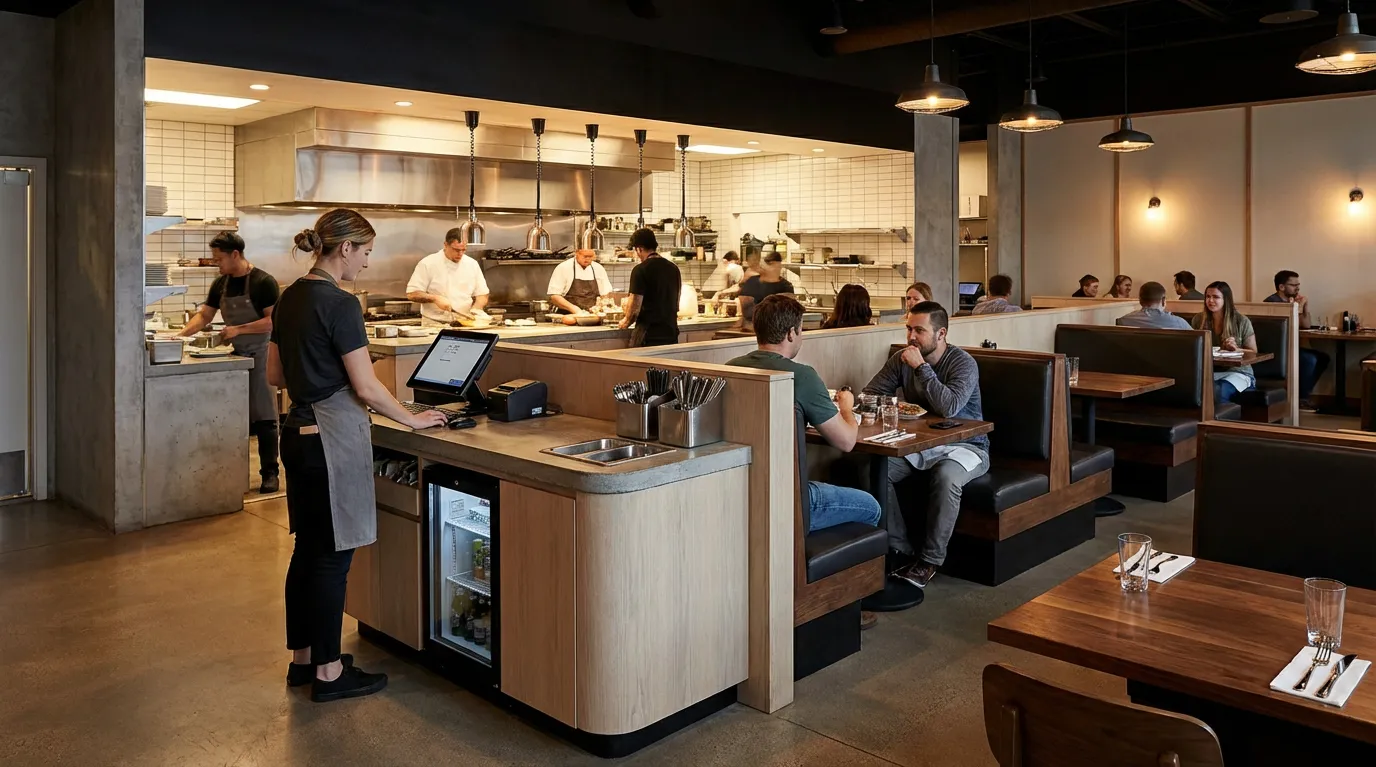
The procurement and installation of FF&E represent a significant portion of the budget and directly impact the guest's physical comfort and the staff's ergonomic efficiency. When specifying furniture, procurement managers must demand evidence of commercial durability.
Seating Specification: Chairs and booths must be evaluated for frame construction (e.g., reinforced joints, heavy-gauge metal, or solid hardwood), foam density, and upholstery performance. Procurement teams should request fabric testing data, specifically the Wyzenbeek or Martindale double-rub counts, to verify abrasion resistance. For example, when evaluating modular seating solutions like the Soft Booth Series F, operators must verify the cleanability of the specified textiles and the structural integrity of the modular connections.
Table Specification: Table bases must provide stability without obstructing accessible clearances. Table tops must resist scratching, thermal shock, and chemical degradation from sanitizers. When specifying items like the Delicacy Coffee Table Series T for lounge areas, the edge banding and surface laminate must be scrutinized for commercial viability.
Equipment Integration: Ensuring that all new operational equipment (e.g., POS terminals, beverage dispensers) integrates seamlessly with the newly installed millwork and electrical rough-ins.
5.4 Phase 4: Cosmetic Finishes, Lighting, and Tableware
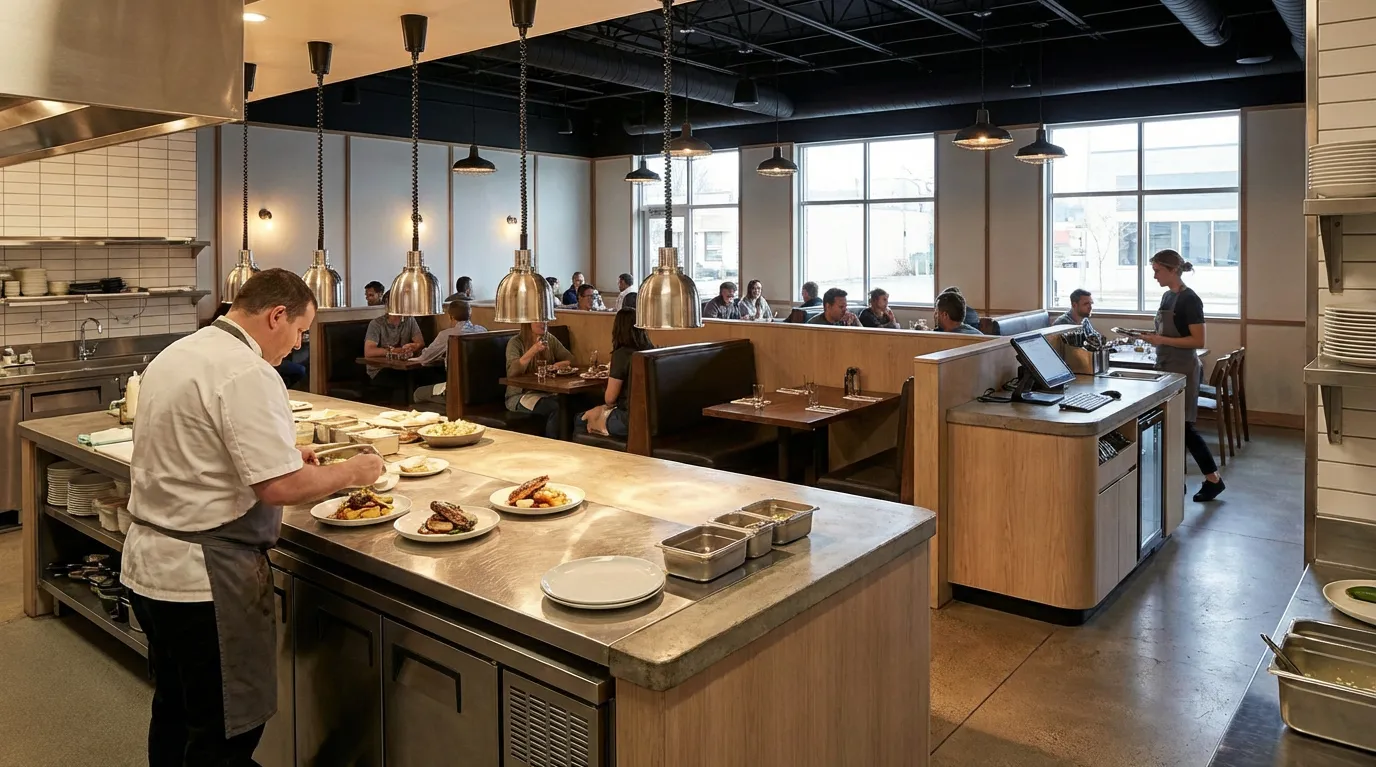
The final phase addresses the visual and tactile elements that define the atmosphere of the space. Because these elements are relatively easy to change, they should only be addressed after the structural and operational requirements have been satisfied.
Paint and Wall Treatments: Applying final paint colors, decorative acoustic panels, or wall graphics. These applications must be scheduled carefully to manage VOC emissions and allow for adequate curing time before the space is occupied.
Lighting Fixtures: Installing decorative pendants, sconces, and track lighting. The lighting design must be evaluated not just for aesthetics, but for its impact on visual tasks (e.g., reading menus, navigating stairs) and its energy consumption profile.
Tableware and Smallwares: The selection of plates, glassware, and flatware is the final touchpoint. Procurement managers must evaluate tableware for thermal shock resistance, stacking capacity, and glaze durability. Collections such as the Nebula Dreamscape and Rustic Textures must be subjected to rigorous acceptance tests, including dishwasher cycling and impact resistance evaluations, to compare them with the facility's documented operational demands.
By adhering to this phased implementation strategy, operators can sequence a limited budget around the restaurant's core functions while systematically upgrading the guest experience. It prevents the common error of exhausting the budget on restaurant design trends before securing necessary infrastructure and required safety or accessibility upgrades.
6. Procurement Documentation and RFQ Preparation
The success of a value-engineered interior design project relies entirely on the quality of the documentation provided during the procurement phase. Vague specifications lead to inaccurate bidding, inappropriate material substitutions, and potentially, scope disputes and rework. To make functional and budget assumptions explicit, operators should issue detailed Requests for Quotation (RFQs).
RON GROUP B2B Procurement Requirements:
To initiate a formal evaluation and receive an accurate quotation for your hospitality project, please submit a comprehensive RFQ package to our procurement team. Your submission must include the following documentation:
Architectural and MEP Drawings: Current, dimensioned floor plans, reflected ceiling plans, and mechanical/electrical/plumbing schedules.
Utility Inputs: Detailed specifications of available electrical capacities, plumbing rough-in locations, and HVAC load parameters.
Finish Schedules: A comprehensive list of all required architectural finishes, including required performance metrics (e.g., DCOF ratings, fire resistance classifications).
Quantities and Takeoffs: Exact counts for all required FF&E, including seating, tables, and tableware.
Required Evidence: A list of all necessary manufacturer testing data, applicable model or authority documentation, and warranty limitations required for your internal approval process.
Upon receipt of this complete documentation package, our engineering and procurement teams will review your inputs against our commercial product data and identify gaps relative to your project's functional requirements and budget parameters.
Get the week's latest industry information
-
Real-Life Professional Restaurant Case Studies
Explore Now
-
Create a unique restaurant with over 95,700+products
Explore Now
-
Protessional Free 3D Restaurant Design
Explore Now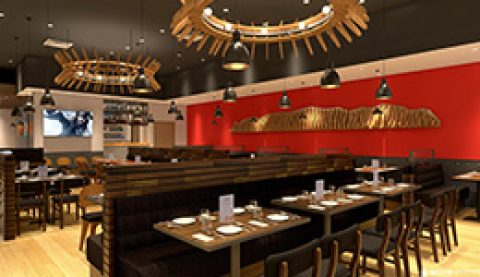
-
Still Have Questions About Opening a Restaurant?
Explore Now

Sylvia
With 8 years in catering & hospitality industry, sales manager of Ron Group, specialise in providing one stop solutions to restaurants, hotels and weddings.
Discover Our Exclusive Products
Explore our extensive range of restaurant and hotel supplies designed to enhance your operations. Find the perfect solutions to meet your needs.
Browse Our ProductsFREE 3D DESIGN
Boost your restaurant's success with our free 3D design service. Start building the restaurant of your dreams today!
Explore 3D Design Case
RECOMMENDED CASES
-
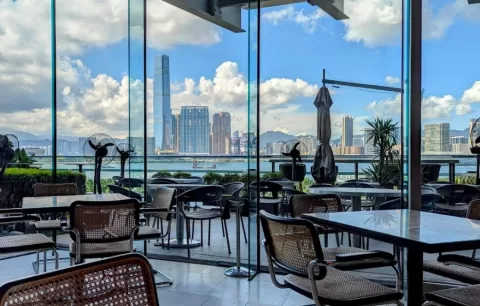
La Rambla by Catalunya: Crafting Barcelona's Soul in Hong Kong - Custom Furniture Excellence
RON Group's custom Spanish-inspired furniture elevates La Rambla with artisanal aesthetics...
Learn More -

Cardinal Point: Elevating Outdoor Seating with Tailored Cushion Upgrades
Discover how Cardinal Point transformed its outdoor dining experience with custom cushions, achievin
Learn More
RECOMMENDED BLOGS
-

Bar Glassware 101: Types, Names, Uses, and How to Stock Your Bar
Learn the 10 core bar glassware types, names, and uses. Discover how to stock your bar with the right glasses for cocktails, beer,...
Sylvia2026-07-26 -
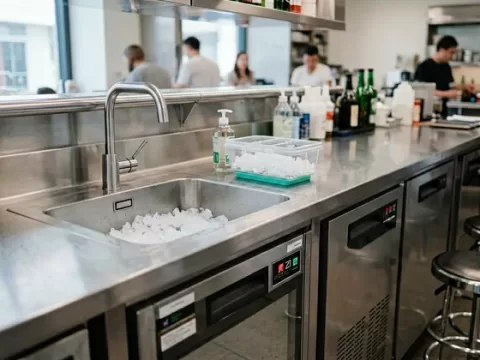
Complete Bar Equipment List for Opening a Bar
Plan a complete commercial bar equipment list by menu, service volume, refrigeration, ice, glassware, utilities, sanitation,...
Sylvia2026-06-11 -

Low Budget Restaurant Interior Design: 2026 Trends
Prioritize a low-budget restaurant interior by protecting code, operations, durability, accessibility, and phased design decisions...
Sylvia2026-04-04
Subscribe to RON GROUP
Stay up-to-date with the latest industry insights and expert advice. Together, we'll create your ideal restaurant.