




Content
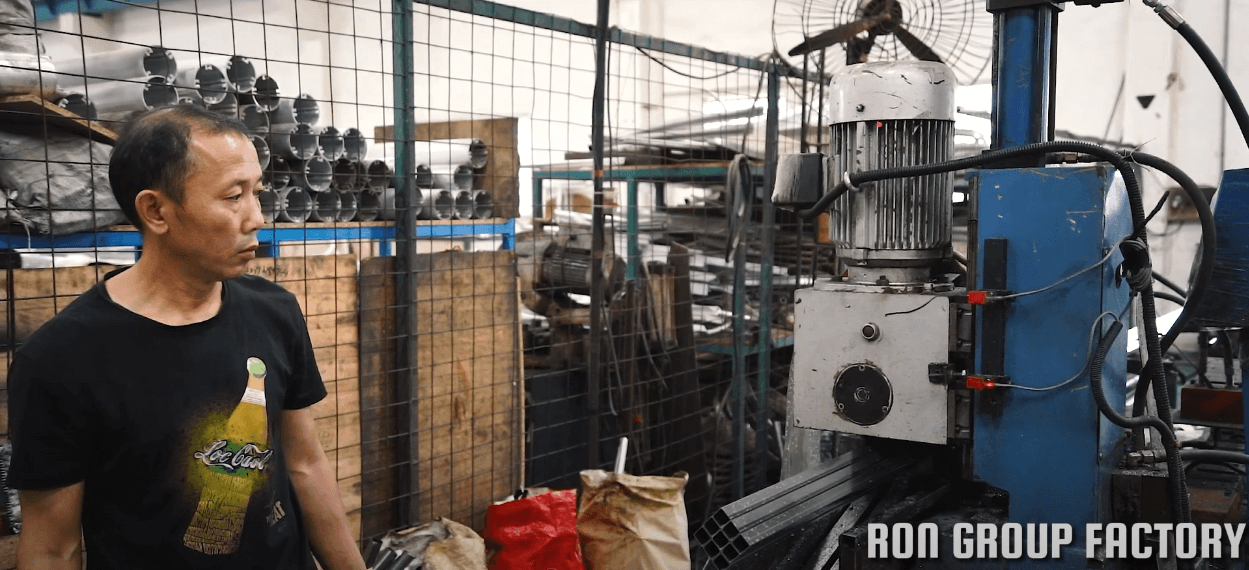
Commercial hospitality environments are destructive testing laboratories operating in continuous real time. Unlike residential seating subjected to intermittent, predictable, and gentle use, a chair or table base deployed in a high-volume metropolitan bistro, casino floor, or hotel banquet hall undergoes violent cyclic loading. Diners drop their entire body weight abruptly onto the seat front edge. Patrons lean back on the rear legs, creating tremendous cantilevered leverage across the bottom frame transitions. Bussing staff slam chairs together during rapid end-of-shift floor resets. Commercial floor scrubbing equipment strikes base frames with corrosive cleaning agents, and constant humidity fluctuations test every square millimeter of surface finish.
When hospitality operators procure furniture based strictly on surface aesthetics rather than manufacturing engineering, the failure mode is swift and predictable. Within six to twelve months, consumer-grade frames flex, weld seams crack beneath the paint, leg joints shear, and powder coatings flake off in sheets, exposing raw metal to rapid oxidation. The result is not merely aesthetic decline; it presents immediate guest injury liability, sudden capital expenditure replacement demands, and irreversible brand degradation.
Specifying institutional-grade contract furniture requires an uncompromising understanding of structural metallurgy, precision computer-numerical-control (CNC) forming, robotic fusion welding, chemical multi-stage conversion pretreatments, and electrostatic thermoset polymerization. This guide details the step-by-step manufacturing engineering required to transform raw structural carbon steel, aircraft-grade aluminum, and austenitic stainless steel into commercial assets capable of sustaining hundreds of thousands of dynamic duty cycles.
1. Raw Metal Metallurgy, Structural Alloys, and Tube Gauge Realities
The structural longevity of any commercial chair, barstool, or table base begins at the raw material specification stage. The choice of alloy, the method of tube synthesis (extrusion versus high-frequency induction welding), and the specified wall thickness dictate the yield strength, deflection resistance, and fatigue life of the completed frame.
Cold-Rolled Carbon Steel (Q235 vs Q195)
Carbon steel remains the workhorse of heavy-duty commercial hospitality manufacturing due to its exceptional modulus of elasticity (approximately 200 to 210 GPa) and cost-to-strength ratio. However, commercial furniture manufacturers differentiate significantly between steel grades:
- Q195 Carbon Steel: Yield strength of approximately 195 MPa. This grade possesses high ductility, making it easy to bend on low-tonnage machinery without cracking. However, its low yield point makes it prone to permanent plastic deformation under heavy cantilevered loads. Low-cost residential furniture manufacturers rely heavily on Q195 to minimize tooling wear, but its structural performance under dynamic restaurant loads is insufficient.
- Q235 Carbon Steel (Equivalent to ASTM A36): Yield strength of 235 MPa and ultimate tensile strength of 370 to 500 MPa. Q235 provides the ideal structural threshold for institutional hospitality use. When cold-rolled, its grain structure aligns to deliver high rigidity, resisting permanent bending moments when diners lean back on rear chair legs. It accepts full-penetration welding without embrittlement, provided proper shielding gases are applied.
Structural Aluminum (6061-T6 vs 6063-T5)
For outdoor hospitality, poolside dining, rooftop lounges, and coastal resorts, steel presents inherent corrosion risks at scratch points. Here, structural aluminum is specified:
- 6063-T5 Aluminum: Known as architectural aluminum, this alloy provides smooth surface finishes and excellent extrusion properties for complex profile designs. With a yield strength of roughly 145 MPa, it serves well in decorative components and light-duty outdoor seating.
- 6061-T6 Aluminum: Solution heat-treated and artificially aged to achieve a minimum yield strength of 240 MPa and ultimate tensile strength of 290 MPa. 6061-T6 possesses structural properties comparable to mild steel while maintaining one-third the density (2.70 g/cm3 versus 7.85 g/cm3). This alloy is mandatory for high-abuse outdoor commercial armchairs, banquet seating that requires frequent stacking, and structural table columns exposed to salt-fog environments.
Austenitic Stainless Steel (AISI 304 vs AISI 201)
In environments demanding polished metallic aesthetics or extreme hygienic wash-down capabilities, stainless steel is the primary specification:
- AISI 201 Stainless Steel: Replaces nickel with manganese and nitrogen to reduce material costs. While harder than 304, 201 exhibits significantly lower corrosion resistance and is vulnerable to stress-corrosion cracking and pitting in coastal air or chlorine-rich pool deck installations.
- AISI 304 Stainless Steel (18/8 Chrome-Nickel): Contains a minimum of 18% chromium and 8% nickel. The nickel content stabilizes the austenitic crystal structure, imparting non-magnetic properties, exceptional cold-forming characteristics, and self-healing chromium oxide passivation films that resist oxidation even when subjected to industrial kitchen sanitizers and atmospheric chlorides.
Wall Thickness Realities: The Tube Gauge Standard
In procurement documents, wall thickness is frequently obscured by generic terms such as "heavy-duty steel frame." Professional purchasers must audit the exact imperial or metric gauge standard.
In thin-walled structural tubing, the section modulus ($Z$) and area moment of inertia ($I$) govern resistance to bending moments ($M = \sigma \cdot Z$). The section modulus is non-linearly proportional to the wall thickness ($t$). A nominal reduction in gauge results in an exponential reduction in structural load capacity:
- 22-Gauge (0.8 mm): Sub-consumer grade. Tubing of this thickness buckles instantly under dynamic torsional loads. It cannot be welded without burn-through, forcing factories to rely on cosmetic tack welds that fail rapidly.
- 18-Gauge (1.2 mm): The absolute upper limit of residential furniture and discount retail commercial seating. Under a 250-pound patron leaning rearward, an 18-gauge rear leg will deform at the stress concentration zone directly below the seat apron within 6 to 12 months.
- 16-Gauge (1.5 mm): The baseline institutional contract standard. A 1.5 mm wall thickness provides sufficient cross-sectional area to support sustained 300-pound dynamic drops. It provides adequate thermal mass for full-penetration robotic MIG/TIG welding without parent metal burn-through or severe heat-affected zone (HAZ) embrittlement.
- 14-Gauge (2.0 mm): Specified for institutional environments, high-volume fast-casual chain dining, stadium venues, and heavy-duty commercial table bases. While it adds frame weight, 14-gauge structural steel eliminates the risk of tube collapse at mechanical fasteners and threaded glide inserts.
EXECUTIVE MANDATE // PROCUREMENT COMPLIANCE AUDIT
Always mandate mechanical mill test reports (MTRs) and direct ultrasonic thickness gauge verification prior to production runs. Low-tier manufacturing facilities frequently substitute 1.2 mm tubing for specified 1.5 mm stock, generating a 20% raw material cost savings while compromising frame rigidity by more than 35%.
2. Precision Forming: 3D Fiber Laser Cutting, CNC Mandrel Bending, and Piercing
Raw structural steel and aluminum tubes must be accurately shaped and notched before welding. Historically, manual cold saws, mechanical notchers, and press brakes were standard. In modern contract manufacturing, manual methods introduce cumulative tolerance stack-ups that compromise weld consistency. Institutional-grade production requires automated CNC operations.
CNC Mandrel Hydraulic Tube Bending
When a hollow metal tube is bent across a die, two physical phenomena occur simultaneously: the outer wall (extrados) experiences tensile elongation, causing wall thinning, while the inner wall (intrados) experiences compressive stress, causing material gathering and wrinkling. Simultaneously, the circular or square cross-section tends to collapse inward, resulting in unwanted ovality.
In consumer-grade manufacturing, fabricators use standard rotary draw benders without internal support. This results in severe cross-sectional flattening (often exceeding 15% ovality) and wall thinning that reduces structural strength precisely at the point of maximum bending moment.
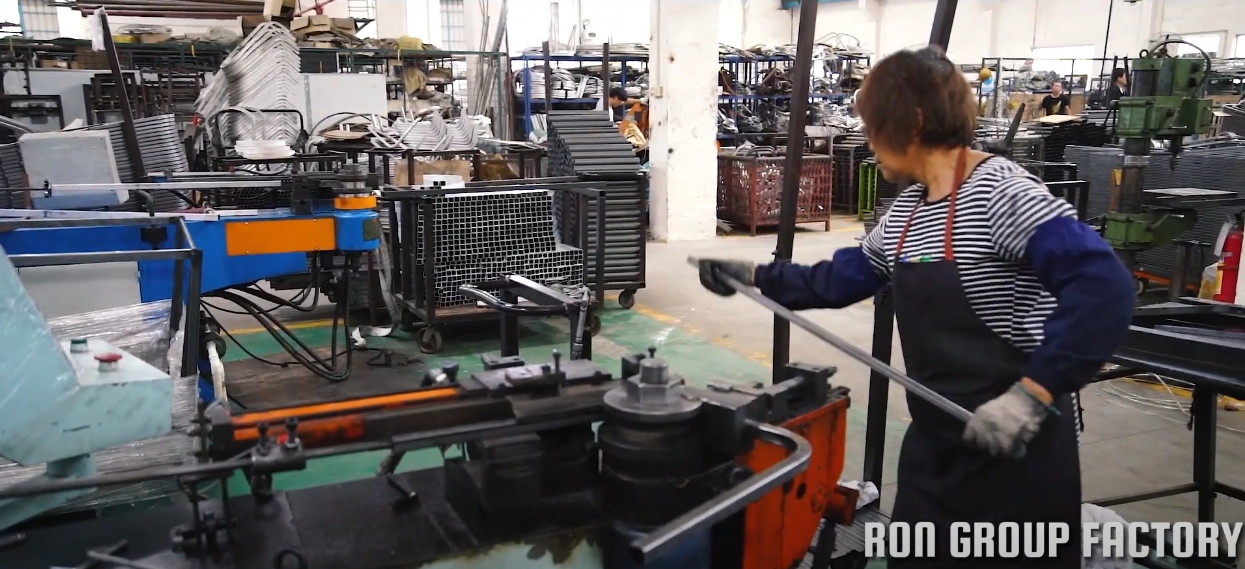
Contract hospitality furniture manufacturing mandates multi-stack CNC hydraulic rotary draw bending machines equipped with:
- Flexible Internal Mandrels: Hardened steel or bronze-alloy articulated ball mandrels insert deep into the tube profile directly at the tangent point of the bend. The mandrel internally supports the tube walls throughout the draw cycle, preventing cross-sectional collapse and limiting ovality to less than 3%.
- Wiper Dies: Positioned immediately behind the bend die on the compression side, precision-machined wiper dies prevent material bunching, eliminating ripples, waves, or micro-buckling on the intrados.
- Pressure Die Assist: Programmed hydraulic forward boost drives the outer wall forward during bending. This mitigates wall thinning on the extrados, ensuring that a 1.5 mm nominal tube maintains at least 1.35 mm of wall thickness throughout a tight 2.5D radius bend.
SOURCING AUDIT TIP // DIRECT PROCUREMENT SPECIFICATION
Inspect the inner curve of any bent metal frame. If ripples, wrinkles, or indentations are visible, the manufacturer used low-cost press bending without an internal mandrel and wiper die. These structural imperfections concentrate stress and fail prematurely under heavy dynamic cycles.
CNC Hole Piercing and Weep Hole Integration
Beyond cutting and bending, tubular components require mounting holes for seats, backrests, and glides, along with weep holes for chemical processing:
- Extruded Holes: Rather than drilling a flat hole through a thin wall, CNC hydraulic punch tools plunge and extrude a circular collar downward into the tube interior. This increases the effective thread engagement length from 1.5 mm to over 3.5 mm, allowing heavy-duty fasteners to resist vibration-induced pull-out.
- Internal Drainage Weep Holes: Hidden weep holes are laser-cut into the bottom edges of all tubular sub-assemblies. These holes allow chemical degreasing, pickling, and phosphating solutions to circulate freely and drain completely during automated pretreatment. Without these ports, corrosive chemicals remain trapped inside sealed frames, rusting the furniture from the inside out and boiling out during high-temperature powder coating curing ovens, ruining the exterior paint finish.
3. Structural Joinery Mechanics: Robotic MIG/TIG Welding and Internal Gusseting
Welding transforms individual metal components into a unified load-bearing chassis. The structural integrity of modern commercial dining chairs depends entirely on weld penetration depth, shielding gas chemistry, heat management, and reinforcement engineering.
The Invisible Hazard: Cold Welds and Porosity
A catastrophic failure mode in metal furniture is the cold weld (cold lap). This occurs when the welder fails to deposit sufficient heat into the parent base metal, causing the molten filler puddle to wash over the cold parent metal without melting and fusing into it. From the surface, the weld bead looks complete and aesthetically pleasing. However, there is zero metallurgical bond at the root interface.
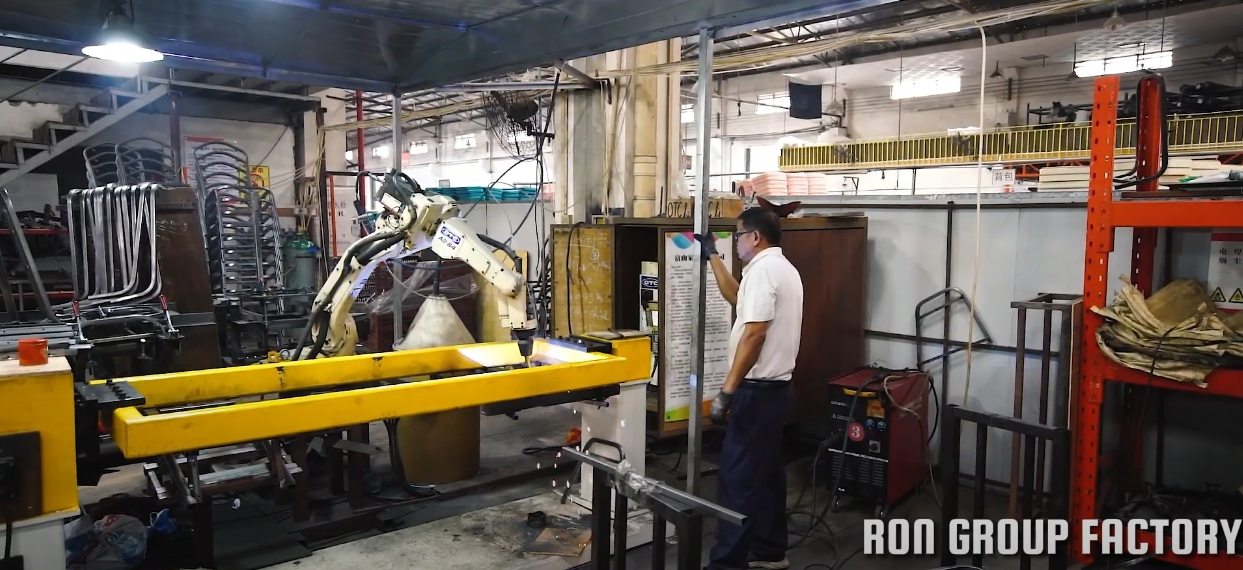
Under the paint, cold welds harbor porosity: microscopic air pockets caused by contaminated tubing, surface mill oil, or improper shielding gas coverage. When dynamic loads impact the chair frame, these pores serve as crack initiation sites. The weld unzips cleanly away from the parent tube, leaving the base metal smooth and unpenetrated. Robotic welding cells eliminate cold lap through continuous current and voltage feedback monitoring, automatically halting the cycle if heat input deviates from validated welding procedure specifications (WPS).
Internal Reinforcement Gussets
In commercial seating engineering, the 90-degree intersection between the rear legs and the horizontal seat apron experiences the highest bending moments in the entire structure. Under standard ANSI/BIFMA cyclic loading tests, unreinforced tubular joints will eventually fail along the heat-affected zone adjacent to the weld line due to cyclic fatigue.
Institutional contract chairs incorporate internal, concealed reinforcement gussets:
- Fabrication: 3.0 mm thick laser-cut structural steel gusset plates are press-fitted inside the hollow tubular intersection prior to outer frame alignment.
- Load Distribution: The gusset acts as a structural shear web. When the rear leg is placed in tension or compression, the bending force distributes through the heavy internal plate rather than concentrating entirely across the exterior 1.5 mm tube walls.
- Aesthetic Advantage: Because the gusset is concealed within the tubular junction or welded neatly along the bottom plane, the chair maintains a clean silhouette while delivering over three times the yield load capacity of standard configurations.
4. Chemical Surface Pretreatment: The Anchor of Coating Adhesion
The most durable electrostatic powder coating will fail prematurely if applied to poorly pretreated metal. When commercial metal furniture exhibits flaking paint, creeping rust beneath the finish, or impact chipping, the failure is almost always chemical rather than metallurgical.
Raw steel tubing arrives from the mill coated in anti-corrosion protective oils, paraffin waxes, and localized surface oxidation (mill scale). Structural aluminum carries natural surface oxidation and lubricant residues from extrusion dies. If powder is sprayed directly onto this contaminated surface, the thermoset polymer mechanically floats on top of the organic oil layer rather than chemically bonding to the crystalline metal matrix.
Dry-Off Oven Dehydration
Following the final chemical rinse, frames pass through a high-velocity convection dry-off oven operating at 120 deg C to 140 deg C for 10 to 12 minutes. This completely dehydrates the surface and vaporizes all residual moisture trapped inside internal frame cavities and laser-cut weep holes. If parts enter the powder application booth carrying moisture, that water will boil inside the cure oven, blowing through the molten powder coating to form visible pinholes and craters that compromise the protective finish.
5. Electrostatic Powder Coating and Thermoset Polymerization
With the raw metal clean, micro-etched, and chemically passivated, it enters the automated coating line. Liquid spray paints rely on volatile organic compound (VOC) solvent evaporation, yielding thin, soft finishes prone to scratching. Institutional hospitality demands electrostatic thermoset powder coatings that undergo thermal cross-linking to form a dense, protective polymer matrix.
Dry Film Thickness (DFT) and Quality Validation
Once cooled, cured finishes undergo strict non-destructive and destructive batch testing:
- Dry Film Thickness (DFT): Measured using digital magnetic induction or eddy-current thickness gauges (ASTM D7091). The target specification for institutional contract furniture is strictly maintained between 80 and 120 microns. Coatings under 60 microns risk micro-porosity and barrier breakdown, while coatings over 150 microns become brittle and prone to chipping along sharp frame radiuses.
- Cross-Hatch Adhesion (ASTM D3359): Quality technicians cut an eleven-blade cross-hatch grid through the coating down to the bare substrate, apply pressure-sensitive tape, and pull it away at a 90-degree angle. Contract-grade production demands a Class 5B rating: completely smooth cut edges with 0% flaking or detachment of square finish lattices.
- Salt Spray Accelerated Corrosion (ASTM B117): Test coupons undergo continuous 5% sodium chloride (salt) atomized fog at 35 deg C for a minimum of 1,000 hours. High-performance pretreatments and fully cured architectural polyester coatings show zero surface blistering and less than 1.0 mm of corrosion creep away from an intentional scribe mark.
6. Commercial Sub-Assemblies: Ergonomic Core and Acoustic Floor Glides
A structurally rigid, perfectly finished metal frame will still fail in service if its primary contact interfaces-the upholstered seat base and floor contact points-are built to domestic standards.
ANSI/BIFMA X5.1 and X5.4 Mechanical Proof Testing
To earn contract certification, chairs and seating must undergo rigorous destructive physical testing within ISO 17025 accredited testing facilities:
- Dynamic Drop Test: A 225-pound (102 kg) impact weight drops freely from a height of 6 inches (152 mm) onto the center of the seat pan to test functional operating loads. This is followed immediately by a 300-pound (136 kg) proof-load drop. The frame must exhibit zero mechanical fractures, zero weld separations, and zero permanent structural deflection.
- Backrest Cyclic Durability Test: A pneumatic actuator attaches to the upper backrest, applying 75 to 100 pounds of horizontal force at a rate of 10 to 30 cycles per minute for 120,000 continuous cycles. This simulates a diner repeatedly leaning back over years of operation. The weld joints, rear leg sections, and internal gussets must complete the test without localized cracking or mechanical failure.
- Leg Strength Corner Dynamic Impact: Horizontal pneumatic cylinders impact the bottom leg corners with 75 pounds of force to evaluate joint resistance against floor scrubbing collisions and transit drops.
TECHNICAL NOTE // KEY ENGINEERING STANDARD
Always require full test reports showing pass ratings for ANSI/BIFMA X5.1 (for standard general-purpose seating) or ANSI/BIFMA X5.4 (for public lounge and institutional seating). Reports should be issued by independent, ISO/IEC 17025 accredited testing bodies such as SGS, TUV, or Intertek, dated within the preceding 24-month period.
5-Year Total Cost of Ownership (TCO) Financial Modeling
Procurement teams often fall into the low-unit-cost trap: choosing a $45 consumer-grade retail chair over a $95 engineered contract-grade institutional chair. The following 5-year Total Cost of Ownership (TCO) ledger tracks an actual 150-seat high-volume dining facility operating 14 hours per day, 365 days per year.
The financial metrics are clear: selecting low-cost retail frames increases lifetime furniture expenditures by more than 114%. This stems from recurring replacement cycles, continuous maintenance labor, emergency shipping costs, and unrecoverable capital spent replacing failed units.
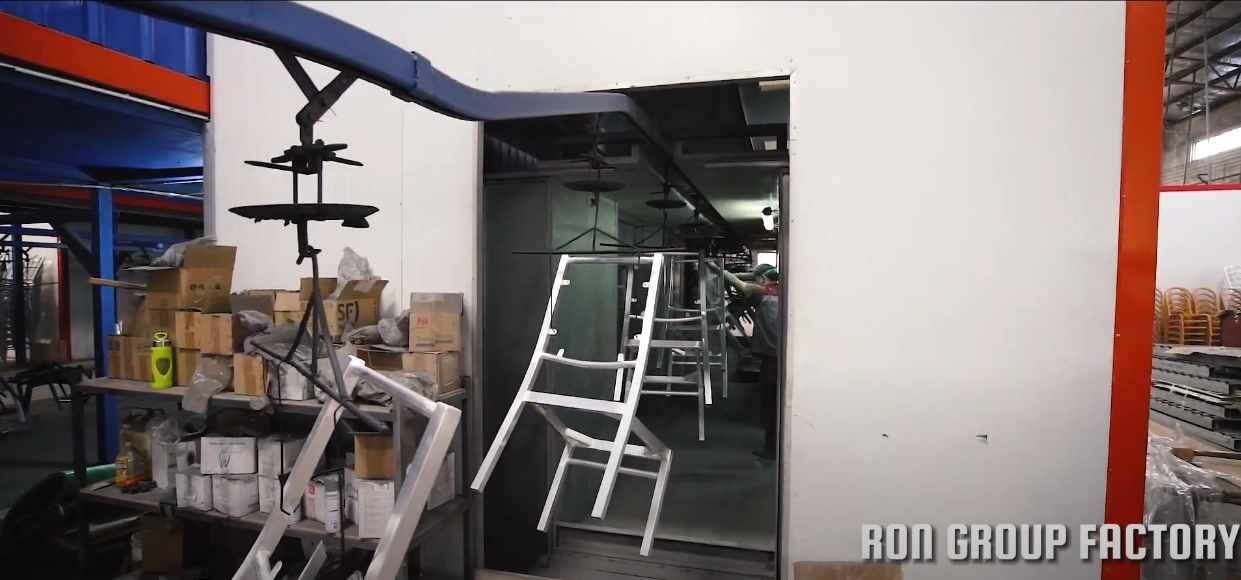
8. Integrated Sourcing: Direct Foshan Manufacturing and Global B2B Freight Logistics
Procuring high-performance metal furniture requires partnering with a manufacturer that possesses deep engineering capabilities and understands commercial project workflows. Fragmented procurement-sourcing dining chairs from one trading firm, custom booths from another, and table bases from a third-creates finish mismatches, variable steel gauges, conflicting production timelines, and chaotic container logistics.
Ron Group leverages its modern production facilities in Foshan, China-the global epicenter of high-end contract furniture manufacturing. We engineer and build comprehensive hospitality solutions under one roof, integrating our commercial furniture collection to eliminate middleman margins and maintain uniform structural quality.
Integrated Hospitality Manufacturing
Rather than juggling multiple disparate vendors, commercial project directors coordinate their entire seating layout directly through our Foshan engineering facilities:
- Commercial Dining Chairs: Full portfolio of steel, aluminum, and stainless steel commercial dining chairs, manufactured to 16-gauge (1.5 mm) minimum structural specifications with robotic 360-degree welds and AkzoNobel powder coats.
- Custom Booth Banquettes: As a dedicated custom booth seating manufacturer Foshan, Ron Group constructs integrated commercial booths featuring heavy-duty internal steel framework, 45 kg/m3 high-density molded foams, and commercial contract upholstery that perfectly matches freestanding perimeter chairs.
- Commercial Table Bases: Cast iron, 304 stainless steel, and heavy 14-gauge structural steel commercial table bases built with fully welded mounting plates, heavy tie-rod drawbolts, and internal anti-rotational pins that permanently prevent tabletop wobble.
Global Logistics Realities: Zero Pre-Fulfillment Over-Promising
Global logistics can challenge even well-planned hospitality fit-outs. Ron Group operates with complete transparency regarding freight shipping terms:
- No Residential or White-Glove Illusions: We deal strictly in transparent, professional B2B commercial logistics. Ron Group never promises white-glove inside delivery, upstairs uncrating, or refuse removal. Standard commercial freight operators deliver exclusively to commercial receiving docks or curbside liftgates. Purchasers are responsible for on-site facility movement and assembly staging.
- The Pitfalls of Low-Cost CIF Shipping: We caution clients against vendors offering deceptively low CIF (Cost, Insurance, and Freight) pricing. CIF terms transfer shipping control to clearing agents at the destination port, where buyers frequently face exorbitant, unexpected dock charges, container un-stuffing fees, and import administrative kickbacks.
- Transparent Delivered Duty Paid (DDP) and Direct Container Sealing (FCL):
- Full Container Load (FCL): 20GP, 40GP, or 40HQ ocean containers are staged and packed directly at our Foshan factory loading docks. Furniture units are packed in multi-layer non-woven fabric, high-density expanded polyethylene (EPE) corner bumpers, and 5-ply export master cartons. The container is locked and sealed on-site with high-security bolt seals, remaining untouched until it clears customs and arrives directly at your facility dock.
- Less-than-Container Load (LCL): Shipped via transparent, pre-negotiated DDP (Delivered Duty Paid) terms or managed directly under your own domestic forwarder using FOB or EXW terms. All customs duties, port tariffs, terminal handling charges, and commercial transport fees are fully settled upfront, eliminating surprise surcharges at the loading dock.
9. Comprehensive Procurement Inspection Checklist
Before signing a commercial purchase order or authorizing production balance releases for metal contract seating, review every point on this manufacturing engineering checklist:
10. Conclusion: Engineering the Foundation of Hospitality Success
In commercial hospitality, design aesthetics draw guests through the door, but engineering integrity protects your operating bottom line. High-volume dining establishments, luxury hotel properties, and entertainment centers cannot afford the physical liabilities, continuous repair cycles, and brand degradation that result from consumer-grade metal furniture.
By demanding raw structural steel with validated 16-gauge wall thicknesses, 3D laser interlocking joinery, CNC mandrel bending, full-penetration robotic welds, 5-stage chemical conversion pretreatments, and fully cured architectural powder coatings, procurement directors protect their investments for years of heavy service.
Are you planning a new hospitality opening, hotel renovation, or multi-location dining rollout? Eliminate broker markups, avoid finish mismatches, and insulate your balance sheet against unexpected freight surprises. Partner directly with an engineering-focused manufacturer capable of building to your exact specifications. Contact the manufacturing and supply chain specialists at Ron Group today: contact RON GROUP.
Get the week's latest industry information
-
Real-Life Professional Restaurant Case Studies
Explore Now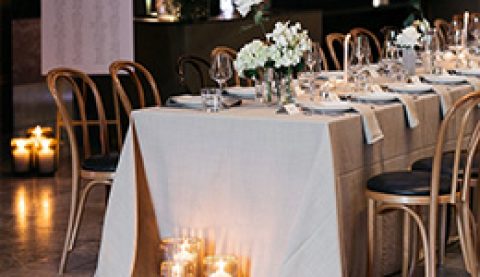
-
Create a unique restaurant with over 95,700+products
Explore Now
-
Protessional Free 3D Restaurant Design
Explore Now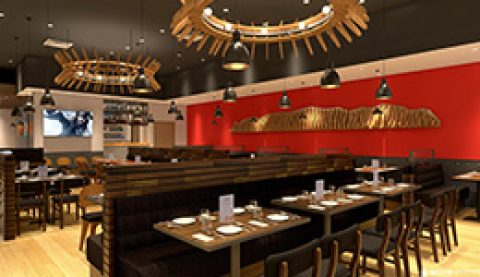
-
Still Have Questions About Opening a Restaurant?
Explore Now

Sylvia
With 8 years in catering & hospitality industry, sales manager of Ron Group, specialise in providing one stop solutions to restaurants, hotels and weddings.
Discover Our Exclusive Products
Explore our extensive range of restaurant and hotel supplies designed to enhance your operations. Find the perfect solutions to meet your needs.
Browse Our ProductsFREE 3D DESIGN
Boost your restaurant's success with our free 3D design service. Start building the restaurant of your dreams today!
Explore 3D Design Case
RECOMMENDED CASES
-
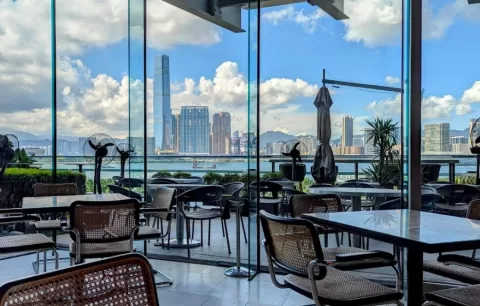
La Rambla by Catalunya: Crafting Barcelona's Soul in Hong Kong - Custom Furniture Excellence
RON Group's custom Spanish-inspired furniture elevates La Rambla with artisanal aesthetics...
Learn More -

Cardinal Point: Elevating Outdoor Seating with Tailored Cushion Upgrades
Discover how Cardinal Point transformed its outdoor dining experience with custom cushions, achievin
Learn More
RECOMMENDED BLOGS
-

Bar Glassware 101: Types, Names, Uses, and How to Stock Your Bar
Learn the 10 core bar glassware types, names, and uses. Discover how to stock your bar with the right glasses for cocktails, beer,...
Sylvia2026-07-26 -

Complete Bar Equipment List for Opening a Bar
Plan a complete commercial bar equipment list by menu, service volume, refrigeration, ice, glassware, utilities, sanitation,...
Sylvia2026-06-11 -
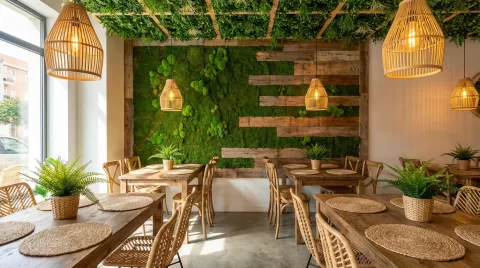
Low Budget Restaurant Interior Design: 2026 Trends
Prioritize a low-budget restaurant interior by protecting code, operations, durability, accessibility, and phased design decisions...
Sylvia2026-04-04
Subscribe to RON GROUP
Stay up-to-date with the latest industry insights and expert advice. Together, we'll create your ideal restaurant.