










Complete Restaurant Procurement Guide: From Needs to Vendors
Cut restaurant costs by 30%! Master procurement strategy from needs assessment to vendor selection. Boost profits with data-driven purchasing decisions.
Content
Introduction: Procurement as the Engine of Profitability
In the highly competitive and margin-sensitive hospitality industry, procurement is frequently viewed through a narrow lens—a transactional function focused on minimizing costs. This perspective, while understandable, is fundamentally limiting. A truly effective procurement strategy transcends mere purchasing; it is the central engine driving operational efficiency, shaping the guest experience, reinforcing brand identity, and ultimately, securing long-term profitability. From the quality of ingredients that define a signature dish to the durability of the flatware in a customer’s hand, every procurement decision reverberates throughout the entire operation.
The procurement process is not a linear path but rather a continuous, cyclical lifecycle of strategic planning, meticulous sourcing, active management, and constant optimization. Mastering this cycle is what separates thriving establishments from those that merely survive. A poorly architected procurement function leads to inconsistent quality, operational bottlenecks, budget overruns, and a compromised brand promise. Conversely, a sophisticated approach transforms the supply chain from a potential liability into a powerful competitive advantage.
This guide provides a comprehensive, strategic roadmap for mastering this critical business function. It is designed to serve as a foundational resource for both new operators building their supply chain from the ground up and established restaurateurs seeking to refine their processes for greater resilience and profitability. By deconstructing the procurement lifecycle into its core components—from a granular needs assessment and data-driven budgeting to strategic vendor selection and navigating future challenges—this report empowers hospitality leaders to build a procurement framework that supports and amplifies their vision for operational excellence.
Part 1: The Foundation – A Strategic Needs Assessment
The journey to procurement excellence begins not with a catalog or a price list, but with a deeply strategic and holistic assessment of needs. Moving beyond a simple shopping list, this foundational stage involves creating a comprehensive blueprint of every single item required for the restaurant to function, from heavy-duty kitchen equipment to the smallest front-of-house consumables. A granular, cross-departmental needs assessment is the non-negotiable first step that prevents costly over-ordering, disruptive emergency purchases, and critical operational bottlenecks. It is the process of translating a restaurant’s concept into a tangible, operational reality.
The Unified Approach: Aligning Departmental Needs
Effective procurement starts by gathering input from stakeholders across every department—kitchen, bar, front-of-house (FOH), and management. Each team possesses unique insights into the daily rhythms, urgent requirements, and seasonal patterns that dictate supply needs. Without a unified approach, teams risk overbuying, under-ordering, or making siloed decisions that create friction elsewhere in the operation. For example, the FOH manager might select wide-rimmed plates that are aesthetically pleasing but do not fit efficiently into the commercial dishwasher chosen by the kitchen team, creating a persistent workflow issue.
A coordinated needs assessment, facilitated by procurement leaders, aligns these disparate perspectives through shared catalogs, analysis of usage history, and coordinated purchase requests. This initial collaboration is critical for ensuring buy-in from the teams who will ultimately use the procured goods, fostering a more cohesive and efficient operational environment.
More profoundly, the needs assessment is the physical manifestation of the restaurant’s business plan and brand concept. The process must be guided by the core identity of the establishment. A business plan for a “farm-to-table fine dining” concept, for instance, first dictates the menu’s focus on seasonal, high-quality ingredients, a key step outlined in many checklists for opening a new restaurant. This menu, in turn, dictates the specific cooking techniques required, necessitating specialized equipment like a sous-vide circulator or a plancha grill, rather than a standard deep fryer. The menu’s sophisticated plating style then informs the selection of specific dinnerware and glassware needed in the FOH to present the food appropriately. A failure to connect these dots—from abstract concept to tangible equipment—results in a strategic disconnect between the brand promise and the operational capability to deliver it. This is not merely a logistical oversight; it is a fundamental strategic failure.
The Heart of the House: Kitchen Procurement
The kitchen is the operational core of any restaurant, and its equipment list is extensive and complex. A methodical approach, categorizing items by function, is essential for ensuring no critical component is overlooked.
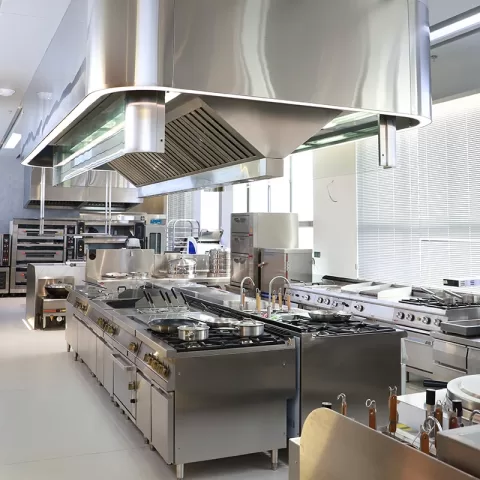
The cookline is where the menu comes to life, and its configuration must be directly tailored to the restaurant’s cuisine and projected volume. Key equipment includes:
Ovens: The choice of oven is central. A standard commercial oven is a versatile workhorse, while a convection oven offers even baking and roasting, ideal for high-volume kitchens. As detailed in guides to essential restaurant equipment, combination ovens provide steam and convection capabilities, and specialized pizza or conveyor ovens are necessary for specific concepts.
Ranges, Grills, and Fryers: Gas and electric ranges are the foundation of the cookline. These are supplemented by flat-top griddles for items like burgers and breakfast, charbroilers for searing and grilling, and commercial deep fryers (single or multi-vat) for fried foods.
Specialty Cooking Equipment: Depending on the menu, this may include steamers, tilting skillets, soup wells, panini grills, or wok ranges.
Proper cold storage is non-negotiable for both food safety compliance and cost control, as it minimizes spoilage and waste.
Bulk Storage: Walk-in coolers and freezers are essential for high-volume operations, providing ample space for produce, meats, and frozen goods.
Line Refrigeration: Reach-in refrigerators and freezers, undercounter units, and refrigerated prep tables (for salads, sandwiches, or pizza) keep ingredients fresh and accessible directly on the cooking line, improving efficiency.
Specialized Units: Blast chillers are crucial for rapidly cooling hot foods to safe temperatures, a key tenet of HACCP plans. Commercial ice machines are a must for both kitchen and bar operations.
These are the daily workhorses of the kitchen, the tools that enable chefs to transform raw ingredients into finished dishes with precision and consistency.
Mechanical Prep: Commercial mixers (planetary or floor models), food processors, vegetable slicers, and meat grinders automate labor-intensive tasks.
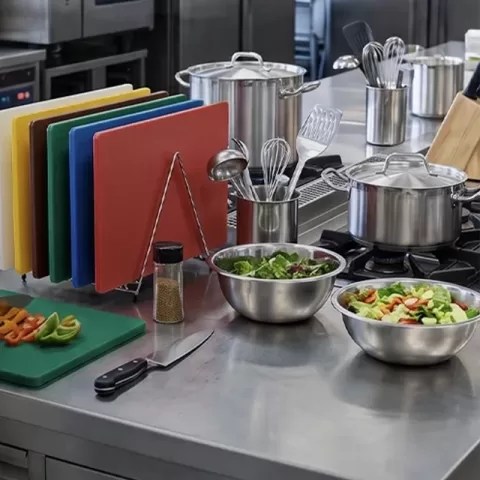
Manual Prep & Measurement: High-quality, color-coded cutting boards and knife sets are essential for preventing cross-contamination. Portion scales ensure consistency and help control food costs, while a variety of thermometers are critical for food safety.
Cookware & Utensils: A comprehensive inventory of pots, pans, hotel pans, whisks, spatulas, tongs, ladles, and other smallwares is the backbone of daily kitchen operations.
An efficient and compliant dishwashing area is mandated by health codes and is vital for maintaining a smooth operational flow.
Sinks: A three-compartment sink for washing, rinsing, and sanitizing is a legal requirement in most jurisdictions. Separate, dedicated handwashing stations are also mandatory.
Dishwashers: High-temperature or low-temperature commercial dishwashers are essential for sanitizing dinnerware, glassware, and flatware at volume. Glasswashers are often used in bar areas for more delicate stemware.
Storage & Supplies: Drying racks, drainboards, and appropriate chemical dispensers and sanitizing buckets are needed to complete the sanitation process and maintain an organized, inspection-ready kitchen.
The Face of the Brand: Front-of-House (FOH) Procurement
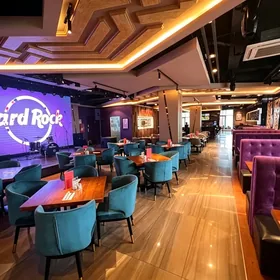
The FOH is where the brand directly intersects with the guest. Every element, from the comfort of the chairs to the weight of the flatware, contributes to the overall dining experience and communicates the restaurant’s identity and quality standards.
The physical environment sets the stage for the entire guest journey.
Seating & Tables: The selection of tables, chairs, booths, and bar stools must balance durability, comfort, and aesthetic alignment with the restaurant’s concept. Knowing how much to budget for restaurant furniture is a critical step in this process. High chairs and booster seats are necessary for family-friendly establishments.
Host Station: A well-equipped host stand is the command center of the dining room, requiring a stand, reservation system (digital or physical), menus, and potentially a pager system for managing waitlists.
Service Stations & Decor: Service stations, utility carts, and tray stands improve the efficiency of service staff. Decor elements like wall art, lighting, and even patio heaters for outdoor spaces complete the ambiance.
The tabletop is the guest’s personal stage for the meal. The choice of each component should be deliberate and cohesive.
Dinnerware: This includes a full suite of plates (charger, entrée, salad, dessert), bowls (soup, pasta), and specialty ovenware. The material, from rustic stoneware to fine bone china, should reflect the price point and style of the cuisine.
Glassware: A complete set includes water goblets, iced tea tumblers, and a range of wine and cocktail glasses appropriate for the beverage program.
Flatware: The selection extends beyond the basic knife, fork, and spoon to include salad forks, steak knives, soup spoons, and dessert utensils. The weight, finish, and design contribute significantly to the perceived quality of the experience.
Linens & Accessories: Tablecloths, napkins, and placemats add texture and color. Accessories like salt and pepper shakers, bread baskets, and check presenters are small but essential details.
Technology and tools are crucial for ensuring smooth, efficient, and accurate service.
Point of Sale (POS) System: The POS is the technological heart of the FOH, managing orders, payments, and often integrating with kitchen display systems (KDS), inventory, and labor management. The system must be reliable and intuitive for staff.
Payment Processing: This includes receipt printers, credit card terminals (EMV-compliant), and cash drawers.
Menus: Menu covers and holders should be durable and consistent with the restaurant’s branding. They are one of the first physical touchpoints for a guest.
The Profit Center: Bar Procurement
A well-run bar can be a significant profit center, but it requires a specialized set of equipment and supplies to operate efficiently and produce high-quality beverages consistently.
The bartender’s workstation, or “cockpit,” must be organized for speed and precision.
Mixing & Measuring: This includes professional-grade cocktail shakers (Boston or cobbler), mixing glasses, jiggers for accurate pours, long-handled bar spoons, Hawthorne and fine-mesh strainers, and muddlers, as noted in many bartender equipment checklists.
Prep & Garnish: A dedicated prep area with cutting boards, paring knives, citrus juicers/presses, and organized garnish trays is essential for efficient drink building.
Organization: As emphasized in bar setup guides, speed rails keep high-volume liquors within easy reach, while bottle pourers ensure consistent, drip-free pours.
Serving a drink in the correct glass is fundamental to proper beverage presentation and affects the aroma, temperature, and overall perception of the cocktail.
Core Glassware: A well-stocked bar will have a wide array of glassware, including rocks (old fashioned), highball, Collins, martini, coupe, margarita, and various wine glasses.
Beer Glassware: This includes pint glasses, pilsner glasses, mugs, and potentially specialty glasses like snifters for specific beer styles.
Other Essentials: Shot glasses, mixing glasses, and carafes or pitchers for batch service are also necessary.
Proper temperature control is just as critical for beverages as it is for food.
Coolers: Back bar coolers (often with glass doors for display), horizontal bottle coolers, and dedicated wine coolers with dual-zone temperature controls are standard. A separate small refrigerator for juices, syrups, and garnishes is also common.
Ice Machines & Bins: A high-capacity commercial ice machine is a bar’s lifeline. According to experts at Restaurant Times, insulated ice bins (ice wells) must be integrated into the bar station for easy access.
Dispensing: A draft beer system (kegerator or a full tap system with lines running to a walk-in cooler) is essential for serving beer on tap. A soda gun provides carbonated water and various sodas for mixers.
To provide a practical, actionable tool for operators, the following table synthesizes these departmental needs into a master checklist.
Table 1: The Comprehensive Restaurant Needs Assessment Checklist
| Department | Category | Item | Quantity Needed | Specification Notes (e.g., Size, Material, Brand) | Priority (Essential / Nice-to-Have) |
|---|---|---|---|---|---|
| Kitchen | Heavy Equipment | Convection Oven | Double-stack, gas | Essential | |
| 6-Burner Range w/ Oven | 36-inch, gas | Essential | |||
| Flat-Top Griddle | 48-inch, countertop | Essential | |||
| Deep Fryer | Double-vat, 50lb capacity | Essential | |||
| Refrigeration | Walk-In Cooler | 8’x10’ | Essential | ||
| Reach-In Refrigerator | 2-door, stainless steel | Essential | |||
| Sandwich/Salad Prep Table | 60-inch, with cutting board | Essential | |||
| Ice Machine | 500lb/day production | Essential | |||
| Food Prep | Planetary Mixer | 20-quart, floor model | Essential | ||
| Food Processor | 4-quart, continuous feed | Essential | |||
| Immersion Blender | 16-inch shaft | Essential | |||
| Portion Scale | Digital, 5lb capacity | Essential | |||
| Knife Set | Chef, paring, serrated, boning | Essential | |||
| Cutting Boards | Color-coded set (6) | Essential | |||
| Warewashing | 3-Compartment Sink | Stainless steel, 2 drainboards | Essential | ||
| High-Temp Dishwasher | Door-type | Essential | |||
| Handwashing Sink | Dedicated, with soap/towel dispenser | Essential | |||
| Front-of-House | Furniture | Dining Tables (4-top) | 36"x36", wood finish | Essential | |
| Dining Chairs | Upholstered seat, wood frame | Essential | |||
| Bar Stools | Backless, metal frame | Essential | |||
| Host Stand | With storage and menu slot | Essential | |||
| Tabletop | Dinner Plates | 10.5-inch, porcelain | Essential | ||
| Salad Plates | 8-inch, porcelain | Essential | |||
| Flatware Set (per cover) | 18/10 stainless steel | Essential | |||
| Water Goblets | 12 oz, durable glass | Essential | |||
| Wine Glasses (All-Purpose) | 16 oz, crystal | Essential | |||
| Cloth Napkins | Cotton-poly blend, color | Essential | |||
| Service & Tech | POS Terminal | Touchscreen, integrated payment | Essential | ||
| Receipt Printer | Thermal | Essential | |||
| Menu Covers | Leatherette, 8.5"x11" | Essential | |||
| Bar | Bar Tools | Cocktail Shaker Set | Boston style, weighted | Essential | |
| Jigger | Double-sided (1oz/2oz) | Essential | |||
| Hawthorne Strainer | Essential | ||||
| Bar Spoons | 12-inch, twisted handle | Essential | |||
| Glassware | Rocks Glasses | 10 oz, heavy base | Essential | ||
| Highball Glasses | 12 oz, straight-sided | Essential | |||
| Martini/Coupe Glasses | 7 oz | Essential | |||
| Pint Glasses | 16 oz | Essential | |||
| Equipment | Back Bar Cooler | 3-door, glass front | Essential | ||
| Kegerator/Draft System | 4-tap tower | Essential | |||
| Blender | High-performance, sound enclosure | Nice-to-Have | |||
| Underbar Ice Bin | Insulated, with cold plate | Essential |
Part 2: Architecting the Budget – From Projections to Profit
With a comprehensive needs assessment complete, the next critical phase is to translate this physical inventory into a robust financial framework. Creating a procurement budget is far more than simply estimating costs; it is an exercise in strategic financial planning that directly impacts a restaurant’s viability and profitability. A well-architected budget provides a clear roadmap for spending, serves as a crucial tool for cost control, and enables operators to make informed decisions that protect their margins. This process connects the tangible needs of the operation to its overarching financial goals.
Building Your Financial Blueprint: Key Cost Categories
The foundational step in building any budget is to accurately categorize all anticipated expenses. This allows for a clear understanding of the restaurant’s cost structure and highlights areas of both financial risk and opportunity. According to restaurant financial planning guides, expenses are typically divided into two primary groups:
Fixed Costs: These are expenses that remain relatively consistent regardless of sales volume. They are predictable and form the baseline of the restaurant’s monthly overhead. Examples include rent or mortgage payments, insurance premiums, salaried management payroll, and loan repayments.
Variable and Semi-Variable Costs: These expenses fluctuate in direct or near-direct relation to sales volume. Variable costs include food and beverage ingredients (Cost of Goods Sold or COGS), while semi-variable costs include hourly labor, utilities (which have a fixed base rate plus usage charges), and marketing expenditures.
This categorization is strategically vital because it helps operators distinguish between controllable and uncontrollable costs. While rent is typically non-negotiable in the short term, food costs, hourly labor, and supplies are controllable levers that can be adjusted to improve financial performance.
Forecasting with Precision: Using Data to Predict Demand
A budget is fundamentally a plan based on a forecast, and its accuracy is entirely dependent on the quality of its sales projections. An overly optimistic forecast can lead to over-ordering, excessive labor scheduling, and wasted capital, while an overly pessimistic one can result in stockouts and missed revenue opportunities.
For established restaurants, forecasting should be a data-driven process. By analyzing historical sales data from the POS system, operators can identify trends, seasonal patterns, and the impact of past promotions or local events. This historical performance provides a solid baseline for future projections. For new restaurants without historical data, forecasting requires a combination of thorough market research and logical calculation:
Market and Competitor Analysis: As hospitality consultants at Cayuga Hospitality suggest, studying the performance of similar restaurants in the area is key to establishing a realistic benchmark for traffic and check averages.
Capacity Calculation: A baseline forecast can be built by calculating the restaurant’s maximum daily capacity (number of seats multiplied by the number of turns per service) and applying a conservative occupancy rate.
External Factors: Both new and established operators must account for external factors that can impact sales, such as new local competition, changes in minimum wage, or shifts in supplier pricing.
The Prime Cost Imperative: Balancing Food & Labor
In the restaurant industry, no financial metric is more critical than the Prime Cost, which is the sum of the Total Cost of Goods Sold (COGS) and Total Labor Costs. This figure represents the largest and most controllable area of expenditure for most foodservice operations. As noted by the business resource Clockify, a healthy prime cost is typically targeted to be 60-65% of total sales, though this can vary by concept.
The procurement budget is directly tied to the COGS portion of this equation. A key performance indicator for procurement is the food cost percentage, which measures the cost of ingredients relative to the revenue generated from selling the final dish. Industry benchmarks for food cost percentage generally fall between 28% and 35% of total revenue. To manage this effectively, operators must perform menu engineering, which involves calculating the precise ingredient cost for every single item on the menu. This granular analysis reveals which dishes are most and least profitable, allowing for strategic menu adjustments, recipe modifications, or price changes to optimize overall profitability.
Tracking and Optimization: From Projected to Actual Spending
A budget is not a static document to be created once and then filed away; it is a dynamic management tool that requires constant monitoring and adjustment. The critical practice is to regularly track actual spending against the projected budget for each accounting period. This is typically done using a budget spreadsheet or integrated accounting software.
The most important part of this process is variance analysis—identifying and investigating the differences between projected and actual figures. A significant variance is a red flag that signals a potential problem or opportunity. By analyzing these discrepancies, operators can take timely, corrective action, such as renegotiating prices with a supplier who has exceeded the budgeted cost, adjusting menu prices to compensate for rising ingredient costs, or identifying areas of operational inefficiency.
This process transforms the budget from a simple spending limit into a powerful diagnostic tool for operational health. Consider a scenario where a restaurant’s budget report shows that the actual cost for fresh produce is consistently 15% higher than the projected cost. This variance prompts an investigation. The immediate question is not simply “how do we cut the produce budget?” but “why is this variance occurring?” The root cause could be a supplier who has raised prices without notice. However, it could also be an internal, operational issue. An investigation might reveal poor inventory rotation practices in the kitchen, leading to an unusually high level of spoilage and waste. Or perhaps the line cooks are not adhering to standardized portion sizes, resulting in higher-than-expected usage. In this case, the solution is not to arbitrarily cut spending on produce—which could compromise quality—but to implement better inventory management protocols and provide additional staff training. The budget variance did not just signal a financial problem; it diagnosed an underlying operational flaw. Fixing that flaw leads to far more sustainable improvements in profitability than simple cost-cutting ever could.
To facilitate this crucial process, the following template provides a structured framework for building and tracking a restaurant procurement budget.
Table 2: Sample Restaurant Procurement Budget Template
| Expense Category | Projected Cost ($) | Actual Cost ($) | Variance ($) | Variance (%) | Notes / Action Items |
|---|---|---|---|---|---|
| FOOD COSTS (COGS) | |||||
| Produce | $8,000 | $9,200 | $(1,200) | -15.0% | Investigate spoilage rates & supplier pricing. |
| Meat & Poultry | $15,000 | $14,800 | $200 | 1.3% | On target. |
| Seafood | $12,000 | $12,500 | $(500) | -4.2% | Monitor market price fluctuations. |
| Dairy & Eggs | $4,500 | $4,400 | $100 | 2.2% | On target. |
| Dry Goods & Bakery | $6,000 | $5,800 | $200 | 3.3% | On target. |
| Total Food Costs | $45,500 | $46,700 | $(1,200) | -2.6% | |
| BEVERAGE COSTS (COGS) | |||||
| Beer (Draft & Bottle) | $7,000 | $7,100 | $(100) | -1.4% | On target. |
| Wine | $10,000 | $9,700 | $300 | 3.0% | On target. |
| Spirits | $8,500 | $8,900 | $(400) | -4.7% | Review bar pouring accuracy (pour test). |
| Non-Alcoholic | $2,500 | $2,400 | $100 | 4.0% | On target. |
| Total Beverage Costs | $28,000 | $28,100 | $(100) | -0.4% | |
| SUPPLIES | |||||
| Disposables / To-Go | $3,000 | $3,500 | $(500) | -16.7% | Higher than expected delivery volume. |
| Cleaning Supplies | $1,500 | $1,450 | $50 | 3.3% | On target. |
| Linens | $2,000 | $2,100 | $(100) | -5.0% | Check for damages/losses. |
| Total Supplies | $6,500 | $7,050 | $(550) | -8.5% | |
| FINANCIAL SUMMARY | Projected | Actual | Variance | ||
| Total Sales Revenue | $200,000 | $205,000 | $5,000 | ||
| Total COGS (Food + Bev) | $73,500 | $74,800 | $(1,300) | ||
| COGS % of Sales | 36.8% | 36.5% | 0.3% | Target met due to higher sales. | |
| Total Labor Cost | $58,000 | $59,000 | $(1,000) | ||
| Labor % of Sales | 29.0% | 28.8% | 0.2% | ||
| PRIME COST | $131,500 | $133,800 | $(2,300) | ||
| Prime Cost % of Sales | 65.8% | 65.3% | 0.5% | Within target range (<65%). |
Part 3: The Strategic Partnership – Mastering Vendor Selection
The process of vetting and selecting suppliers is arguably the most critical juncture in the procurement lifecycle. The partners a restaurant chooses will directly influence everything from the quality of the final product to the stability of its daily operations. This decision-making process must be rigorous, data-driven, and strategically aligned with the restaurant’s long-term goals. It requires moving beyond a simplistic focus on the lowest unit price to a more sophisticated evaluation of total value, reliability, and partnership potential. It is here that operators must also make a crucial strategic decision: whether to manage a complex network of multiple specialized vendors or to consolidate their purchasing with a single, integrated one-stop partner. If you’re looking for guidance on sourcing from international partners, be sure to avoid the common mistakes when buying furniture from China.
Defining Excellence: The Core Criteria for Supplier Vetting
A comprehensive and objective framework is essential for evaluating potential suppliers and ensuring that the chosen partners can consistently meet the restaurant’s standards. This evaluation should be based on a balanced set of criteria that reflect the multifaceted nature of a successful supplier relationship.
Product Quality, Consistency, and Safety: This is the paramount criterion. The quality of a supplier’s products directly translates to the quality of the food served to guests. Evaluation should focus on freshness, taste, adherence to specifications (e.g., size, grade, cut), and proper packaging. As academic reviews on the topic confirm, consistency is equally important; a supplier must be able to deliver the same quality product with every order. Critically, suppliers must demonstrate unwavering commitment to food safety, verified through certifications like HACCP (Hazard Analysis Critical Control Point) or ISO 22000, and transparent recall procedures.
Reliability and Service: An unreliable supplier can bring a kitchen to a standstill. Vetting must include a thorough assessment of the supplier’s delivery history, including on-time performance and order accuracy. Strong, transparent communication is vital; a good partner will provide advance notice of any potential shortages, price changes, or delivery delays. According to industry experts at Restroworks, responsive and accessible customer service that can quickly resolve issues is a hallmark of a reliable vendor.
Price vs. Total Value: While competitive pricing is important, the lowest price does not always equate to the best value. A strategic evaluation considers the total value of the partnership. This includes not only the unit price of goods but also factors like payment terms (e.g., Net 30 or Net 60, which can improve cash flow), the availability of volume or bulk discounts, and delivery fees. It also accounts for the hidden costs associated with a cheaper but inferior supplier, such as increased food waste from lower-quality produce or lost revenue from a missed delivery.
Breadth of Inventory & Scalability: A potential partner should offer a range of products that aligns with the restaurant’s current and future menu needs. Can they source both commodity items and the specialty or artisanal products that make a menu unique? Furthermore, the supplier must have the capacity to scale their service as the restaurant grows, ensuring they can handle increased order volumes without a drop in performance.
Financial Stability & Reputation: Partnering with a financially unstable supplier introduces significant risk into the supply chain. A supplier facing financial distress may cut corners on quality, experience service disruptions, or even cease operations with little warning. Due diligence should include researching the supplier’s reputation in the industry, checking references from other restaurants, and, for major contracts, assessing their financial health.
The Sourcing Dilemma: One-Stop Partner vs. Multi-Vendor Management
Once the criteria for excellence are established, operators face a fundamental strategic choice: engage in a multi-vendor management model, sourcing different product categories from various specialized suppliers, or adopt a one-stop partner approach, consolidating the majority of purchasing with a single, full-service distributor.
This traditional model involves curating a portfolio of suppliers, often seeking out specialists for each category—a local farm for produce, a specialty butcher for meats, a different purveyor for dry goods, and so on.
Potential Advantages: The primary appeal of this model is the potential to secure best-in-class pricing on individual items by shopping around and negotiating with multiple vendors. As noted by inventory experts at MarketMan, it also provides access to unique, niche products from small, local, or artisanal suppliers that larger distributors may not carry, and it diversifies the supply chain, reducing the risk of being overly dependent on a single source.
Significant Disadvantages: The primary drawback is the immense administrative overhead. This model requires managing multiple relationships, placing multiple orders, processing multiple invoices, and receiving multiple deliveries, often on different schedules. This complexity is time-consuming and can lead to inefficiencies and errors. It can also result in inconsistent quality across categories and a fragmented view of total spend, making it difficult to leverage overall purchasing volume for better pricing.
This model involves channeling the majority of a restaurant’s procurement through a single, comprehensive supplier who can provide a wide breadth of products, from produce and proteins to dry goods and supplies.
Potential Advantages: The most immediate benefit is operational simplification: one point of contact, one order, one invoice, and one consolidated delivery. This streamlining of the purchasing process saves significant administrative time and reduces the potential for errors. Furthermore, by concentrating purchasing volume, restaurants gain stronger negotiating power, often leading to more favorable overall pricing and terms. This model also fosters a deeper, more strategic partnership and provides access to integrated technology platforms for ordering, inventory management, and data analytics.
Potential Disadvantages: The main perceived risk is overreliance on a single supplier. If that supplier experiences a major disruption, the restaurant’s entire supply chain could be jeopardized. Additionally, while the overall pricing package may be competitive, the price for certain niche or specialty items might be slightly higher than what could be found from a dedicated specialist supplier.
In today’s operating environment, the strategic calculus has shifted decisively in favor of the consolidated partner model. The modern hospitality landscape is characterized by unprecedented supply chain volatility, razor-thin margins, and an urgent need for data-driven decision-making. In this context, the value proposition of a one-stop partner has evolved from one of mere convenience to one of competitive necessity.
A multi-vendor system is inherently more fragile in the face of disruption; if one of five critical suppliers fails, the operator must scramble to find and vet a replacement. A large, consolidated partner with a robust logistics network, diverse sourcing, and established contingency plans offers far greater resilience and stability. Furthermore, modern restaurants increasingly rely on technology for real-time inventory management, automated recipe costing, and predictive ordering to control costs and reduce waste. Attempting to integrate data feeds from multiple, disparate vendors is technologically complex and often prohibitively expensive for most operators. A single partner provides a unified, clean data stream that plugs directly into management systems, unlocking powerful analytics and enabling smarter, more agile purchasing decisions. Therefore, the one-stop model is no longer just about simplifying the order process; it is about mitigating modern risks, harnessing the strategic power of data, and building a more resilient and intelligent supply chain. To see how this approach can lead to significant savings, explore our guide to sourcing from China to save up to 65% on your restaurant setup.
To aid in these critical decisions, the following tools provide a structured approach to supplier evaluation and a clear comparison of sourcing models.
Table 3: Supplier Evaluation Scorecard
| Evaluation Criterion | Weight (%) | Supplier A Score (1-5) | Supplier A Weighted Score | Supplier B Score (1-5) | Supplier B Weighted Score |
|---|---|---|---|---|---|
| Product Quality & Consistency | 30% | 4 | 1.20 | 5 | 1.50 |
| Food Safety & Certifications | 15% | 5 | 0.75 | 5 | 0.75 |
| Delivery Reliability & Accuracy | 20% | 3 | 0.60 | 4 | 0.80 |
| Pricing & Total Value | 15% | 5 | 0.75 | 3 | 0.45 |
| Breadth of Inventory | 10% | 2 | 0.20 | 5 | 0.50 |
| Customer Service & Communication | 5% | 4 | 0.20 | 4 | 0.20 |
| Technology & Ordering Platform | 5% | 2 | 0.10 | 5 | 0.25 |
| TOTAL SCORE | 100% | 3.80 | 4.45 | ||
| Instructions: Rate each supplier on a scale of 1 (Poor) to 5 (Excellent) for each criterion. Multiply the score by the weight to get the weighted score. Sum the weighted scores for a final evaluation. Adjust weights based on your restaurant’s priorities. |
Table 4: Strategic Sourcing Models: A Comparative Analysis
| Operational Factor | Multi-Vendor Management | One-Stop Partner Solution |
|---|---|---|
| Administrative Overhead | High: Requires managing multiple orders, invoices, deliveries, and contact points. Time-intensive and complex. | Low: Streamlined process with a single order, invoice, delivery, and point of contact. Maximizes efficiency. |
| Supply Chain Risk | Diversified but Fragile: Risk is spread, but the failure of one key specialty vendor can create critical gaps. | Concentrated but Resilient: Risk is concentrated, but a large partner has greater resources, contingency plans, and logistical depth to manage disruptions. |
| Pricing Leverage | Item-Specific: Potential for lowest price on individual items through competitive bidding. Overall leverage is limited. | Volume-Based: Stronger negotiating power due to consolidated purchasing volume, leading to better overall pricing and terms. |
| Data Visibility & Integration | Fragmented: Difficult to get a holistic view of spending. Integrating data from multiple systems is complex and costly. | Unified: Provides a single, clean data stream for total spend analysis, inventory management, and recipe costing. Enables powerful analytics. |
| Relationship Management | Transactional: Managing many relationships can lead to shallower, more transactional interactions. | Strategic: Fosters a deeper, more collaborative partnership focused on mutual growth and problem-solving. |
| Consistency | Variable: Quality and service levels can vary significantly between different suppliers, creating inconsistencies. | High: A single partner ensures greater consistency in product quality, delivery schedules, and service standards. |
Conclusion: Navigating the Future of Restaurant Procurement
The landscape of restaurant procurement is in a state of continuous evolution, shaped by volatile global supply chains, shifting consumer values, and rapid technological advancement. To thrive in this dynamic environment, operators must adopt a forward-looking perspective, building procurement systems that are not only efficient but also resilient, sustainable, and intelligent. The strategic decisions made today will determine a restaurant’s ability to navigate the challenges and capitalize on the opportunities of tomorrow. Partnering with a technologically advanced, consolidated provider like RON Group Global is the most effective way to build a procurement function that is fit for the future. For personalized advice on optimizing your supply chain, contact our team of experts.
Building Resilience in a Volatile Supply Chain
The “new normal” for the hospitality industry is a state of heightened supply chain fragility. Recent years have exposed vulnerabilities, leading to unpredictable product shortages, delayed shipments, and fluctuating prices. In this environment, agility and resilience are paramount. The old model of simply chasing the lowest price from any available supplier is no longer viable. Instead, the focus must shift toward building strong, transparent partnerships with suppliers who have robust logistical networks and clear contingency plans. A consolidated partner model is inherently more resilient, as a large distributor has greater capacity to absorb shocks, find alternative sources, and communicate proactively about potential disruptions, providing a crucial buffer against volatility.
The Sustainability Mandate: Integrating Ethical & Eco-Conscious Sourcing
Sustainability has transitioned from a niche marketing angle to a core business imperative, driven by growing consumer demand for transparency and corporate responsibility. An effective procurement strategy must integrate sustainable practices, which not only enhance brand reputation but can also lead to significant cost savings. Key practices include:
Local and Seasonal Sourcing: Partnering with local farms and producers reduces transportation emissions (“food miles”) and often results in lower costs for seasonal ingredients, which are more abundant.
Ethical Sourcing: This involves making deliberate choices that support animal welfare and responsible farming. Leading brands have demonstrated the power of this approach; Chipotle focuses on sourcing from farmers who minimize chemical use and prioritize animal welfare, while McDonald’s has implemented programs for sustainable beef sourcing and improved chicken welfare. The commitment to sourcing cage-free eggs is another major industry trend, though as consulting firm Global Food Partners notes, it presents logistical challenges that require sophisticated supply chain management.
Waste Reduction: Sustainable procurement extends to minimizing waste through smarter packaging and operational practices. This includes working with suppliers who use less packaging, buying in bulk to reduce packaging per unit, and implementing systems to track and reduce food waste in the kitchen.
The Technology Advantage: Automation, AI, and Data-Driven Procurement
The single most transformative force in modern procurement is technology. Manual tracking via spreadsheets and phone calls is being rapidly replaced by sophisticated digital tools that enable smarter, faster, and more precise purchasing decisions. As highlighted in a report by Fourth, inventory management software has become the central nervous system of the modern supply chain, offering capabilities that were once unimaginable for the average operator:
Automation and Real-Time Visibility: These systems automate key tasks like order creation and provide real-time visibility into inventory levels, preventing stockouts and reducing the capital tied up in excess inventory.
Predictive Ordering and AI Forecasting: The most advanced platforms integrate Artificial Intelligence (AI) to forecast future needs with remarkable accuracy. By analyzing historical sales data, upcoming promotions, local events, and even weather patterns, these systems can predict demand and suggest precise order quantities, minimizing both over-ordering and waste.
Data Integration: This technology provides a centralized platform for the entire procurement lifecycle, from real-time recipe costing that instantly shows how a supplier price change affects a menu item’s margin, to streamlined purchasing and reliable inventory tracking from delivery through to final production.
Harnessing the full potential of this technological advantage is significantly more achievable within a consolidated partnership model. A single, technologically advanced supplier provides a unified data ecosystem, eliminating the complexities of integrating disparate systems and empowering operators to make truly data-driven decisions. By embracing these future-focused principles—resilience, sustainability, and technology—restaurants can transform their procurement function from a simple cost center into a powerful engine for sustainable growth and long-term success.
Get the week's latest industry information
-
Real-Life Professional Restaurant Case Studies
Explore Now
-
Create a unique restaurant with over 95,700+products
Explore Now
-
Protessional Free 3D Restaurant Design
Explore Now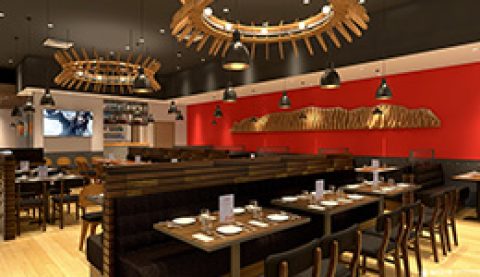
-
Still Have Questions About Opening a Restaurant?
Explore Now

Sylvia
With 8 years in catering & hospitality industry, sales manager of Ron Group, specialise in providing one stop solutions to restaurants, hotels and weddings.
Discover Our Exclusive Products
Explore our extensive range of restaurant and hotel supplies designed to enhance your operations. Find the perfect solutions to meet your needs.
Browse Our ProductsFREE 3D DESIGN
Boost your restaurant's success with our free 3D design service. Start building the restaurant of your dreams today!
Explore 3D Design Case
RECOMMENDED CASES
-
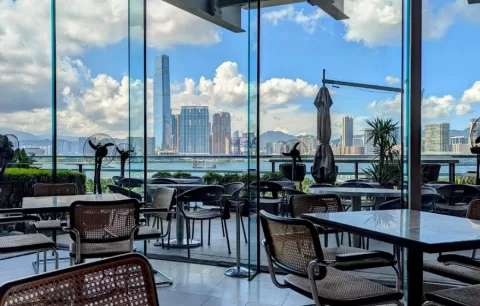
La Rambla by Catalunya: Crafting Barcelona's Soul in Hong Kong - Custom Furniture Excellence
RON Group's custom Spanish-inspired furniture elevates La Rambla with artisanal aesthetics...
Learn More -

Cardinal Point: Elevating Outdoor Seating with Tailored Cushion Upgrades
Discover how Cardinal Point transformed its outdoor dining experience with custom cushions, achievin
Learn More
RECOMMENDED BLOGS
-

Bar Glassware 101: Types, Names, Uses, and How to Stock Your Bar
Learn the 10 core bar glassware types, names, and uses. Discover how to stock your bar with the right glasses for cocktails, beer,...
Sylvia2026-07-26 -
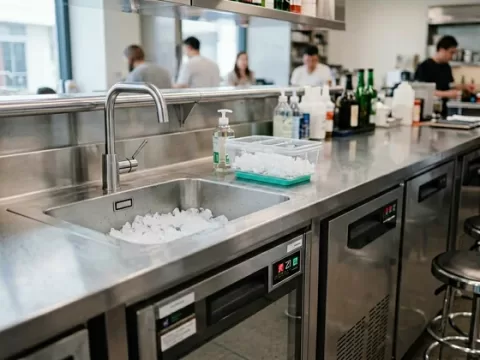
Complete Bar Equipment List for Opening a Bar
Use a complete bar equipment list with pictures, covering workstations, ice, refrigeration, glassware, utilities, sanitation and a...
Sylvia2026-06-11 -

Low-Budget Restaurant Interior Design Ideas: Spend Where Guests and Staff Notice
Explore low-budget restaurant interior design ideas, practical material choices, layout priorities and phased upgrades without...
Sylvia2026-04-04
Subscribe to RON GROUP
Stay up-to-date with the latest industry insights and expert advice. Together, we'll create your ideal restaurant.