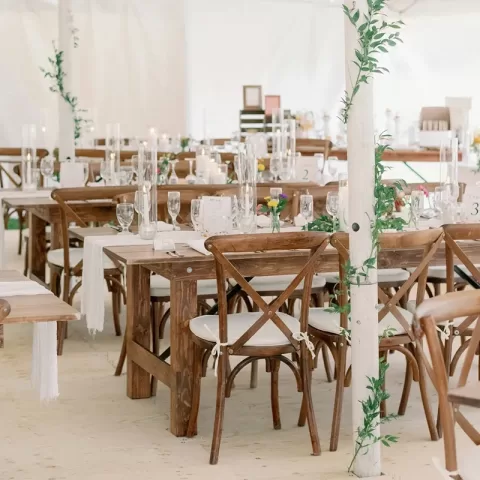

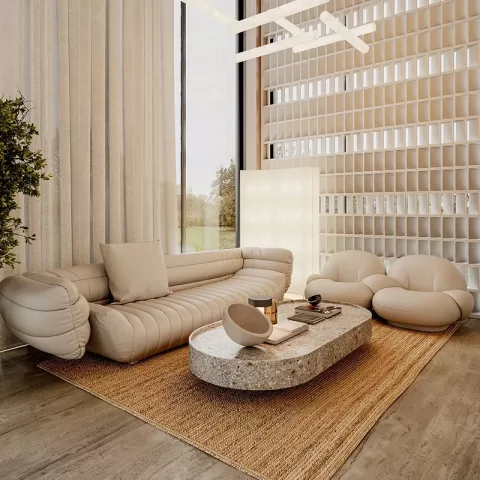

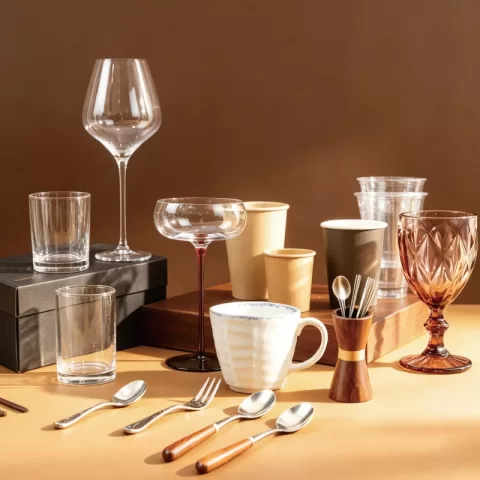
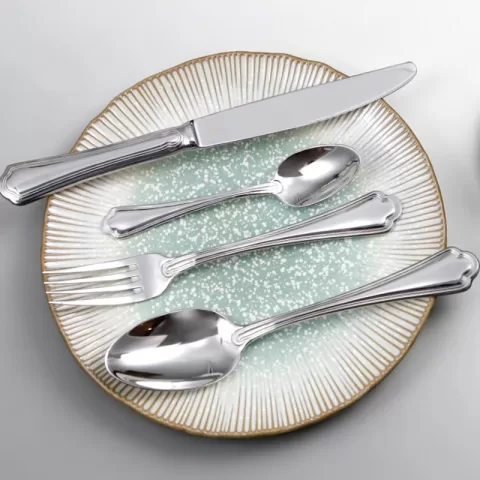
Sourcing Restaurant Equipment from China: How Multi-Unit Operators Cut Capital Expenditure by 65% Without Sacrificing Commercial Durability
Content
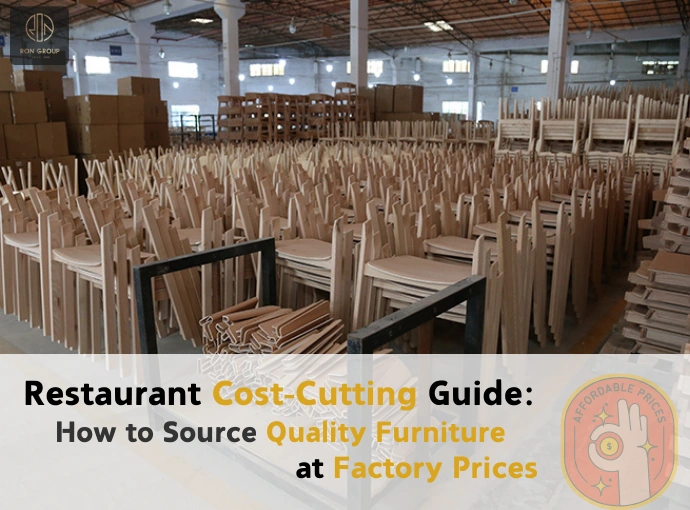
Opening a commercial restaurant in North America, Europe, or Australia involves substantial capital requirements, with initial equipment, furniture, and smallware outlays easily exceeding $400,000 to $900,000. While local commercial equipment dealers offer convenience, their 200% to 350% markups severely deplete opening cash reserves. Sourcing directly from China's premier hospitality manufacturing hub in Foshan allows restaurant groups to capture authentic 65% CapEx savings - provided operators navigate engineering standards, international certifications, and container logistics with precision. Here is the operational playbook used by leading global brands.
The Financial Reality: Why Domestic Equipment Dealers Charge a 300% Premium
When independent restaurateurs or emerging multi-unit operators walk into a domestic commercial restaurant supply showroom, they are paying for a multi-layered distribution chain:
- Regional distributors and showroom real estate overhead
- Brand licensing premiums and broker commissions
- Long inventory carrying costs and financing fees
- Layered sub-dealer markups on imported stainless steel and contract seating
In reality, over 78% of the world's commercial kitchen refrigeration, stainless steel prep tables, induction cooking stations, custom booth seating, and restaurant porcelain originate from specialized industrial clusters in Guangdong Province, China.
By partnering directly with an integrated manufacturing and procurement partner like Ron Group, operators bypass every layer of intermediate markup, securing factory-floor pricing while maintaining rigorous commercial specifications.
A standard 120-seat casual dining restaurant requiring a commercial hot line, refrigeration, prep stations, custom booth seating, dining tables, chairs, and dinnerware typically quotes between $310,000 and $360,000 through domestic dealer networks. Sourcing directly through Ron Group with unified container consolidation delivers the exact commercial specification for $108,000 to $125,000 - a documented net cash savings of approximately 65%.
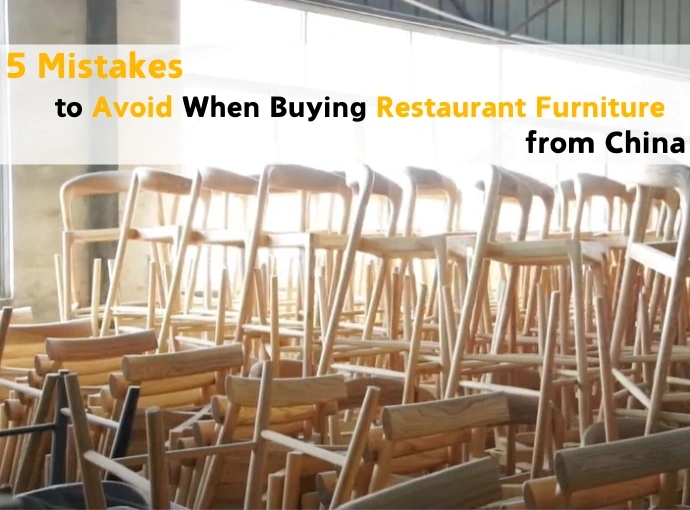
5 Fatal Mistakes to Avoid When Sourcing Equipment and Furniture from China
While the economic upside is immense, inexperienced buyers often suffer costly setbacks by treating cross-border commercial procurement like consumer e-commerce. Avoiding these five structural pitfalls separates successful rollouts from operational nightmares.
1. Buying Residential-Grade Equipment Disguised as Commercial
The most common trap on generic trading portals is purchasing light-gauge items built for residential kitchens rather than heavy commercial hospitality environments:
- Stainless Steel Thickness: Commercial prep tables and sinks must use heavy-duty 16-gauge or 14-gauge (1.2mm to 1.5mm) #304 stainless steel. Unscrupulous suppliers frequently ship 20-gauge (0.8mm) or magnetic #201 stainless steel that rusts when exposed to acidic foods, cleaning detergents, and salt air.
- Foam & Seat Density: Contract booth seating requires high-density molded foam (minimum 45 kg/m3). Low-cost residential factories use recycled 25 kg/m3 sponge that sags and breaks down within four months of commercial service.
2. The CIF Freight Trap and Port Surcharge Scams
Inexperienced buyers often accept cheap "CIF" (Cost, Insurance, and Freight) shipping terms quoted by local Chinese trading agents. What seems like an affordable ocean freight quote turns catastrophic upon arrival at destination ports (such as Los Angeles, Long Beach, Sydney, or Hamburg):
- The foreign forwarder's destination breakbulk agent charges exorbitant "CISF" (China Import Service Fees), destination documentation fees, and warehouse de-vanning penalties totaling $3,000 to $5,000 per Less than Container Load (LCL) shipment.
- The Ron Group Rule: Never ship LCL on CIF terms. Always ship Full Container Load (FCL) directly from the factory, or utilize transparent, door-to-door Delivered Duty Paid (DDP) freight where all customs clearance, harbor duties, and drayage fees are locked in advance without hidden surprises.
3. Electrical and Sanitation Certification Blindspots
Commercial kitchen inspectors and municipal health departments enforce strict statutory codes. Importing uncertified machinery will cause immediate red-tagging and opening delays:
- North America: UL 197 / ETL for electrical safety, NSF/ANSI Standard 2 for food sanitation, and ASME/CSA for gas appliances.
- European Union: CE marking, RoHS compliance, and EN commercial kitchen sanitation directives.
- Australia / New Zealand: WaterMark certification for commercial plumbing and RCM electrical approval.
Ron Group works exclusively with certified export manufacturing lines, ensuring all power ratings, plug configurations, and safety interlocks match regional voltage requirements (110V/60Hz, 208V 3-Phase, or 240V/50Hz).
4. Container Rain and Transit Moisture Damage
A 40-foot high-cube container crosses multiple climate zones during 25 to 35 days at sea, experiencing dramatic temperature swings that cause internal condensation ("container rain"). Non-commercial packaging leads to water-stained carton boxes, moldy leather upholstery, and rusted steel hardware:
- All upholstered furniture must be wrapped in heavy polyethylene moisture-barrier sheeting.
- Carton corners require reinforced structural edge protectors.
- Every container must be loaded with industrial calcium chloride desiccant bags to absorb ambient humidity throughout transit.
5. Managing Fragmented Multi-Vendor Shipments Alone
Procuring kitchen equipment from one factory, dining chairs from a second, table bases from a third, and tableware from a fourth results in logistical chaos. Tracking four independent LCL consignments quadruples customs filing fees, harbor processing charges, and trucking handoffs.
Ron Group operates a dedicated 30,000+ sqm central logistics and quality assurance consolidation center in Foshan. All items - from cooking ranges to custom booths and wine glasses - are inspected, barcode-labeled, and packed into a single unified FCL container under one unified Bill of Lading.
Exploring the Showrooms: Bridging the Distance with Digital Engineering
Modern cross-border procurement no longer requires taking multiple international flights to inspect equipment. High-definition digital engineering, live VR factory walkthroughs, and staged video inspections provide absolute transparency before full production starts.
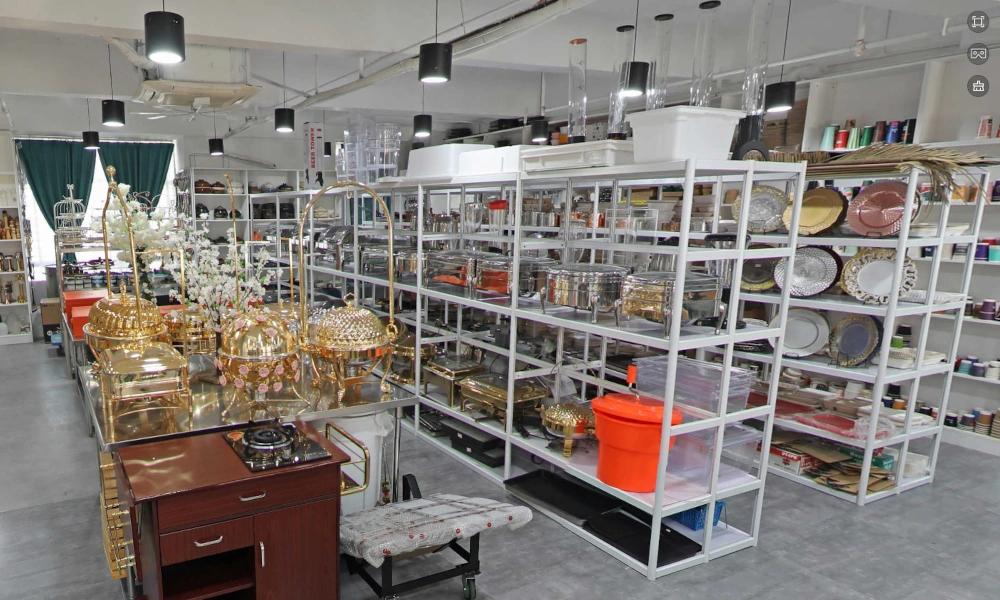
Commercial Kitchen & Buffet Equipment Showrooms
Ron Group maintains expansive live demonstration showrooms displaying:
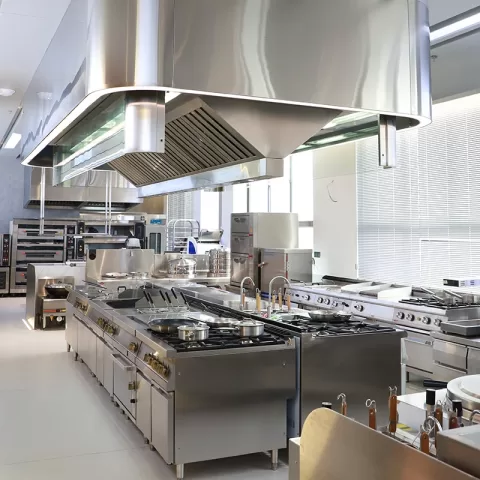
- Heavy-duty modular cooking lines (commercial gas ranges, griddles, deep fryers, and combination ovens)
- Commercial refrigeration units with premium Secop/Embraco compressors and digital temperature controllers
- Custom fabricated stainless steel exhaust hoods, pass-through dishwashing stations, and insulated banquet buffet carts
Commercial Contract Furniture & Booth Seating Showrooms
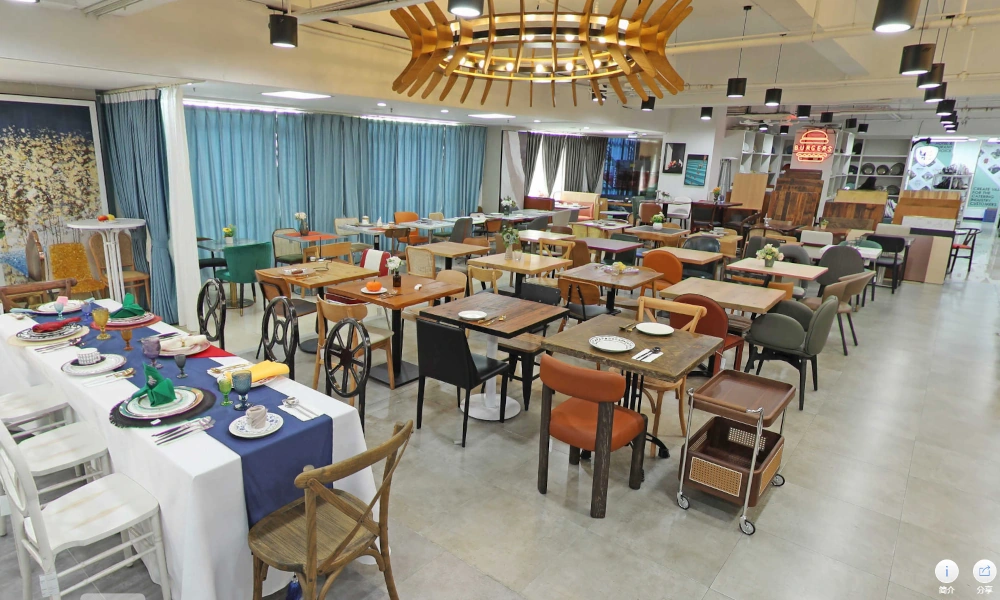
In our specialized contract furniture facility, clients review:
- Full-scale mockups of custom restaurant booth seating, testing seat pitch, lumbar support, and spring construction
- Extensive material sample libraries featuring 200+ commercial vinyls, high-abrasion velvet fabrics (exceeding 50,000 Martindale rubs), and fire-retardant certifications (CAL 117 and BS 5852)
- Heavy-duty cast-iron, stainless steel, and aluminum table bases paired with solid wood, sintered stone, and quartz tops
Where Hospitality Budgets Are Spent: The Capital Allocation Blueprint
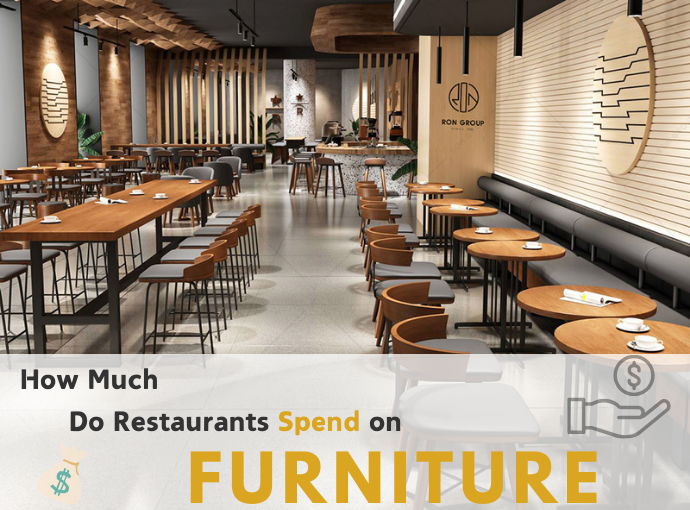
Understanding where capital flows during a commercial fitout allows developers to optimize high-impact line items without compromising structural durability.
| Fitout Department | Typical Local Dealer CapEx | Ron Group Direct Factory Cost | Net Savings Rate |
|---|---|---|---|
| Commercial Kitchen Hot Line & Exhaust | $110,000 - $145,000 | $38,000 - $52,000 | 64% Savings |
| Commercial Refrigeration & Ice Machines | $55,000 - $72,000 | $19,000 - $26,000 | 65% Savings |
| Custom Booth Seating & Banquettes | $48,000 - $65,000 | $16,000 - $22,000 | 66% Savings |
| Dining Tables & Contract Chairs | $42,000 - $58,000 | $14,500 - $19,500 | 66% Savings |
| Tableware, Glassware & Cutlery (OS&E) | $32,000 - $44,000 | $11,000 - $15,000 | 65% Savings |
| Total Outfitting Investment | $287,000 - $384,000 | $98,500 - $134,500 | 65.2% Average Savings |
Quality Assurance: The Staged AQL 2.5 Inspection Standard
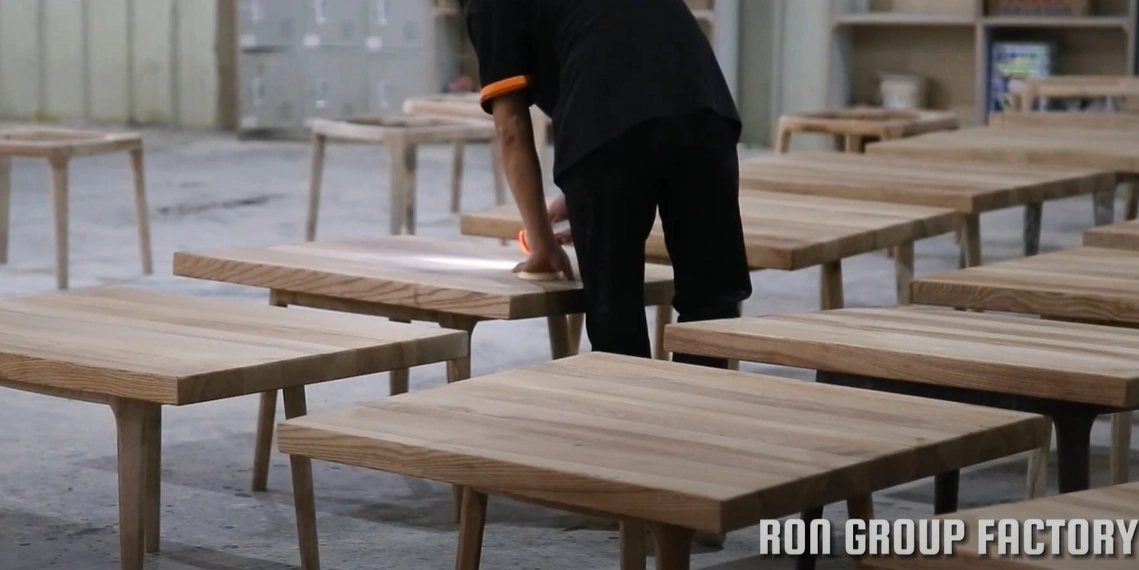
True commercial reliability requires continuous inspection during manufacturing rather than hoping for perfection upon unboxing. Ron Group executes an unyielding multi-stage quality control protocol based on international ISO 2859-1 (AQL 2.5 Major / 4.0 Minor) standards.
Key Inspection Checkpoints Before Container Loading
- Raw Material Verification: Spectrometer alloy testing to verify authentic #304 stainless steel composition; moisture-meter checks on solid wood timbers (ensuring 8% to 12% moisture content to prevent post-delivery cracking).
- Structural Load & Torque Testing: Dynamic cycle testing on dining chairs (100,000+ cycle drop test) and stress testing on table joints to prevent wobble and bolt loosening.
- Electrical & Refrigeration Bench Testing: Continuous 48-hour burn-in testing on all compressors, heating elements, and electronic thermostats under peak load conditions.
- Pre-Shipment Trial Assembly: Full mockup assembly of custom booths, tables, and bar counters inside our facility, photographed from all angles and signed off by the client prior to carton packing.
The 5-Step Turnkey Procurement Roadmap with Ron Group
Submit architectural floor plans. Ron Group engineers optimize kitchen workflow, guest circulation aisles, and electrical/plumbing rough-in coordinates at zero cost.
Confirm stainless steel gauges, compressor brands, fabric fire codes (CAL 117 / BS 5852), and regional electrical standards (UL, NSF, CE, WaterMark).
Receive high-definition video walkthroughs and express courier sample swatches of wood stains, upholstery leathers, and metal finishes for physical validation.
Batch manufacturing under weekly progress photo/video reporting. Full electrical run-in tests and mechanical load tests documented in written QA reports.
All equipment, furniture, and tabletop supplies from multiple production lines are assembled at Ron Group's central Foshan warehouse. Packed tightly with marine-grade dunnage and desiccant bags, your order ships as a single, protected Full Container Load (FCL) directly to your project site.
Summary: Strategic Procurement Is Your Greatest Profit Driver
In an industry where restaurant operating margins average 6% to 10%, overpaying by $200,000 for equipment and furniture before serving a single guest burdens the business with unsustainable debt and extended payback horizons.
By working directly with Ron Group as your China-based hospitality manufacturing office, you retain full control over design customization, lock in verified international quality certifications, and reinvest hundreds of thousands of dollars directly into marketing, culinary talent, and working capital.
Get the week's latest industry information
-
Real-Life Professional Restaurant Case Studies
Explore Now
-
Create a unique restaurant with over 95,700+products
Explore Now
-
Protessional Free 3D Restaurant Design
Explore Now
-
Still Have Questions About Opening a Restaurant?
Explore Now

Sylvia
With 8 years in catering & hospitality industry, sales manager of Ron Group, specialise in providing one stop solutions to restaurants, hotels and weddings.
Discover Our Exclusive Products
Explore our extensive range of restaurant and hotel supplies designed to enhance your operations. Find the perfect solutions to meet your needs.
Browse Our ProductsFREE 3D DESIGN
Boost your restaurant's success with our free 3D design service. Start building the restaurant of your dreams today!
Explore 3D Design Case
RECOMMENDED CASES
-
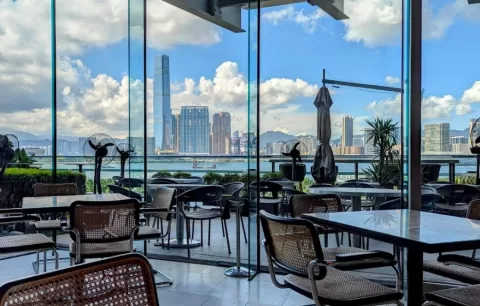
La Rambla by Catalunya: Crafting Barcelona's Soul in Hong Kong - Custom Furniture Excellence
RON Group's custom Spanish-inspired furniture elevates La Rambla with artisanal aesthetics...
Learn More -

Cardinal Point: Elevating Outdoor Seating with Tailored Cushion Upgrades
Discover how Cardinal Point transformed its outdoor dining experience with custom cushions, achievin
Learn More
RECOMMENDED BLOGS
-
Bar Glassware 101: Types, Names, Uses, and How to Stock Your Bar
Learn the 10 core bar glassware types, names, and uses. Discover how to stock your bar with the right glasses for cocktails, beer,...
Sylvia2026-07-26 -
Complete Bar Equipment List for Opening a Bar
Plan a complete commercial bar equipment list by menu, service volume, refrigeration, ice, glassware, utilities, sanitation,...
Sylvia2026-06-11 -
Low Budget Restaurant Interior Design: 2026 Trends
Prioritize a low-budget restaurant interior by protecting code, operations, durability, accessibility, and phased design decisions...
Sylvia2026-04-04
Subscribe to RON GROUP
Stay up-to-date with the latest industry insights and expert advice. Together, we'll create your ideal restaurant.