

The Future of Hospitality Procurement in Australia: Why Restaurants Are Looking Beyond Traditional Suppliers
Content
Executive Summary: The Margin Squeeze on Australian Hospitality
Australia's foodservice and hospitality sector operates within an intense economic paradox. On one hand, consumer demand remains vigorous: Tourism Research Australia reported 8.5 million international trips in the year ending March 2026, generating A$40.9 billion in national economic expenditure.
On the other hand, operating margins have compressed significantly. The Australian Bureau of Statistics recorded a 4.0% increase in dining-out and takeaway prices in the 12 months to June 2026, directly driven by rising food costs, commercial rents, and escalating utilities. Furthermore, the Fair Work Commission enacted an additional 4.75% increase to minimum award wages effective 1 July 2026.
In this environment, procurement is no longer a passive administrative chore. It has become one of the few operational levers where hospitality groups can establish cost predictability, eliminate redundant supplier markups, enforce material specifications, and protect net profits.

EXECUTIVE MANDATE // PROCUREMENT COMPLIANCE AUDIT
Beyond the Binary: The Rise of Hybrid Procurement
Forward-thinking Australian operators are moving past the simplistic "local versus global" debate. The winning model is hybrid procurement: retaining local distributors for urgent consumables and maintenance, while leveraging direct global manufacturing partnerships for new fit-outs, full renovations, and multi-site brand rollouts.
The Limitations of Traditional Single-Channel Sourcing
Local Australian hospitality suppliers fulfill a vital function. When a busy Sydney bistro shatters 30 wine glasses on a Friday evening or a Melbourne cafe requires an emergency replacement water filter, a local stockist is irreplaceable.
However, friction emerges when developers attempt to force an entire multi-category fit-out through fragmented local dealers:
- Compounded Distributor Markups: Every domestic layer (importer, regional wholesaler, local showroom) adds 25% to 40% in margins.
- Catalog Standardization Constraints: Local stockists are restricted by warehouse inventory. Custom wood stains, bespoke booth radii, or corporate metal finishes incur massive surcharges or flat refusals.
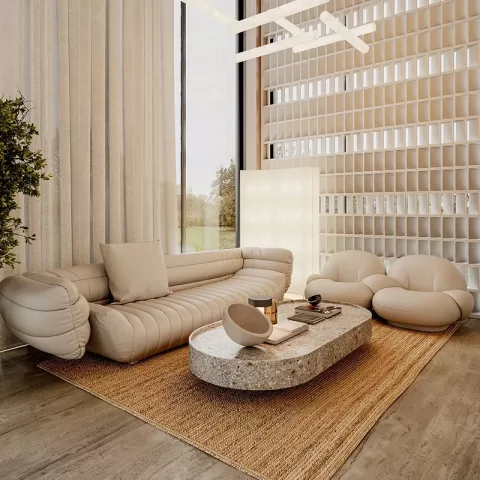
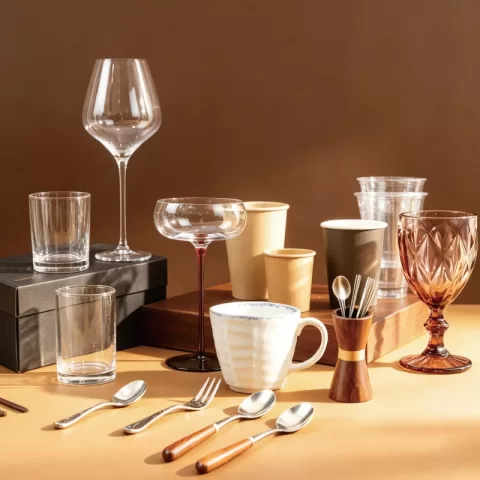
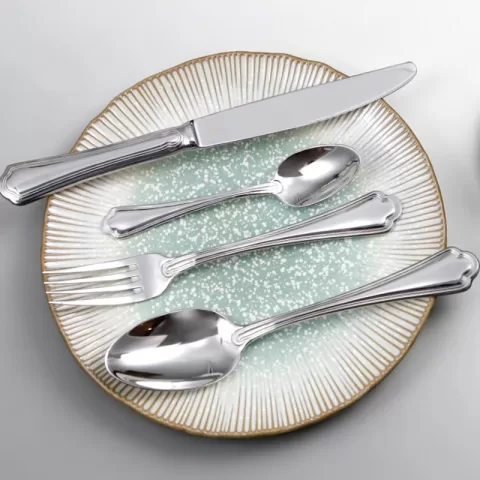
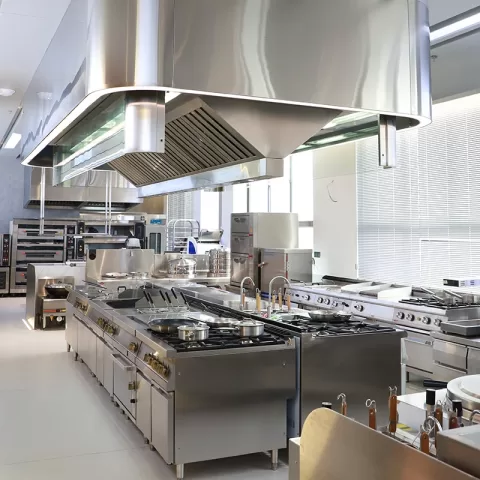
- Fragmented Project Management: Sourcing dining chairs from Vendor A, custom tables from Vendor B, dinnerware from Vendor C, and kitchen refrigeration from Vendor D creates 4 separate contracts, disjointed delivery timelines, and zero single-point accountability.
Sourcing Decision Matrix: Local vs. Global Procurement
Evaluating when to deploy local supply versus when to engage global contract manufacturing requires an objective analysis of project variables:
| Procurement Situation | Local Sourcing Advantage | Global Sourcing Evaluation |
|---|---|---|
| Urgent Replacement | Yes (Immediate local warehouse dispatch) | Usually No (Standard ocean lead times apply) |
| Small Quantities (<20 Units) | Often (No minimum manufacturing run needed) | Sometimes (Consolidation possible with larger orders) |
| Local Installation / Service Dependency | Yes (Local service technicians readily available) | Only with a Clear Local Service Plan |
| Large-Volume Purchasing (100+ Seats) | Compare (Local stock often incurs retail margins) | Often Stronger (Direct factory-floor CapEx savings of 30-50%) |
| Custom Finishes, Dimensions or Branding | Limited (Restricted to off-the-shelf distributor catalogs) | Often Stronger (Complete architectural shop drawing customizability) |
| Multi-Site Brand Rollout (3+ Venues) | Useful for Local Support | Strong (Enforces repeatable, standardized specifications) |
| Multiple Product Categories (FF&E + OS&E) | Can Become Fragmented (10+ separate purchase orders) | Strong (Centrally coordinated single-port consolidation) |
| Project Lead Time Allows Manufacturing (10+ Weeks) | Optional | Stronger Opportunity (Highest overall return on investment) |
Macroeconomic Pressures Shaping Australian Sourcing Decisions
Australian commercial operators are adjusting procurement strategies in direct response to domestic cost pressures:
| Economic Driver | Domestic Operating Reality | Traditional Supplier Bottleneck | Strategic Hybrid Sourcing Solution |
|---|---|---|---|
| Fair Work Wage Rises (+4.75%) | Higher back-of-house labor costs reduce operating margins | Higher local equipment prices compound initial CapEx debt | Upfront procurement savings directly offset first-year wage inflation |
| Supply Chain Freight Volatility | Coastal Australian trucking costs have risen 12% to 18% | Local dealers pass on accumulated inland transport markups | Direct container consolidation (FCL) into Melbourne, Sydney, or Brisbane |
| Bespoke Dining Experience Demand | Diners expect unique architectural spaces, not generic chain decor | Distributor stock offers identical, easily recognizable furniture | Factory-direct customization of fabrics, timber stains, and metal finishes |
| Multi-Site Venue Expansion | Franchise groups expanding across NSW, VIC, and QLD require brand unity | Regional stock discrepancies lead to inconsistent venue appearance | Centralized production runs guaranteeing identical aesthetic quality |
Controlling Risk: The 9-Stage Controlled Procurement Workflow

The primary hazard of international procurement is not geographical distance; it is uncontrolled execution. Sourcing directly from online trading platforms without boots on the ground frequently results in metric confusion, material downgrades, and delayed handovers.
A professional global sourcing partner eliminates these vulnerabilities through a structured 9-stage engineering framework:
| Workflow Stage | Operational Scope | Quality & Risk Governance Mechanism |
|---|---|---|
| 1. Scope & Specification | Translating architectural concepts into detailed shop drawings | Strict CAD review, ANSI/BIFMA load standards, Martindale rub ratings |
| 2. Factory Allocation | Matching product categories to specialized manufacturing facilities | Auditing factory ISO 9001 systems, automated CNC tooling, and kiln dryers |
| 3. Sampling & Mockup | Fabricating physical material swatches and full-room prototypes | Golden sample signed, sealed, and retained as binding contract benchmark |
| 4. Commercial Terms | Negotiating bulk production runs, packaging specs, and lead times | Transparent DDP/FOB landed cost modeling with zero hidden fees |
| 5. Production Monitoring | Weekly on-site progress tracking across factory production lines | High-resolution photo and video logs verified against schedule milestones |
| 6. Quality Inspection (AQL 2.5) | Pre-Shipment Inspection (PSI) on 100% finished and 80% packed goods | Dimensional caliper checks, load tests, Hi-Pot electrical safety testing |
| 7. Foshan Staging & Consolidation | Transferring goods from multiple factories to central export warehouse | Eliminates partial LCL shipments; protects cargo from weather and handling |
| 8. Export Packaging & Container Load | Heavy-duty 5-ply corrugated cartons, edge guards, container bracing | Container Loading Inspection (CLI) verifying dunnage, weight, and bolt seals |
| 9. Destination Delivery & Support | Customs clearance coordination and direct delivery to venue receiving dock | Dedicated post-delivery warranty follow-up and spare parts provisioning |

Ron Group's Australian Track Record: Over 20 Years of Hospitality Delivery
Headquartered in Foshan, Guangdong-the epicentre of global furniture and building material manufacturing-RON GROUP has served international hospitality businesses since 2005.
Our engagement with the Australian market began as early as 2006, delivering comprehensive FF&E packages for landmark dining concepts. Over the past two decades, RON GROUP has successfully executed procurement contracts for boutique cafes, full-scale hotel developments, and celebrated hospitality brands across Australia, including the renowned Hurricane's Grill steakhouse group.
Our commercial value proposition for Australian operators centers on four pillars:
- Comprehensive Scale: Over 95,700 cataloged hospitality products covering furniture, tableware, kitchen equipment, buffetware, and custom architectural millwork.
- Complimentary 3D Spatial Layouts: In-house design teams generating 3D floor plans and rendering integrations before production deposits are placed.
- Physical Factory Inspection Presence: Dedicated QC engineers stationed in Foshan factories enforcing strict AQL 2.5 pass/fail thresholds.
- Turnkey Container Consolidation: Unifying multi-vendor orders into organized, project-sequenced shipping containers delivered directly to your Australian venue.
Frequently Asked Questions (FAQ)
What is hybrid hospitality procurement?
Hybrid procurement is a dual-channel purchasing strategy where hospitality businesses source urgent, low-volume, or service-intensive items from local domestic suppliers, while using global manufacturing partners for volume CapEx investments, custom furnishings, and multi-category fit-outs.
How much can Australian hospitality operators save through global sourcing?
On multi-category projects such as complete restaurant fit-outs (chairs, tables, booths, tableware, kitchen equipment), global factory-direct procurement typically delivers 30% to 50% landed cost savings compared to purchasing imported stock from domestic retail showrooms.
How does Ron Group manage Australian electrical and building compliance?
All equipment and furniture sourced through RON GROUP are engineered to comply with Australian regulatory standards, including RCM / SAA electrical safety approvals for commercial kitchen appliances, and AS/NZS flammability and structural standards for commercial upholstery.
Meet Ron Group at Fine Food Australia 2026
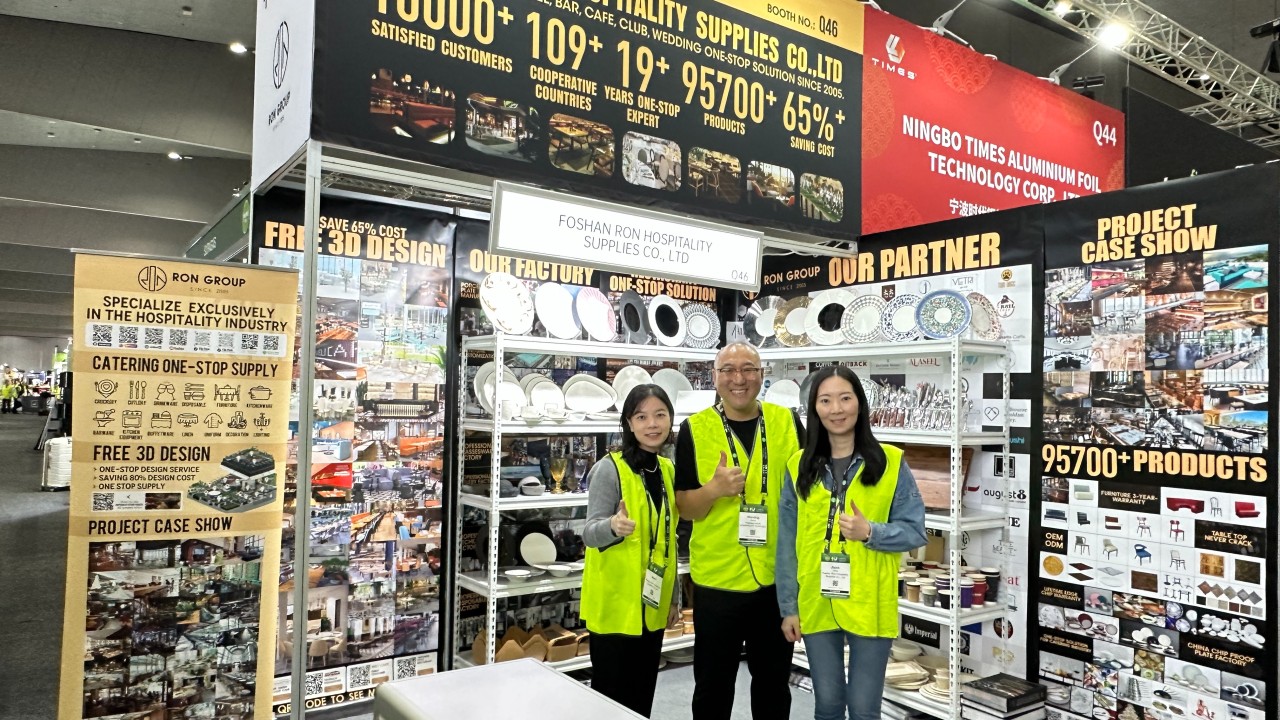
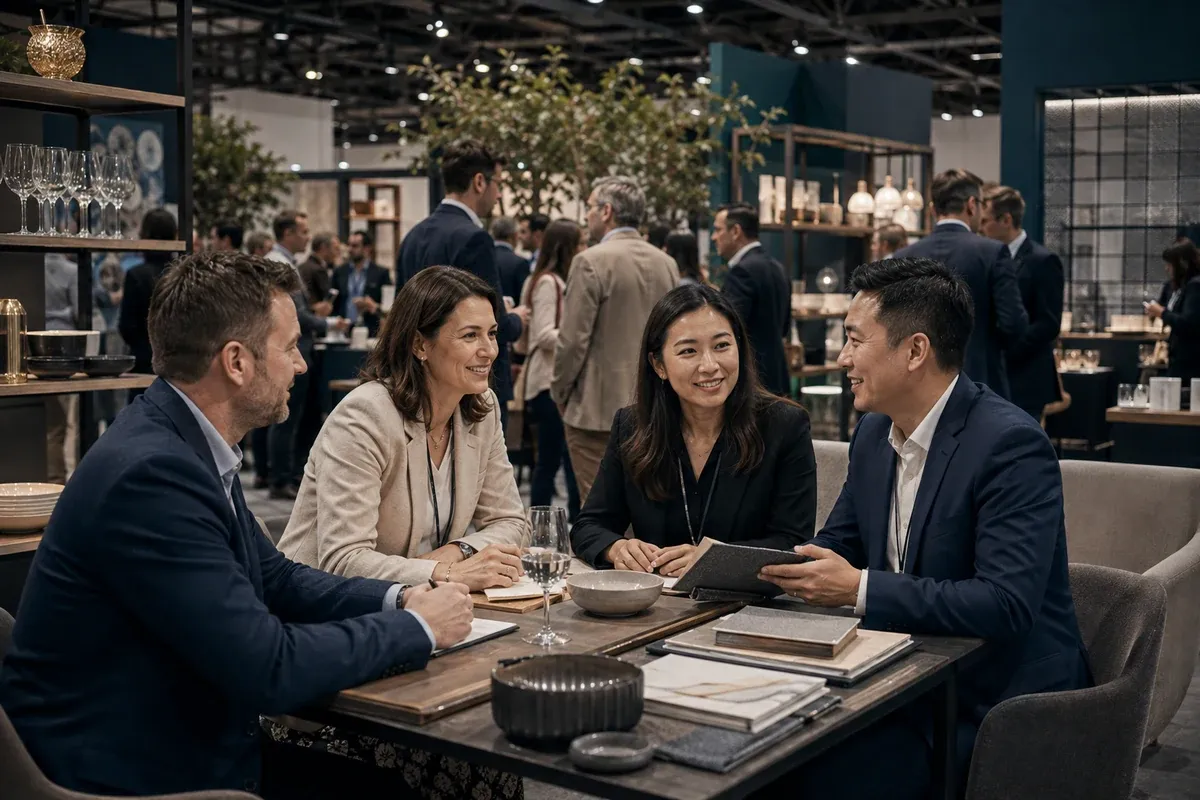
RON GROUP will be exhibiting at Fine Food Australia 2026 at the Melbourne Convention & Exhibition Centre (MCEC) from 31 August to 3 September 2026 at Booth H50.
Whether you are launching a new restaurant, refurbishing a hotel property, or reviewing multi-site supply chains, visit our team to discuss your architectural brief and review commercial material samples in person.
- Explore Ron Group Global Hospitality Projects
- Review Hurricane's Grill Australia Case Study
- Schedule a Procurement Consultation
Original Publication & Source Verification
- Canonical Official URL: https://www.rongroupglobal.com/industry-trends/blog-hospitality-procurement-australia-sourcing-trends-2026.html
- LinkedIn Pulse Article: https://www.linkedin.com/pulse/future-hospitality-procurement-australia-ioedc
- Original LinkedIn Post: https://www.linkedin.com/feed/update/urn:li:activity:7495786938721873920
Get the week's latest industry information
-
Real-Life Professional Restaurant Case Studies
Explore Now
-
Create a unique restaurant with over 95,700+products
Explore Now
-
Protessional Free 3D Restaurant Design
Explore Now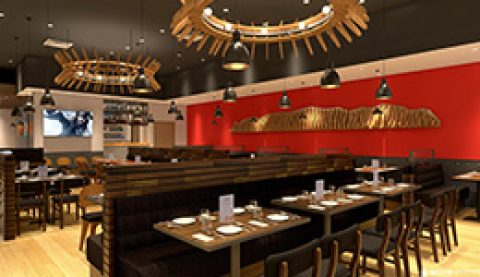
-
Still Have Questions About Opening a Restaurant?
Explore Now

Sylvia
With 8 years in catering & hospitality industry, sales manager of Ron Group, specialise in providing one stop solutions to restaurants, hotels and weddings.
Discover Our Exclusive Products
Explore our extensive range of restaurant and hotel supplies designed to enhance your operations. Find the perfect solutions to meet your needs.
Browse Our ProductsFREE 3D DESIGN
Boost your restaurant's success with our free 3D design service. Start building the restaurant of your dreams today!
Explore 3D Design Case
RECOMMENDED CASES
-
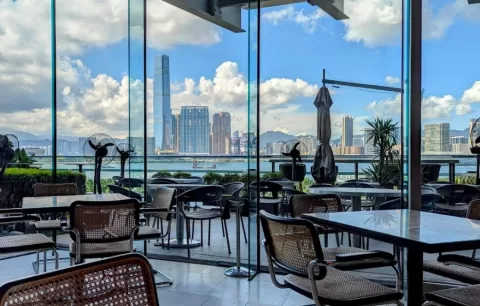
La Rambla by Catalunya: Crafting Barcelona's Soul in Hong Kong - Custom Furniture Excellence
RON Group's custom Spanish-inspired furniture elevates La Rambla with artisanal aesthetics...
Learn More -
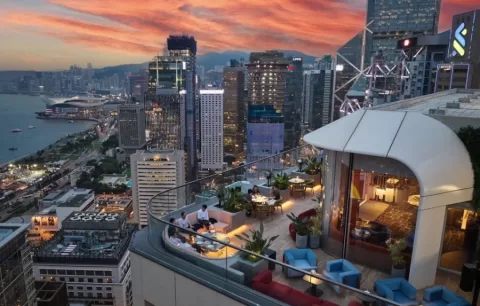
Cardinal Point: Elevating Outdoor Seating with Tailored Cushion Upgrades
Discover how Cardinal Point transformed its outdoor dining experience with custom cushions, achievin
Learn More
RECOMMENDED BLOGS
-

Bar Glassware 101: Types, Names, Uses, and How to Stock Your Bar
Learn the 10 core bar glassware types, names, and uses. Discover how to stock your bar with the right glasses for cocktails, beer,...
Sylvia2026-07-26 -
Complete Bar Equipment List for Opening a Bar
Plan a complete commercial bar equipment list by menu, service volume, refrigeration, ice, glassware, utilities, sanitation,...
Sylvia2026-06-11 -
Low Budget Restaurant Interior Design: 2026 Trends
Prioritize a low-budget restaurant interior by protecting code, operations, durability, accessibility, and phased design decisions...
Sylvia2026-04-04
Subscribe to RON GROUP
Stay up-to-date with the latest industry insights and expert advice. Together, we'll create your ideal restaurant.