


Content
A 1,000-square-foot restaurant that generates $500,000 in annual revenue produces $500 per square foot-outperforming many 3,000-square-foot operations that struggle to clear $150 per square foot. The difference is rarely about foot traffic or menu pricing. It comes down to how intelligently the space is designed. According to industry benchmarks compiled by Toast , full-service restaurants that fail to generate at least $150 per square foot have very little chance of turning a profit. For small restaurants, every square foot either earns its keep or drags down the bottom line. This guide breaks down the furniture choices, layout strategies, and design principles that turn compact spaces into high-performing dining rooms.
TECHNICAL NOTE // KEY ENGINEERING STANDARD
Commercial Engineering Standard: All structural hospitality layouts, commercial furniture frames, and tabletop specifications must comply with BIFMA X5.5 (tables) and BIFMA X5.11 (heavy duty seating) commercial test cycles. High-traffic hospitality venues require commercial-grade engineering to withstand continuous public turnover.
Why Small Restaurants Have a Built-In Advantage
Smaller footprints mean lower rent, reduced utility costs, fewer staff per shift, and tighter quality control over service. A 2024 analysis by the National Restaurant Association found that restaurants under 1,500 square feet consistently report higher profit margins than mid-sized concepts, provided their seating utilization exceeds 70%. The challenge is reaching that utilization rate without making guests feel cramped. That requires a deliberate approach to furniture selection and spatial planning.
The operators who succeed in small spaces share a common strategy: they treat furniture as a revenue tool, not a decorating afterthought. Every table, chair, and banquette is selected based on its footprint, flexibility, and contribution to seating capacity.
Space-Per-Guest Benchmarks: Know Your Numbers
Before selecting a single piece of furniture, you need to understand how much space each guest actually requires. Industry standards from Dimensions.com provide clear guidelines:
| Restaurant Type | Square Feet Per Guest | Includes |
|---|---|---|
| Fine Dining | 20-22 sq ft | Table, seating, aisles, and service clearance |
| Casual Dining | 15-18 sq ft | Table, seating, and standard aisle width |
| Fast Casual | 12-16 sq ft | Compact seating with tighter spacing |
| Booth / Banquette Seating | 8-12 sq ft | Shared walls eliminate chair-back clearance |
| Bar / Counter Seating | 8-10 sq ft | Linear seating with no table footprint |
The takeaway is clear: booth and banquette seating requires roughly half the space per guest compared to traditional freestanding tables and chairs. For a restaurant with only 600 square feet of dining area, switching from all freestanding tables (at 16 sq ft per guest) to a mix of banquettes and bar seating (averaging 10 sq ft per guest) increases capacity from 37 seats to 60 seats-a 62% improvement without adding a single square foot.
The 60/40 Rule: Dining Room vs. Back-of-House
In a small restaurant, the allocation of total square footage between front-of-house (FOH) and back-of-house (BOH) is critical. The widely accepted guideline is a 60% FOH / 40% BOH split . For a 1,000-square-foot restaurant, that means 600 square feet for the dining room, bar, waiting area, and restrooms, and 400 square feet for the kitchen, storage, prep, and office space.
Operators who push past 65% FOH typically end up with kitchens too small to support service during peak hours, creating bottlenecks that slow table turns. Those who allocate more than 45% to BOH sacrifice seating capacity that directly impacts revenue. Audit your current split before making any furniture decisions-if your ratio is off, no amount of clever furniture will solve the underlying problem.
5 Space-Saving Furniture Strategies That Work
1. Banquette and Booth Seating Along Perimeter Walls
Wall-mounted banquettes are the single most effective space-saving furniture solution for small restaurants. Unlike freestanding chairs that require 18-24 inches of clearance behind each seat, banquettes push all seating against the wall, eliminating dead space entirely. A standard banquette requires only 24 inches of seat depth plus 6-8 inches of clearance to the table edge, compared to a freestanding chair setup that consumes 42-48 inches from wall to table edge.
The math is compelling: a 20-foot wall fitted with continuous banquette seating and 24-inch-wide tables can seat 16 guests in the same space that would fit only 8-10 with freestanding tables and chairs. To learn more about choosing the right booth configuration for your concept, read our detailed guide on how to choose restaurant booth seating .
2. Round Tables Instead of Square
This is one of the simplest yet most overlooked changes. A 30-inch round table seats four guests comfortably and occupies 4.9 square feet of floor space. A 30-inch square table also seats four but occupies 6.25 square feet-27% more floor space for the same capacity. Round tables also improve traffic flow because there are no sharp corners blocking aisles, and they create a more social dining dynamic where every guest faces the center.
For a small restaurant replacing 12 square four-tops with 12 round equivalents, the space savings total approximately 16 square feet-enough for two additional two-top tables and four more paying seats per service.
3. Bar and Counter Seating
Counter seating along windows, kitchen-facing bars, or freestanding bar-height tables can add 15-25% more seats without consuming proportional floor space. A 12-foot bar counter with stools spaced 24 inches apart seats six guests in just 24 square feet of floor space (4 sq ft per guest), compared to 96 square feet needed for three standard two-top tables seating the same number.
Bar seating also appeals to solo diners and couples who prefer a more casual, quick-service experience-a growing segment that represents up to 30% of weekday lunch covers in urban markets. Offering a mix of bar and table seating allows you to serve both demographics without wasting space on empty four-tops occupied by parties of one.
4. Stackable and Folding Furniture for Flexible Configurations
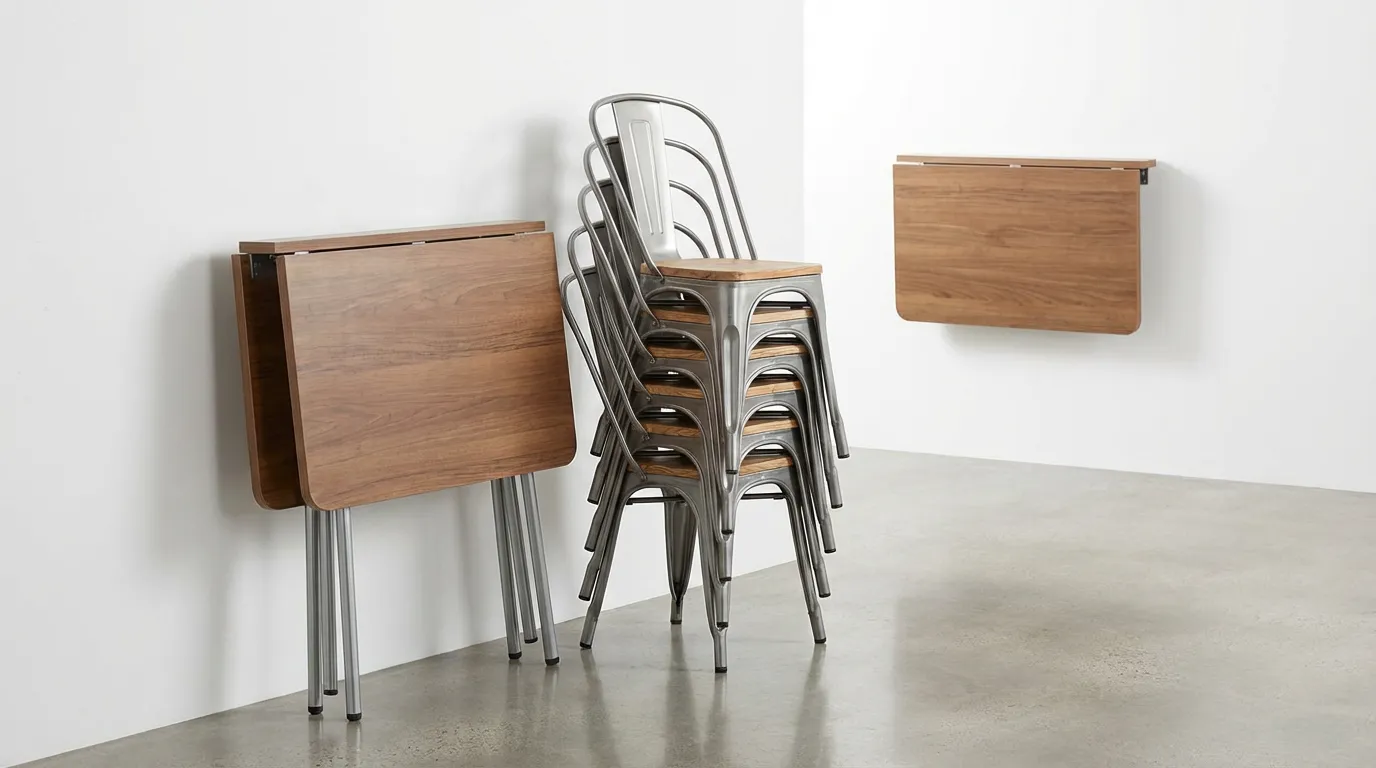
Small restaurants often serve double duty: weekday lunch, weekend brunch, private events, or late-night bar service. Each mode requires a different layout. Stackable chairs and folding tables let you reconfigure the dining room in minutes rather than hours. Commercial-grade stackable chairs store 8-12 high in a 4-square-foot footprint, and folding tables with locking mechanisms provide the stability of fixed tables with the flexibility to clear the floor for events or deep cleaning.
When evaluating stackable options, prioritize chairs rated for commercial use (minimum 300 lb capacity) with floor glides that protect your flooring. Residential-grade furniture may save money upfront but typically fails within 12-18 months under restaurant conditions. Browse RON GROUP's full range of commercial restaurant furniture to find stackable, folding, and space-efficient options built for daily service.
5. Multi-Functional Furniture With Built-In Storage
In a small restaurant, storage competes directly with seating for square footage. Multi-functional furniture solves this by combining both. Banquettes with hinged seats that open to reveal storage compartments can hold table linens, extra menus, seasonal decorations, or cleaning supplies. Window bench seating with under-seat drawers provides the same benefit along exterior walls.
Host stands with built-in shelving, tables with integrated condiment caddies, and bar counters with under-counter storage all reduce the need for separate shelving units, sideboards, or storage closets that eat into your dining room footprint.
Layout Strategies That Maximize Every Square Foot
The Table Mix Formula
Research from Tripleseat shows that the optimal table mix for maximizing revenue is approximately 40% two-tops, 30% four-tops, 20% six-tops, and 10% flexible configurations . This ratio minimizes empty seats during off-peak hours (when most parties are one or two people) while still accommodating larger groups during dinner service.
For a 40-seat restaurant, that translates to:
- 8 two-tops (16 seats) - ideal for couples and solo diners paired together
- 5 four-tops (20 seats) - the workhorse configuration for most party sizes
- 1 six-top (6 seats) - handles larger groups and can be split into two three-tops
- 1 flexible communal table or bar section (6-8 seats) - absorbs overflow and walk-ins
Avoid the common mistake of furnishing primarily with four-tops. A four-top occupied by a two-person party wastes 50% of that table's revenue potential. Two-tops pushed together for larger parties are far more efficient than four-tops sitting half empty.
Traffic Flow and Aisle Width
The minimum aisle width between tables (measured from pushed-in chair back to pushed-in chair back) is 36 inches for main traffic arteries and 18 inches for secondary pathways. ADA compliance requires at least one 36-inch-wide accessible route from the entrance to the seating area, plus a 60-inch turning radius for wheelchair access at any accessible table.
In practice, maintaining 42-48 inches for server pathways reduces collisions, speeds up service, and improves the dining experience. Squeezing tables closer to gain one extra seat often backfires-servers slow down, food temperatures drop between kitchen and table, and guests feel uncomfortable. The revenue from one additional seat rarely offsets the service quality decline across every other table.
Zone Your Floor Plan
Even in a 600-square-foot dining room, creating distinct zones makes the space feel larger and more intentional. Consider dividing the room into:
- Perimeter zone: Banquettes and booths along walls, offering privacy and space efficiency
- Central zone: Freestanding two-tops and four-tops for flexibility and quick turnover
- Bar zone: Counter seating for solo diners, quick service, and beverage-focused guests
- Transition zone: The host stand, waiting area, and pathway between entrance and dining room
Each zone can be differentiated through lighting design -warmer, dimmer lights over banquettes for intimacy, brighter task lighting at the bar for energy, and statement fixtures in the transition zone to create a strong first impression.
Design Tricks That Make Small Spaces Feel Larger
Furniture selection and layout are the foundation, but several design techniques amplify the effect:
- Mirrors: A large mirror on one wall visually doubles the perceived depth of the room. Position mirrors opposite windows to reflect natural light deeper into the space.
- Light color palettes: Walls in white, cream, or light gray reflect more light and make ceilings feel higher. Dark accent walls work in specific zones (like a bar nook) but should not dominate a small dining room.
- Vertical storage and shelving: Wall-mounted shelves, hanging glass racks, and ceiling-suspended pot racks draw the eye upward, creating a sense of height. They also free floor space that would otherwise go to storage cabinets.
- Consistent flooring: Using one flooring material throughout the dining room (rather than transitioning between tile and wood) eliminates visual breaks that make the space feel segmented and smaller.
- Low-profile furniture: Chairs and tables with slim legs and open bases allow sightlines to pass through, making the room feel less cluttered than bulky, solid-base furniture.
Common Mistakes to Avoid in Small Restaurant Design
Oversized Furniture
A 36-inch dining table in a large restaurant is standard. In a small restaurant, it wastes 44% more floor space than a 30-inch table while providing no practical benefit for most menu styles. Match table size to your actual plate and service requirements-most casual concepts need no more than 24-30 inches.
Ignoring the Waiting Area
A small restaurant with no designated waiting space forces guests to stand in the dining room or block the entrance, creating congestion that makes the space feel even smaller. Even a narrow 3-foot-deep area with a slim bench near the entrance provides a buffer that keeps the dining room functional during peak waits.
Uniform Seating Height
When every seat in the restaurant is at the same height, the room feels flat and monotonous. Mixing standard-height tables (30 inches), bar-height tables (42 inches), and counter seating creates visual variety and depth, making the space feel more dynamic and larger than it is.
Blocking Natural Light
Tall booths, bulky curtains, or oversized signage near windows cut off natural light-the most effective free tool for making a small space feel open. Keep window areas clear, use low-profile seating near glass, and consider window-facing counter seating that takes advantage of the view without blocking light transmission into the room.
Putting It All Together: A Sample 800 Sq Ft Layout
Here is how these principles apply to an 800-square-foot casual restaurant (480 sq ft dining, 320 sq ft BOH):
| Zone | Furniture | Seats | Area Used |
|---|---|---|---|
| Perimeter banquettes (2 walls) | L-shaped banquette + 4 round two-tops | 16 | 140 sq ft |
| Center floor | 3 round four-tops (30 diameter) | 12 | 150 sq ft |
| Window bar | 8-foot counter with 4 stools | 4 | 32 sq ft |
| Kitchen bar | 6-seat counter facing open kitchen | 6 | 48 sq ft |
| Waiting area & host stand | Slim bench + compact podium | - | 30 sq ft |
| Aisles & circulation | - | - | 80 sq ft |
| Total | 38 seats | 480 sq ft |
At 38 seats within 480 square feet, this layout achieves approximately 12.6 square feet per guest-well within the casual dining range and significantly more efficient than the industry average of 15-18 square feet per guest. With an average check of $28 and 2.5 turns per service, this 800-square-foot restaurant generates roughly $266 per square foot annually from the dining area alone-well above the $150 profitability threshold.
How RON GROUP Helps You Maximize Your Space
Choosing the right furniture for a small restaurant is not just about finding pieces that fit-it is about engineering a layout where every element works together to maximize seats, streamline service, and elevate the guest experience. With over 20 years of experience outfitting restaurants of every size, RON GROUP understands the unique challenges of compact spaces.
Our catalog includes commercial restaurant furniture specifically selected for space-constrained environments: slim-profile banquettes, stackable commercial chairs, round tables in every standard diameter, bar-height options, and modular configurations that adapt to your service style. Every product is rated for commercial durability with manufacturer warranties.
More importantly, RON GROUP offers a free 3D restaurant design service . Send us your floor plan, and our team will create a to-scale 3D rendering showing optimized furniture placement, traffic flow, seating capacity, and zone configuration. You will see exactly how many guests your space can serve before placing a single order-eliminating guesswork and costly layout mistakes.
Ready to make your small restaurant perform like one twice its size? Contact RON GROUP today for a complimentary space consultation and 3D layout design.
Get the week's latest industry information
-
Real-Life Professional Restaurant Case Studies
Explore Now
-
Create a unique restaurant with over 95,700+products
Explore Now
-
Protessional Free 3D Restaurant Design
Explore Now
-
Still Have Questions About Opening a Restaurant?
Explore Now

Sylvia
With 8 years in catering & hospitality industry, sales manager of Ron Group, specialise in providing one stop solutions to restaurants, hotels and weddings.
Discover Our Exclusive Products
Explore our extensive range of restaurant and hotel supplies designed to enhance your operations. Find the perfect solutions to meet your needs.
Browse Our ProductsFREE 3D DESIGN
Boost your restaurant's success with our free 3D design service. Start building the restaurant of your dreams today!
Explore 3D Design Case
RECOMMENDED CASES
-
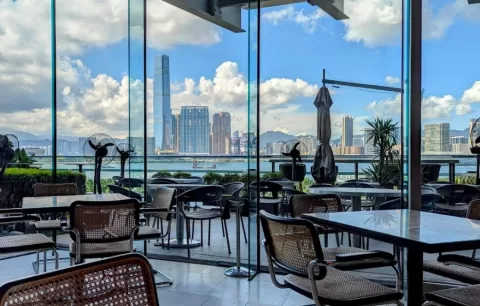
La Rambla by Catalunya: Crafting Barcelona's Soul in Hong Kong - Custom Furniture Excellence
RON Group's custom Spanish-inspired furniture elevates La Rambla with artisanal aesthetics...
Learn More -

Cardinal Point: Elevating Outdoor Seating with Tailored Cushion Upgrades
Discover how Cardinal Point transformed its outdoor dining experience with custom cushions, achievin
Learn More
RECOMMENDED BLOGS
-
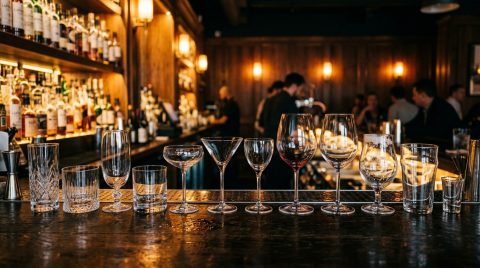
Bar Glassware 101: Types, Names, Uses, and How to Stock Your Bar
Learn the 10 core bar glassware types, names, and uses. Discover how to stock your bar with the right glasses for cocktails, beer,...
Sylvia2026-07-26 -
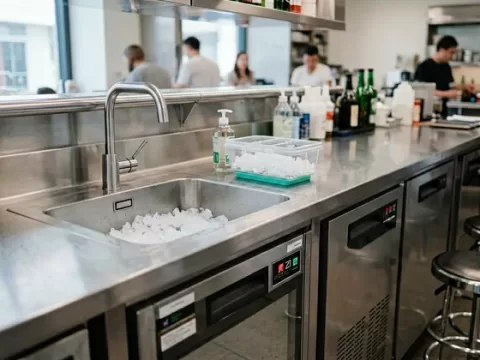
Complete Bar Equipment List for Opening a Bar
Plan a complete commercial bar equipment list by menu, service volume, refrigeration, ice, glassware, utilities, sanitation,...
Sylvia2026-06-11 -
Low Budget Restaurant Interior Design: 2026 Trends
Prioritize a low-budget restaurant interior by protecting code, operations, durability, accessibility, and phased design decisions...
Sylvia2026-04-04
Subscribe to RON GROUP
Stay up-to-date with the latest industry insights and expert advice. Together, we'll create your ideal restaurant.