
Strategic Guide: Deploying Hong Kong-Style Gastronomy Spaces in 2026
Turn your space into a goldmine! Learn how elite Cha Chaan Tengs and fine dining mansions use furniture ergonomics to skyrocket profits and customer loyalty.
Content
Executive Strategic Overview
The global hospitality landscape is witnessing a renaissance of Hong Kong-style gastronomy, a culinary tradition defined as much by its spatial dynamics as by its flavors. For RON Group Global, the deployment of these restaurant concepts—ranging from the high-velocity efficiency of the Cha Chaan Teng to the communal vibrancy of the Dai Pai Dong and the refined elegance of Cantonese fine dining—requires a sophisticated mastery of architectural logic, cultural semiotics, and operational ergonomics.
This report serves as a definitive B2B operational and design manual for 2025. It moves beyond superficial aesthetics to analyze the structural engines that drive profitability and customer satisfaction. By synthesizing ancient Feng Shui principles with cutting-edge trends, we provide a blueprint for deploying spaces that are culturally authentic yet commercially robust.
The following analysis dissects the specific typologies of Hong Kong dining. We examine how room orientation dictates layout, how restaurant furniture selection impacts table turnover, and how the strategic fusion of heritage elements with modern sustainability standards creates distinct market advantages. This document equips RON Group Global clients with the intelligence required to execute world-class restaurant deployments.
Section 1: The Taxonomy of Hong Kong Gastronomic Spaces
To effectively deploy a Hong Kong-style restaurant, one must first deconstruct the monolithic idea of “Hong Kong dining” into its distinct operational typologies. Each type possesses a unique genetic code regarding floor planning, furniture density, and service flow.
1.1 The Neo-Cha Chaan Teng (The Evolved Tea Restaurant)
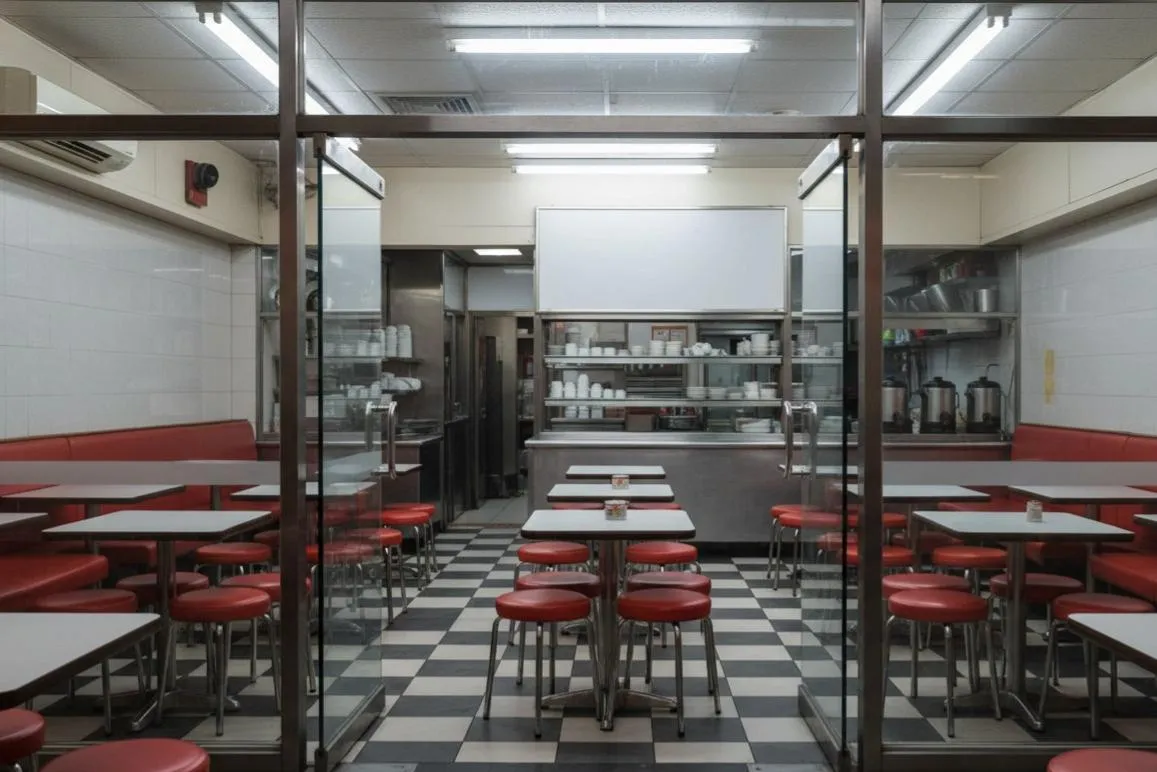
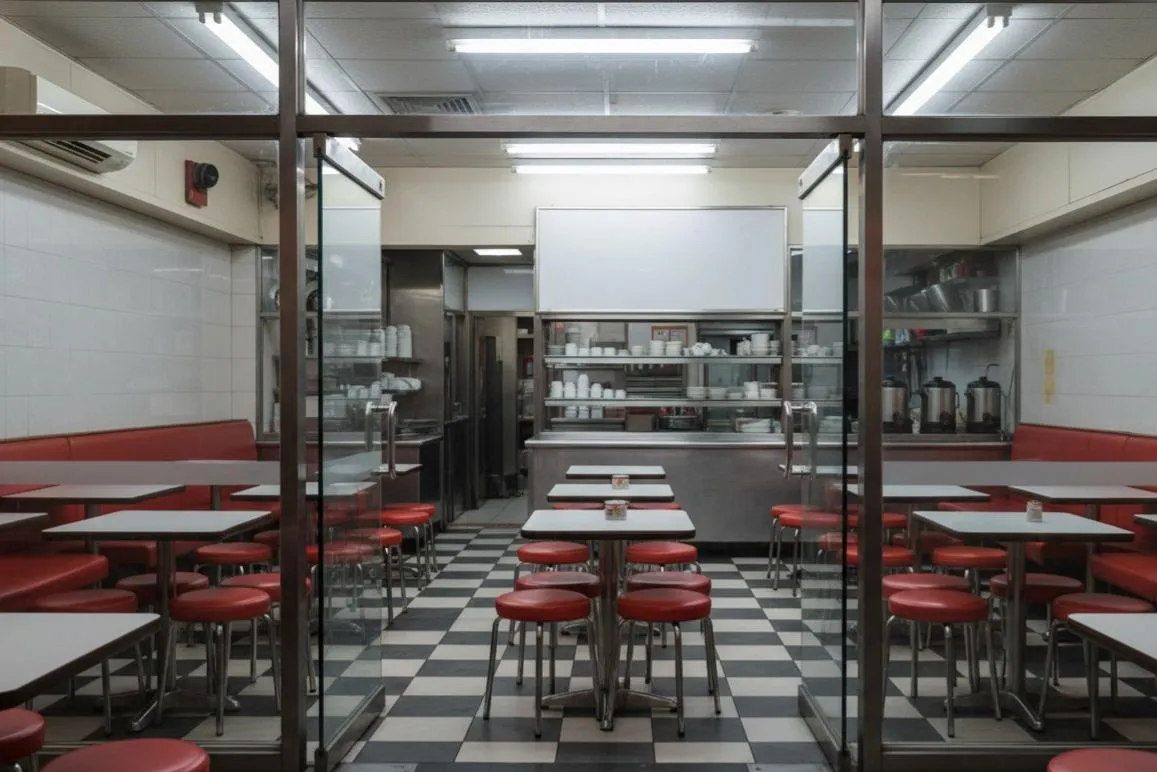
The Cha Chaan Teng is the bedrock of Hong Kong’s culinary identity, emerging in the 1950s as a localized response to Western cuisine. Historically, these were utilitarian spaces designed for speed. However, the 2025 iteration—the Neo-Cha Chaan Teng—retains the nostalgic DNA while elevating material quality, a shift seen in recent modern design interpretations of the Cha Chaan Teng.
Operational Philosophy:
The operational core remains high turnover. The menu is a sprawling mix of Cantonese BBQ and milk tea, necessitating a floor plan that supports rapid table resetting. Unlike its predecessors, the modern iteration balances efficiency with “premium casual” comfort. The goal is to facilitate a 45-minute dining cycle that feels leisurely but operates with military precision.
Spatial Deployment Strategy:
The layout is rigidly geometric, often utilizing a grid system to maximize seat count. The defining feature is the booth (or Ka Wei), which compartmentalizes the dining hall into private vignettes. In 2025, this typology often incorporates “Instagrammable” zones to drive organic marketing. The “Shui Bar” (water bar/tea station) is frequently brought to the front of the house, turning the preparation of milk tea into a theatrical performance that signals authenticity to passersby.
1.2 The Luxury Dai Pai Dong (Indoor Street Theater)
The Dai Pai Dong—literally “big license stall”—is traditionally an open-air food stall characterized by untamed wok heat and a communal atmosphere. As urban redevelopment has limited traditional street stalls, the concept has migrated indoors. The Luxury Dai Pai Dong creates a sanitized simulation of the street experience within the controlled environments of shopping malls and hotels.
Operational Philosophy:
This typology thrives on controlled chaos. The energy must feel kinetic and loud, yet the air must be cool and clean. The menu often features “wok hei” stir-fries and fresh seafood, requiring a layout that can accommodate live tanks and visible cooking stations.
Spatial Deployment Strategy:
Unlike the rigid grid of the Cha Chaan Teng, the Dai Pai Dong layout is organic. Round tables are preferred to facilitate communal sharing. In high-end iterations, such as those found in luxury hotels like the Rosewood, the design mimics the “alleyway” aesthetic using high-end materials—polished concrete instead of asphalt and designer folding chairs instead of cheap plastic—creating a juxtaposition of grit and glamour.
1.3 The Contemporary Dim Sum Parlor
Dim sum dining is a ritual of “Yum Cha” (drinking tea). Traditionally, these were massive, raucous banquet halls. The 2025 trend moves towards the Contemporary Dim Sum Parlor, which is smaller, quieter, and order-based rather than cart-based, ensuring fresher food and higher average checks.
Operational Philosophy:
The shift from carts to made-to-order reduces food waste and allows for a more refined presentation. This operational change impacts the floor plan significantly; aisles can be narrower without carts, allowing for increased seating density. However, table size must remain generous to accommodate the proliferation of steamer baskets, a logistical necessity noted by dim sum operational experts.
Spatial Deployment Strategy:
The layout often centers around a “show kitchen” where chefs can be seen pleating dumplings, emphasizing craftsmanship. Acoustics are a critical consideration; whereas traditional halls are deafening, the modern parlor uses sound-dampening materials and partitioned zones for privacy, creating an atmosphere conducive to business lunches.
1.4 The Cantonese Fine Dining Mansion
This serves as the apex of the hierarchy. These establishments are often designed to resemble grand mansions or private clubs, serving high-end delicacies like abalone and sea cucumber.
Operational Philosophy:
The primary currency here is status and privacy. A significant portion of revenue is generated in Private Dining Rooms (PDRs), which function as sanctums for business deals. Service is invisible and anticipatory.
Spatial Deployment Strategy:
The floor plate is dominated by PDRs, often pushing the main dining room to a secondary role. The geometry of these rooms is critical; they must comfortably house large round tables (1.8m to 2.4m diameter) with ample circulation space for synchronized service. The decor is rich and symbolic, utilizing Feng Shui to project power and prosperity.
Section 2: Architectural Deployment and Spatial Orientation
The physical shell of the restaurant dictates the deployment strategy. In the context of Hong Kong-style dining, spatial orientation is governed by a synthesis of pragmatic architecture and the metaphysical principles of Feng Shui.
2.1 Orientation and Entrance Dynamics
The entrance is the “Qi Mouth” of the restaurant—the primary intake valve for both energy and revenue.
Feng Shui Orientations:
South-Facing: Represents Fire (fame and recognition). For a restaurant driven by the fire energy of cooking, this is highly auspicious.
East-Facing: Represents Wood (growth). Ideal for new concepts or fast-casual brands looking to expand.
North-Facing: Represents Water (career flow). Often cured with wood elements in the foyer to bridge the Water-Fire conflict.
The Transition Zone (The Foyer):
A direct line of sight from the front door to the back door is catastrophic in Feng Shui, causing wealth to rush through without stopping. To mitigate this, fine dining establishments often employ spirit screens to manage energy flow and provide visual privacy for diners.
2.2 Room Geometry and Layout Deployment
The geometric reality of the leased space often forces compromises. Below are layout strategies for common room shapes.
The Rectangular “Shoebox”
Challenge: The “tunnel effect” can make the rear feel dead.
Strategy: Use the “Assembly Line” flow. Place continuous banquettes along long walls to maximize capacity. A central aisle of at least 1.2 meters is essential for efficient kitchen-to-table workflows.
The Square Box
Challenge: The center can feel exposed and “floating.”
Strategy: Create a central focal point—a large round table with a chandelier—to anchor the space. A “Pinwheel” arrangement works well, placing booth seating in the corners and filling the center with round tables.
The L-Shape
Challenge: Blind spots where staff cannot see customers.
Strategy: Use the smaller leg of the “L” for the Back-of-House or Private Dining Rooms. The corner where the two legs meet acts as the “Hinge”—the ideal spot for the main waiter station.
2.3 Kitchen Placement: The “Fire Gate”
Kitchen placement is a Feng Shui imperative. Placing a kitchen in the Northwest (representing the patriarch) is considered “burning heaven,” leading to instability. Ideally, the kitchen should be located in the South or East sectors, adhering to Feng Shui principles regarding kitchen placement to ensure harmony between the elements of fire and water.
Section 3: The Furniture Ecosystem: Selection, Specification, and Ergonomics
Furniture is the primary interface between the customer and the brand. For a deep dive on costs, refer to our guide on how much restaurants spend on furniture.
3.1 The Booth (The “Ka Wei”)
The booth is the workhorse of the Hong Kong cafe. It offers privacy in a high-density environment and encourages a rapid turnover cadence.
Technical Specifications:
Dimensions: 1200mm length for a 2-person bench.
Seat Depth: 450mm - 480mm. Too deep promotes lounging; too shallow is uncomfortable.
Materials: High-Performance Polyurethane (PU) is the 2025 standard. It mimics leather but offers superior durability and breathability.
Deployment: Back-to-back configurations save approximately 15% of floor space compared to loose chairs.
3.2 The Round Table (The Circle of Unity)
For Cantonese dining, the round table is non-negotiable. It facilitates the communal sharing of dishes. When selecting these assets, consider the long-term ROI outlined in our restaurant table selection guide.
The Lazy Susan:
In 2025, the trend for high-end tables is the automated Lazy Susan. These motor-driven units prevent the awkward reaching that disrupts conversation. While tempered glass is standard, luxury venues are moving toward Composite Stone or Thin-Profile Porcelain (e.g., Neolith) for scratch and heat resistance.
3.3 Loose Seating: Stools and Chairs
The Dai Pai Dong Stool:
Modern versions upgrade the traditional wooden design with powder-coated steel legs to resist rust from floor mopping, while retaining solid teak tops for warmth.
The Fine Dining Armchair:
In 2025, the trend is “Chubby Design”—chairs with oversized, rounded proportions. For B2B procurement, fabrics like Crypton-treated Velvet are essential for stain resistance, balancing the need for opulence with commercial durability.
3.4 Table Bases and Surfaces
Bases: Cast iron pedestal bases are crucial for round tables to eliminate knee-knocking legs.
Surfaces: Solid Phenolic (Compact Laminate) is the gold standard for Cha Chaan Tengs due to its waterproof nature. For fine dining, Sintered Stone mimics marble but is non-porous, making it immune to soy sauce stains.
Section 4: Aesthetic Fusion: Harmonizing Heritage with the 2025 Avant-Garde
The RON Group Global client requires a space that feels culturally rooted yet vibrantly modern.
4.1 “Biophilic Cyberpunk”: The 2025 Aesthetic
This trend merges the gritty, neon-soaked aesthetic of 1980s Hong Kong cinema with the wellness-focused trend of Biophilic design in hospitality.
Implementation Strategies:
Neon-Lit Greenery: Install vertical garden walls washed with pink or purple “grow lights.”
Material Contrast: Pair cold materials like stainless steel (Cyberpunk) with warm, natural materials like rattan (Biophilia). This tension creates visual interest.
4.2 “Modern Asian Retro-Fusion”
This style updates the mid-century look of the 1960s Cha Chaan Teng. As noted by leading Asian interior design firms, the key is applying contemporary finishes to traditional forms.
Key Elements:
Mosaic Tiles: Use custom-cut geometric mosaics or terrazzo with large aggregate chips in Sage Green or Terracotta.
Metalwork: Use traditional “collapsible gate” patterns for decorative room dividers finished in brushed brass.
4.3 Lighting Temperature and Ambience
Lighting is the most critical variable in setting the mood.
Cha Chaan Teng: 4000K - 5000K (Cool/Neutral White) to keep energy levels high.
Fine Dining: 2700K (Warm White) with High CRI (>90) to make food look appetizing.
Neon: Used purely as “jewelry.” It should not be the primary light source. Understanding the impact of color temperature on dining ambiance is vital for customer retention.
Section 5: Operational Infrastructure and Technical Systems
A restaurant is a machine. The design must facilitate the mechanics of service.
5.1 The Tea Preparation Area (The “Shui Bar”)
In Hong Kong casual dining, the bar is for tea, not cocktails. It requires massive hot water urns, pellet ice machines, and dedicated filtration. In 2025, the Shui Bar is often brought FOH (Front of House) to showcase the “silk stocking” tea pulling technique.
5.2 Waiter Stations: The Invisible Network
Efficiency dies if servers have to walk to the kitchen for every spoon. Stations should be distributed at a ratio of one per 20-25 seats. Modern integrated server station designs disguise these utilitarian units as antique cabinets or sleek sideboards, incorporating POS terminals and hot water dispensers seamlessly.
5.3 Acoustic Engineering
Cantonese restaurants are notoriously loud. To attract a global B2B clientele, acoustic management is vital. Strategies include suspended ceiling baffles disguised as wooden rafters and applying acoustic foam to the underside of stone tabletops to dampen the clatter of porcelain. This focus on acoustic management in modern restaurant design significantly improves the guest experience.
Section 6: Economic Analysis and Lifecycle Strategy
RON Group Global advises clients based on the Total Cost of Ownership (TCO). For a comprehensive look at procurement savings, review our guide on sourcing restaurant equipment from China.
6.1 Booths vs. Loose Tables: The ROI Calculation
Strategic Recommendation:
For Cha Chaan Tengs, aim for 60-70% Booths. The increase in check average and space efficiency outweighs the lack of flexibility. For Dai Pai Dong or Fine Dining, prioritize loose tables to allow for the dynamic reconfiguration required by large banquet groups.
6.2 Lifecycle and Renovation Strategy
Furniture Lifecycle: Expect to replace 20% of loose chairs annually in high-volume settings. Solid Phenolic tops last 10+ years, while solid wood requires refinishing every 2 years.
Renovation ROI: Data indicates that strategic renovations—specifically updating lighting and upholstery—can yield significant sales increases. Reports on restaurant ROI tactics suggest that “Instagram Moment” renovations offer the highest immediate marketing return for the lowest structural cost.
Section 7: Strategic Recommendations for RON Group Global
To dominate the deployment of Hong Kong-style restaurants in 2025, we recommend the following strategic pillars:
Zone Your Vibe: Create a “Cyberpunk” high-energy zone near windows to attract foot traffic, and a “Luxury” zone with PDRs for high-ticket business.
Feng Shui is a Feature: Market the Feng Shui compliance of the design. It adds a layer of cultural authenticity that competitors often miss.
Invest in “Touchpoint” Quality: Allocate budget disproportionately to what the customer touches—the table edge, the menu cover, the seat foam.
Hybridize for Relevance: Use the aesthetic of the 1960s but the technology of 2025.
By executing on these typologies, spatial strategies, and material specifications, RON Group Global can deliver restaurant deployments that are not merely places to eat, but high-performing cultural assets optimized for the global economy.
Ready to start your project?
Contact RON Group Global today for a consultation on sourcing high-quality furniture and equipment for your next hospitality venture.
Get the week's latest industry information
-
Real-Life Professional Restaurant Case Studies
Explore Now
-
Create a unique restaurant with over 95,700+products
Explore Now
-
Protessional Free 3D Restaurant Design
Explore Now
-
Still Have Questions About Opening a Restaurant?
Explore Now

Sylvia
With 8 years in catering & hospitality industry, sales manager of Ron Group, specialise in providing one stop solutions to restaurants, hotels and weddings.
Discover Our Exclusive Products
Explore our extensive range of restaurant and hotel supplies designed to enhance your operations. Find the perfect solutions to meet your needs.
Browse Our ProductsFREE 3D DESIGN
Boost your restaurant's success with our free 3D design service. Start building the restaurant of your dreams today!
Explore 3D Design Case
RECOMMENDED CASES
-

La Rambla by Catalunya: Crafting Barcelona's Soul in Hong Kong - Custom Furniture Excellence
RON Group's custom Spanish-inspired furniture elevates La Rambla with artisanal aesthetics...
Learn More -

Cardinal Point: Elevating Outdoor Seating with Tailored Cushion Upgrades
Discover how Cardinal Point transformed its outdoor dining experience with custom cushions, achievin
Learn More
RECOMMENDED BLOGS
-
Restaurant Table Spacing and Aisle Clearance: Supplier Drawing Checklist
Check restaurant table spacing, aisle clearance, chair pullout, service path, and supplier drawing proof before approving a...
Sylvia2026-07-20 -

5 Mistakes to Avoid When Buying Restaurant Furniture from China
Don't fall for costly oversights! Learn the 5 mistakes to avoid when buying restaurant furniture from China and ensure a...
 Ron2025-01-079 min read
 -

RON GROUP Launches VR Experience to Explore Our Dynamic Showroom
Discover RON GROUP's VR showroom! Explore dining furniture, tableware, and customized services virtually or visit us in person to...
Sylvia2024-12-163 min read
Subscribe to RON GROUP
Stay up-to-date with the latest industry insights and expert advice. Together, we'll create your ideal restaurant.