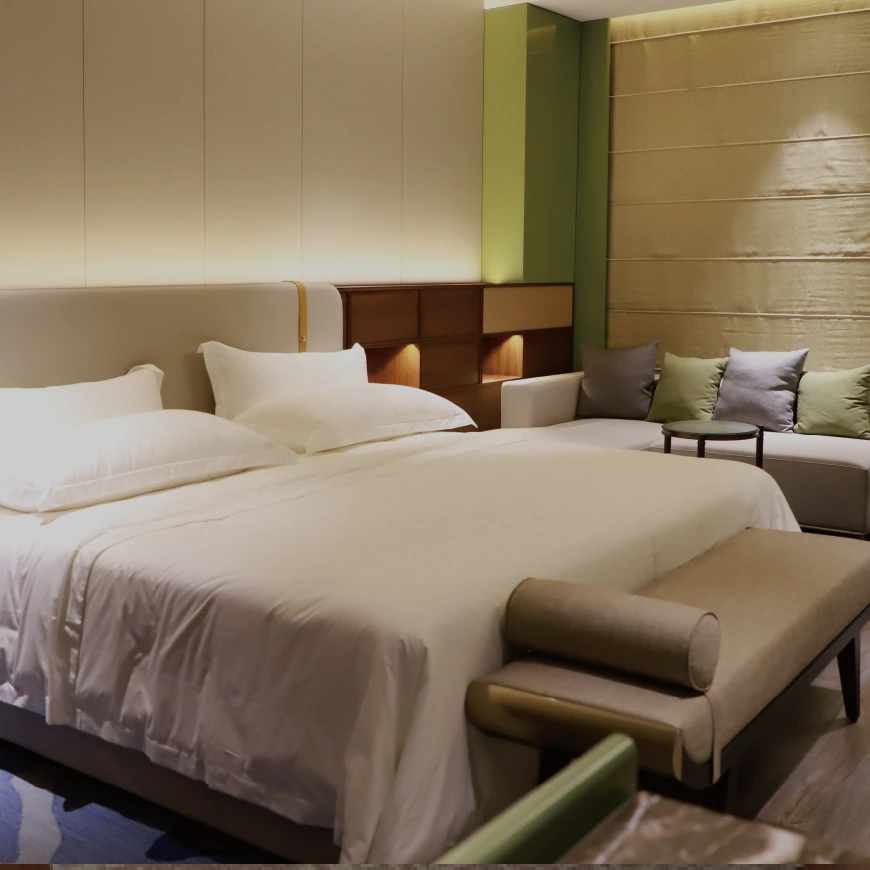


Sustainable Hospitality: How Eco-Friendly Tableware Is Changing the Industry
73% of diners prioritize sustainability. Explore eco-friendly tableware materials, certifications & the business case for hotels and restaurants in 2026.
Content
The Sustainability Shift: Why Eco-Friendly Tableware Is No Longer Optional

The hospitality industry is undergoing a fundamental transformation. What was once a niche preference for eco-conscious diners has become a mainstream demand that directly impacts revenue, brand reputation, and regulatory compliance. In 2026, 73% of consumers consider a restaurant's sustainability practices an important factor when choosing where to eat, according to a Toast survey on restaurant sustainability. For hotels and restaurants still relying on conventional tableware and single-use plastics, the window to adapt is closing fast.
This article examines the data behind the sustainable tableware movement, the materials and certifications driving change, the real cost-benefit analysis operators need to understand, and how forward-thinking establishments are turning green procurement into a competitive advantage.
Consumer Demand: The Numbers That Matter
Sustainability in hospitality has shifted from a marketing buzzword to a revenue driver. The data is unambiguous:
72% of diners say they would pay extra at restaurants that emphasize sustainable practices, with 18% willing to pay a premium of 6–10% per meal.
86% of diners in their 20s express willingness to pay more for sustainable dining options, making this the most sustainability-sensitive demographic in history.
70% of consumers — overwhelmingly led by Gen Z and Millennials — report that a restaurant's commitment to environmental sustainability and zero-waste initiatives significantly influences their spending, according to McKinsey's 2026 consumer insights.
75% of diners prefer eco-friendly restaurants, with many willing to pay extra specifically for sustainable packaging and locally sourced materials.
These numbers carry a clear implication for procurement: the tableware on your tables sends a signal. Chipped melamine plates and Styrofoam takeaway containers are not just an environmental liability — they are a brand liability. Operators investing in sustainable restaurant tableware are positioning themselves to capture spending from the fastest-growing consumer segments.
The Regulatory Landscape: Compliance Is Tightening
Consumer preference is only part of the equation. Governments worldwide are accelerating restrictions on single-use plastics and non-compostable foodservice materials:
United States: States including California and New York have already banned foam containers and are requiring eco-friendly packaging for foodservice operations. Additional states are expected to follow by 2027.
European Union: The EN 13432 industrial compostability standard requires that at least 90% of material breaks down into organic matter within twelve weeks in an industrial composting facility. This standard is increasingly referenced in EU procurement contracts for hotels and institutional catering.
Asia-Pacific: China's expanded plastics ban, which took full effect in 2025, has reshaped supply chains across the region, pushing hospitality operators toward biodegradable and reusable tableware alternatives.
For international hotel chains and multi-location restaurant groups, non-compliance is not a theoretical risk. It means fines, supply chain disruption, and reputational damage. Proactive operators are already working with suppliers who can provide certified, compliant tableware solutions that meet multiple regional standards simultaneously.
Material Innovations Reshaping the Industry
The sustainable tableware market has moved far beyond early-generation biodegradable plates that sacrificed durability and aesthetics. Today's material science offers hospitality-grade solutions across multiple categories:
Recycled and Low-Impact Ceramics
The global ceramic tableware market is projected to grow from USD 95.33 billion in 2025 to USD 156.05 billion by 2035, driven in large part by sustainable manufacturing innovations, according to industry market analysis. Modern ceramic production now incorporates recycled clay, low-temperature firing processes that reduce energy consumption by 15–25%, and lead-free glazes that eliminate toxic runoff. For fine dining and hotel banquet operations, recycled ceramics deliver the visual refinement guests expect while reducing the environmental footprint of each place setting.
Bamboo and Plant-Fiber Composites
Bamboo grows up to 91 cm per day, requires no pesticides, and regenerates without replanting. Bamboo-fiber tableware and serving pieces — particularly for casual dining, buffets, and outdoor hospitality — have achieved durability levels that withstand commercial dishwasher cycles. Plant-fiber composites using sugarcane bagasse, rice husk, and wheat bran are also gaining traction for both durable and disposable applications.
Biodegradable and Compostable Disposables
The biodegradable disposable tableware market is forecast to grow from approximately USD 18.6 billion in 2026 to more than USD 30 billion by 2034. Next-generation materials include mushroom-based mycelium trays, seaweed-based bioplastic films, and bagasse containers that are fully compostable under industrial conditions. For quick-service restaurants, ghost kitchens, and hotel room service, these materials eliminate the plastic waste problem without compromising food safety or presentation.
Recycled Glass and Post-Consumer Materials
Glassware made entirely from post-consumer recycled bottles is now available at commercial scale. Similarly, plates and bowls crafted from upcycled coffee grounds and other food-processing byproducts are entering the market, offering unique aesthetic appeal along with a compelling sustainability narrative that resonates with environmentally conscious guests.
Cost vs. Benefit: The Business Case for Sustainable Tableware
One of the most persistent objections to sustainable tableware is cost. The reality, however, is more nuanced than a simple price-per-unit comparison.
Upfront Investment vs. Lifecycle Savings
Sustainable ceramic and bamboo-composite tableware typically carries a 10–20% premium over conventional alternatives at the point of purchase. However, lifecycle analysis tells a different story:
Durability: High-quality sustainable ceramics often outlast cheaper conventional alternatives by 30–50%, reducing replacement frequency and total cost of ownership over a 3–5 year period.
Waste reduction: Switching from single-use to reusable sustainable tableware can cut packaging waste by up to 30%, translating to lower waste disposal costs. Deposit-based reusable container systems in pilot programs have demonstrated consistent waste and cost reduction.
Minimalist design savings: Simplified, material-efficient designs that are hallmarks of modern sustainable tableware can reduce material costs by 10–15% compared to ornate conventional alternatives.
Revenue Impact
The willingness-to-pay data is critical here. If 72% of your guests would pay more for sustainable dining, and 18% would accept a 6–10% premium, the tableware investment pays for itself through pricing power. A 200-seat restaurant operating at 70% capacity with an average check of $45 could generate an additional $70,000–$120,000 in annual revenue simply by credibly communicating its sustainability commitment — a commitment that starts with what guests see and touch on the table.
Risk Mitigation
The cost of non-compliance with emerging regulations, negative social media exposure from visible waste, or losing a hotel chain contract due to insufficient sustainability credentials can dwarf any tableware premium. For B2B operators, sustainability is increasingly a procurement requirement, not a preference.
Certification and Standards: What Operators Should Demand
Not all "eco-friendly" claims are equal. Greenwashing remains a significant problem in the hospitality supply chain. Operators should require documentation for the following standards when evaluating sustainable tableware suppliers:
EN 13432: The European standard for industrial compostability, requiring 90%+ biodegradation within 12 weeks.
ASTM D6400: The American standard for compostable plastics, specifying biodegradation rates in municipal and industrial composting facilities.
FSC Certification: For wood and bamboo products, Forest Stewardship Council certification ensures responsible forestry practices.
ISO 14001: Environmental management system certification for manufacturers, demonstrating systematic commitment to reducing environmental impact across production processes.
FDA / EU Food Contact Compliance: Regardless of sustainability credentials, all tableware must meet food-contact safety regulations in the applicable market.
Reputable manufacturers maintain transparent documentation for these certifications. RON GROUP, for example, provides full certification traceability across its tableware collections, supporting clients in meeting both sustainability goals and regulatory requirements. Our factory showcase demonstrates the production standards behind every product.
Implementation Strategy: A Phased Approach for Hospitality Operators
Transitioning to sustainable tableware does not require replacing every item overnight. The most successful operators follow a phased procurement strategy:
Phase 1: Audit and Prioritize (Months 1–2)
Conduct a full inventory of current tableware, disposables, and packaging. Identify the highest-volume items and the products with the greatest environmental impact. Prioritize replacing single-use plastics and items approaching end-of-life.
Phase 2: Pilot and Test (Months 3–4)
Source samples of sustainable alternatives for your top-priority items. Test for durability under real operating conditions: commercial dishwasher cycles, stacking in storage, guest handling. Gather staff and guest feedback. For cafe and casual dining operations, this phase is particularly important for evaluating bamboo and plant-fiber options against existing inventory.
Phase 3: Phased Rollout (Months 5–12)
Replace tableware in stages, beginning with the items that deliver the highest visibility and impact. Front-of-house items — plates, bowls, cups — are the most guest-facing and should be prioritized. Back-of-house and storage items can follow.
Phase 4: Communicate and Measure (Ongoing)
Sustainability only drives revenue when guests know about it. Update menus, table cards, and digital channels to highlight your commitment. Track waste reduction, cost changes, and guest satisfaction metrics quarterly. Reviewing case studies from operators who have completed this transition can provide benchmarks and best practices.
How Leading Brands Are Setting the Standard
The shift toward sustainable tableware is not theoretical. Major hospitality brands are already deep into implementation:
Marriott International has eliminated single-use plastic straws and stirrers across all 7,000+ properties and is progressively replacing disposable tableware with sustainable alternatives in its food and beverage operations.
IKEA Food transitioned all its restaurant and bistro operations to plant-based and sustainably sourced tableware, reporting measurable reductions in both waste and cost.
Sweetgreen pioneered fully compostable bowls and packaging, building sustainability into its core brand identity and attracting a loyal customer base willing to pay premium prices.
For independent restaurants, boutique hotels, and regional chains, the path is the same — scaled to operation size. The competitive advantage goes to those who move first, as the National Restaurant Association continues to rank sustainability among the top macro trends shaping the industry.
The Supply Chain Factor: Why Sourcing Strategy Matters
Sustainable tableware procurement is not just about choosing the right product — it is about choosing the right supply partner. Key considerations include:
Vertical integration: Suppliers who control manufacturing (rather than simply trading) can provide better quality assurance, certification documentation, and customization options.
Product breadth: The ability to source sustainable tableware, cafe supplies, kitchen equipment, and furniture from a single supplier reduces logistics complexity and carbon footprint from shipping.
Customization capability: Hotels and restaurant groups increasingly require custom branding, specific colorways, and bespoke designs that align with their sustainability messaging.
Volume and consistency: With over 95,700 products and two decades of experience serving clients including Burger King, Sofitel, and W Hotel, RON GROUP understands that sustainable procurement must also be reliable procurement — consistent quality and supply at scale.
Looking Ahead: What 2027 and Beyond Will Demand
The trajectory is clear. The global biodegradable packaging market is expected to reach $20.6 billion by 2026, growing at a CAGR of 14.3%, according to Standard Restaurant Supply's industry analysis. Regulatory pressure will only increase. Consumer expectations will continue to rise. And the cost of sustainable materials will continue to decrease as production scales up and manufacturing processes mature.
Operators who invest in sustainable tableware now are not just meeting current demand — they are future-proofing their operations against a market that will make sustainability non-negotiable within the next two to three years.
Take the Next Step
Whether you are a hotel group evaluating tableware for a new property, a restaurant chain seeking compliant disposable alternatives, or an independent operator looking to differentiate on sustainability, the path forward starts with the right supply partner.
RON GROUP offers a comprehensive range of sustainable tableware solutions backed by full certification documentation, competitive B2B pricing, and the production capacity to support operations of any scale. Contact our team to discuss your sustainable tableware requirements, request samples, or schedule a consultation with our hospitality supply specialists.
Get the week's latest industry information
-
Real-Life Professional Restaurant Case Studies
Explore Now
-
Create a unique restaurant with over 95,700+products
Explore Now
-
Protessional Free 3D Restaurant Design
Explore Now
-
Still Have Questions About Opening a Restaurant?
Explore Now

Sylvia
With 8 years in catering & hospitality industry, sales manager of Ron Group, specialise in providing one stop solutions to restaurants, hotels and weddings.
Discover Our Exclusive Products
Explore our extensive range of restaurant and hotel supplies designed to enhance your operations. Find the perfect solutions to meet your needs.
Browse Our ProductsFREE 3D DESIGN
Boost your restaurant's success with our free 3D design service. Start building the restaurant of your dreams today!
Explore 3D Design Case
RECOMMENDED CASES
-

La Rambla by Catalunya: Crafting Barcelona's Soul in Hong Kong - Custom Furniture Excellence
RON Group's custom Spanish-inspired furniture elevates La Rambla with artisanal aesthetics...
Learn More -

Cardinal Point: Elevating Outdoor Seating with Tailored Cushion Upgrades
Discover how Cardinal Point transformed its outdoor dining experience with custom cushions, achievin
Learn More
RECOMMENDED BLOGS
-
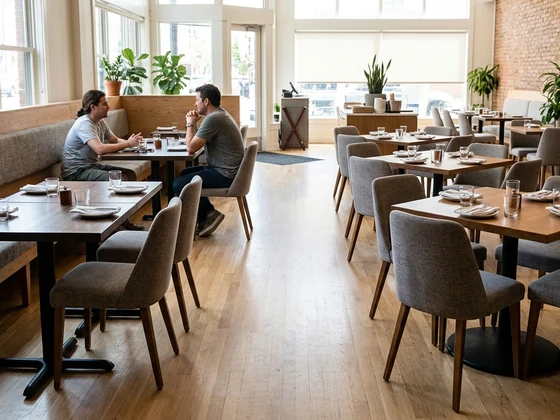
Restaurant Table Spacing and Aisle Clearance: Supplier Drawing Checklist
Check restaurant table spacing, aisle clearance, chair pullout, service path, and supplier drawing proof before approving a...
Sylvia2026-07-20 -

5 Mistakes to Avoid When Buying Restaurant Furniture from China
Don't fall for costly oversights! Learn the 5 mistakes to avoid when buying restaurant furniture from China and ensure a...
 Ron2025-01-079 min read
 -

RON GROUP Launches VR Experience to Explore Our Dynamic Showroom
Discover RON GROUP's VR showroom! Explore dining furniture, tableware, and customized services virtually or visit us in person to...
Sylvia2024-12-163 min read
Subscribe to RON GROUP
Stay up-to-date with the latest industry insights and expert advice. Together, we'll create your ideal restaurant.