




Content
Restaurant Booth Upholstery Materials: Procurement Guide for Durable Booth Fabrics
Guests see the booth upholstery first and touch it most. A home sofa might be used two to four hours a day. A restaurant booth gets 12 to 16 hours of sliding, leaning, and spills, plus disinfectant several times a shift. Ordinary furniture fabric starts to pill, crack, or split in a few months under that.
This guide covers how to choose restaurant booth upholstery fabric for commercial use: the main material types, the tests worth asking for, which fabrics are easiest to disinfect, and what belongs in the purchase order.
What booth fabrics have to survive
- Abrasion from denim, rivets, zips, and belts every time someone slides in
- Food and drink: oil, wine, coffee, sauces
- Repeated wiping with chlorine bleach solutions, quaternary ammonium (quat) sanitizers, or alcohol
- Heat and humidity, which break down some polyurethane coatings over time (hydrolysis)
- Fire codes, which apply to the whole upholstered build, not just the cover
The main booth upholstery materials
| Material | Where it works | What to watch |
|---|---|---|
| Contract vinyl (PVC-coated fabric) | High-turnover dining, QSR, food halls | Grade varies widely. Ask for abrasion, hydrolysis, and cleaning data, not just a sample book |
| Silicone-coated fabric | High-turnover dining and venues with heavy sanitizing | Higher cost. Check the backing and seam strength as well as the surface |
| Polyurethane (PU) coated fabric | Casual and mid-range dining | Polyester-based PU can hydrolyze and peel. Ask for polycarbonate or polyether PU and the hydrolysis result |
| PU microfiber | Upscale casual, hotel F&B | Feels close to leather and tolerates regular alcohol and disinfectant wiping if it is a commercial grade |
| Woven performance textiles | Lounges, fine dining, hotel restaurants | Need a stain-release finish and a moisture barrier. Cleaning is slower than wiping a coated fabric |
| Leather | Premium dining and bars | Needs leather-safe cleaners. Strong alcohol and bleach damage it |
For most operators running a busy floor, a coated fabric (contract vinyl, silicone, or a commercial PU microfiber) is the practical choice. Woven textiles look softer and absorb sound better, but they need more care.
Abrasion: Martindale and Wyzenbeek
There are two main rub tests, and their numbers do not convert directly.
- Martindale (ISO 12947-2) moves the abradant in a figure-eight pattern and reports cycles. It is used in Europe, the UK, Australia, and most of Asia.
- Wyzenbeek (ASTM D4157) rubs back and forth and reports double rubs. It is the common test in the US and Canada.
As a starting point for booths:
| Venue type | Martindale | Wyzenbeek (double rubs) |
|---|---|---|
| Full-service restaurant, cafe | 50,000+ | 40,000+ |
| High-turnover casual, QSR, food court | 80,000 to 100,000+ | 60,000+ |
| Bars, airports, 24-hour venues | 100,000+ | 100,000+ |
Domestic upholstery is usually rated 15,000 to 25,000 Martindale. Our standard booth coverings are rated 100,000+ on both tests. Whatever the number, make sure the report names the fabric you are actually buying.
Coated fabrics and hydrolysis
The most common complaint we hear about cheap imported seating is a surface that turns sticky, blisters, and flakes after a few months. That is usually hydrolysis in a polyester-based PU coating, sped up by heat, humidity, and repeated disinfectant wiping.
Ask for results from the tropical (jungle) test under ISO 1419, which ages the coating in hot, humid conditions. Ask how many weeks the material passed, not just whether it "passed." Polyether and polycarbonate PU coatings last far longer than polyester PU. For vinyl-coated upholstery fabrics, ASTM D3690 is the US performance specification to reference.
Which fabric is easiest to disinfect?
Non-porous coated fabrics are the easiest. Silicone-coated fabric and contract-grade vinyl can be wiped down with diluted bleach or quat sanitizers without liquid soaking into the cushion, and a commercial-grade PU microfiber will tolerate regular wiping with 75% alcohol and dilute disinfectant. Woven textiles are the hardest to disinfect properly. They need a moisture barrier underneath and a fiber and finish rated for bleach cleaning.
A few practical points:
- Use the cleaning method and dilution the fabric maker approves. A coating that tolerates diluted bleach may still be damaged by stronger mixes or by solvent cleaners.
- Wipe sanitizer residue off with clean water if the maker recommends it. Residue build-up is what tends to stiffen and crack coatings.
- Seams and welts trap dirt. A design with fewer seams is easier to keep clean than the fabric choice alone.
Seams, edges, and details
Many booth upholstery failures start at the details rather than the fabric.
- Welt cord on the front seat edge takes most of the sliding friction and can wear through in months. A waterfall front edge spreads the wear.
- Deep buttons can be pulled out by guests leaning back and they collect dust. Channel or moulded tufting gives a similar look without buttons.
- A crumb gap between seat and back (we use a 25 mm continuous slot) stops debris building up in the crease.
- Double-needle seams resist splitting better than single rows.
Our commercial booth pain points and solutions page covers these failures by market (US, Australia, and APAC) and the specification changes that fix them.
What sits under the fabric
The cover fabric can't do much if the cushion underneath collapses. Low-density or rebonded scrap foam (around 20 to 25 kg/m³) feels firm on delivery and dishes out within months. The fabric wrinkles and the seams get pulled. We specify 45 to 55 kg/m³ virgin cold-cure high-resilience foam for booth seats; our booth foam density and fatigue testing guide explains how to verify it under ASTM D3574.
Fire compliance is also tested on the full build: cover, fire barrier, foam, and adhesive together. In the US, upholstered seating falls under 16 CFR Part 1640 (TB 117-2013) and needs a permanent compliance label. Some public venues also need CAL 133 (ASTM E1537) testing. UK projects usually specify BS 5852 Crib 5, and Australian certifiers often ask for AS/NZS 1530.3. If you change the fabric, the fire documents may need to change too. Our CAL 117 booth flammability guide goes into the label and barrier requirements.
Colour and dye lots
Approve colour from a physical swatch or strike-off under lighting similar to the restaurant's, not from a screen. Order the full quantity from one dye lot where possible, and keep extra yardage from the same lot for repairs and the reupholstery that comes a few years in.
Booth fabric specification checklist
Put these in the PO or fabric schedule:
- ☐ Material type and supplier reference for each booth fabric
- ☐ Abrasion result: Martindale (ISO 12947-2) or Wyzenbeek (ASTM D4157), with the report naming that fabric
- ☐ Hydrolysis result for PU and coated fabrics (ISO 1419), in weeks passed
- ☐ Approved cleaning and disinfecting method and dilution, in writing
- ☐ Fire test reports for the full composite to the code that applies on site
- ☐ Permanent US flammability label where required
- ☐ Foam density and grade under the fabric
- ☐ Seam, edge, and tufting details on the shop drawing
- ☐ Single dye lot, plus spare yardage
Choosing a booth style
Once the fabric is chosen, the booth style decides how much of it is exposed to wear. Channel backs, smooth backs, and tufted styles all behave differently. Browse our commercial booth catalog for 16 contract booth models with frame, foam, and fire specifications for each.
To get fabric swatches or a booth quote, email info@rongroup.co or call / WhatsApp +86 13380258855.
Get the week's latest industry information
-
Real-Life Professional Restaurant Case Studies
Explore Now
-
Create a unique restaurant with over 95,700+products
Explore Now
-
Protessional Free 3D Restaurant Design
Explore Now
-
Still Have Questions About Opening a Restaurant?
Explore Now

Sylvia
With 8 years in catering & hospitality industry, sales manager of Ron Group, specialise in providing one stop solutions to restaurants, hotels and weddings.
Discover Our Exclusive Products
Explore our extensive range of restaurant and hotel supplies designed to enhance your operations. Find the perfect solutions to meet your needs.
Browse Our ProductsFREE 3D DESIGN
Boost your restaurant's success with our free 3D design service. Start building the restaurant of your dreams today!
Explore 3D Design Case
RECOMMENDED CASES
-
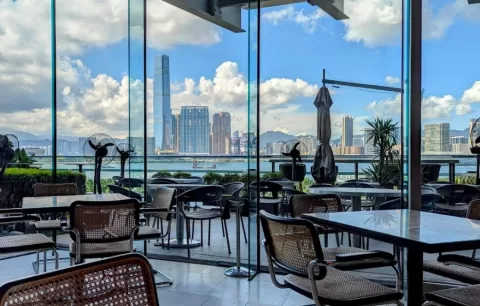
La Rambla by Catalunya: Crafting Barcelona's Soul in Hong Kong - Custom Furniture Excellence
RON Group's custom Spanish-inspired furniture elevates La Rambla with artisanal aesthetics...
Learn More -

Cardinal Point: Elevating Outdoor Seating with Tailored Cushion Upgrades
Discover how Cardinal Point transformed its outdoor dining experience with custom cushions, achievin
Learn More
RECOMMENDED BLOGS
-
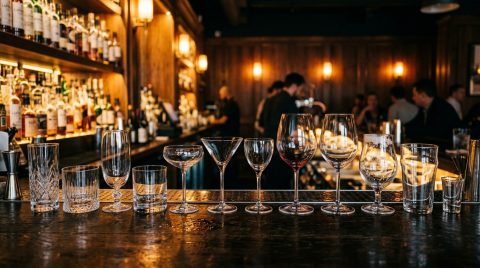
Bar Glassware 101: Types, Names, Uses, and How to Stock Your Bar
Learn the 10 core bar glassware types, names, and uses. Discover how to stock your bar with the right glasses for cocktails, beer,...
Sylvia2026-07-26 -
Complete Bar Equipment List for Opening a Bar
Plan a complete commercial bar equipment list by menu, service volume, refrigeration, ice, glassware, utilities, sanitation,...
Sylvia2026-06-11 -
Low Budget Restaurant Interior Design: 2026 Trends
Prioritize a low-budget restaurant interior by protecting code, operations, durability, accessibility, and phased design decisions...
Sylvia2026-04-04
Subscribe to RON GROUP
Stay up-to-date with the latest industry insights and expert advice. Together, we'll create your ideal restaurant.
Contact Us Today
Connect With Us Today