




Content
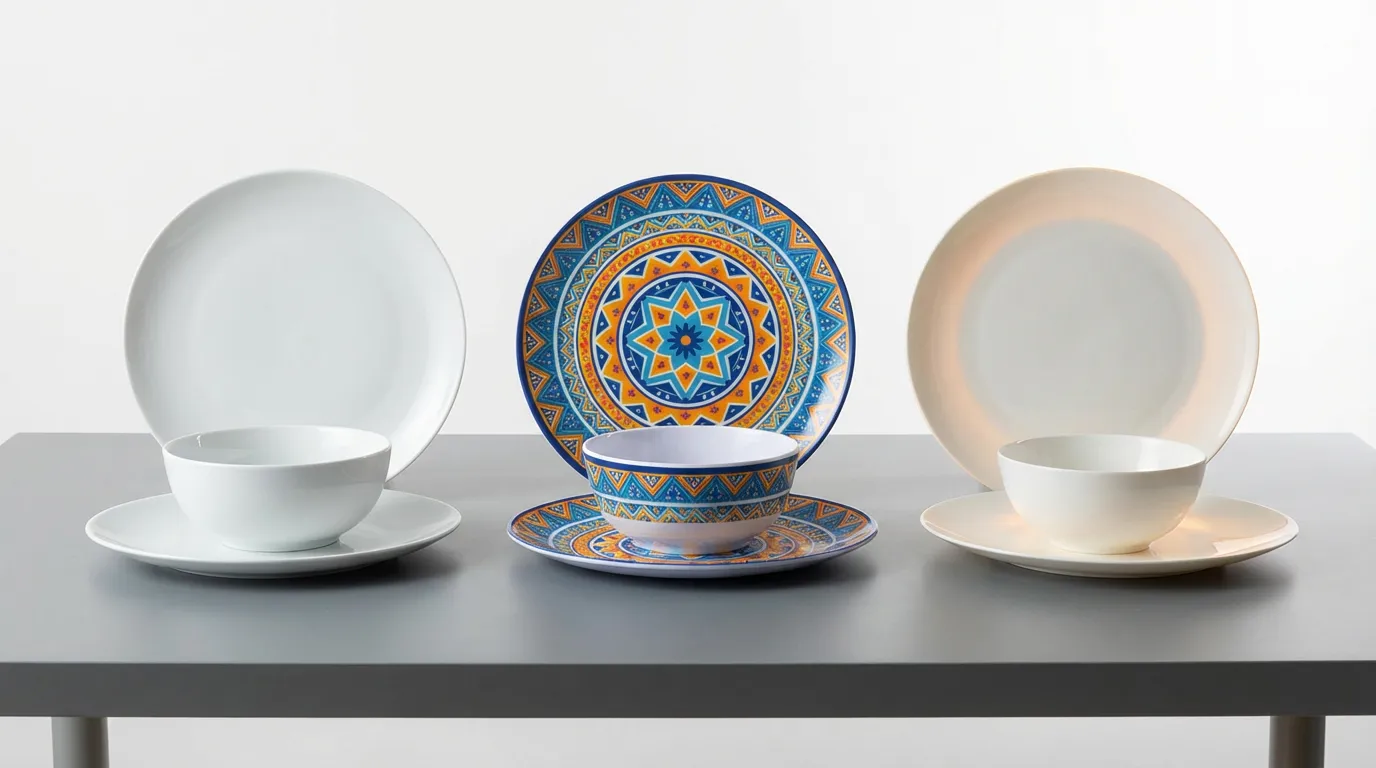
When evaluating a tableware investment, hospitality procurement teams must apply a strict scenario-first rule: no single material offers universal superiority across all operational environments. The choice between porcelain, melamine, and bone china depends entirely on matching the material's specific physical properties and regulatory use limits to the exact service scenario. Food and beverage directors and project buyers must shortlist materials based on handling processes, lifecycle inputs, and verifiable food-contact evidence rather than generic durability claims.
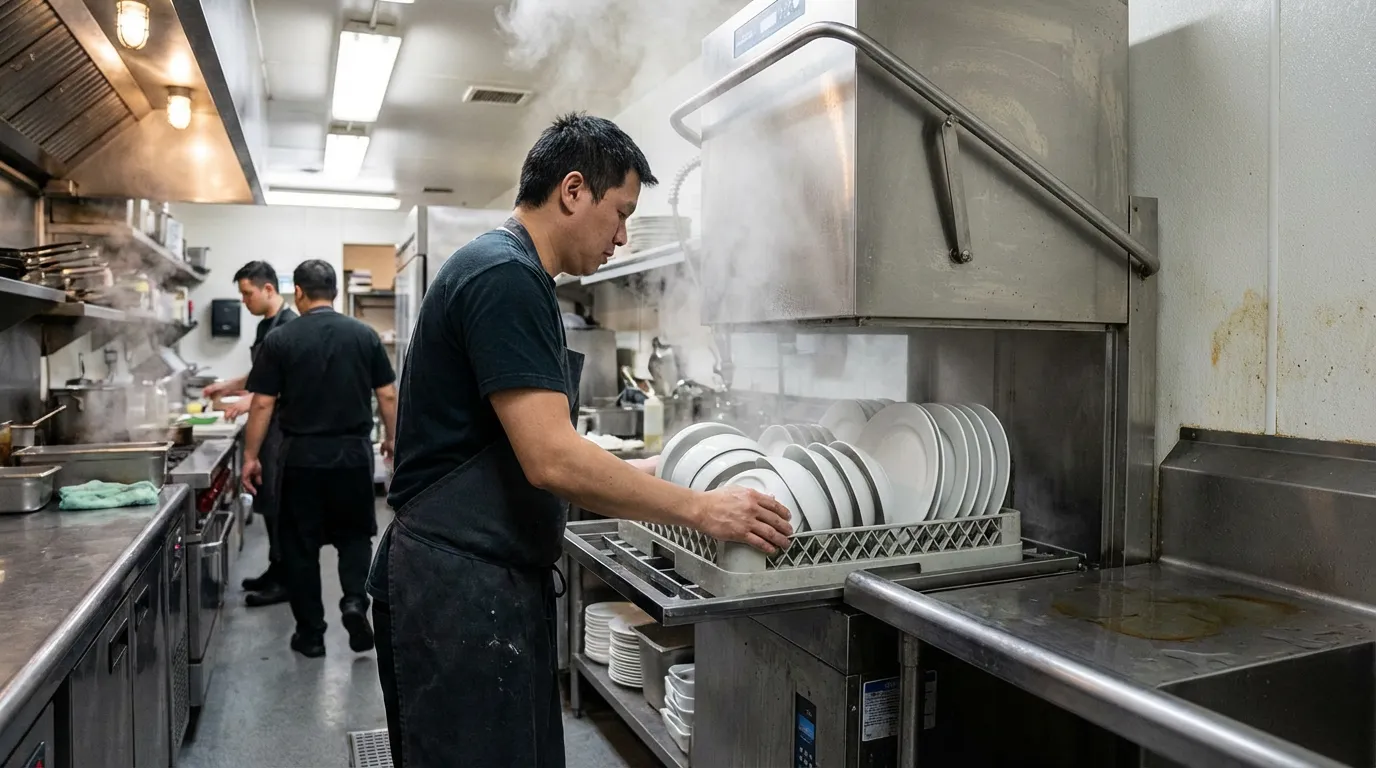
By aligning the material with the specific demands of the dining environment—from high-volume casual dining to controlled fine dining—operators can optimize replacement cycles, ensure regulatory alignment, and maintain the intended guest experience without overextending their procurement budgets. A plate that performs adequately in a controlled boardroom test may fail rapidly when subjected to the thermal shock, chemical exposure, and mechanical impact of a commercial dish pit. Therefore, procurement decisions must be rooted in empirical testing and exact-model documentation.
1. Define the Materials and Evidence Confidence Levels
To make an informed procurement decision, buyers must first understand the fundamental characteristics of the three primary hospitality tableware materials and the evidence required to validate their suitability for commercial use. Manufacturing processes dictate the physical limitations of each material, which in turn dictate their operational boundaries.
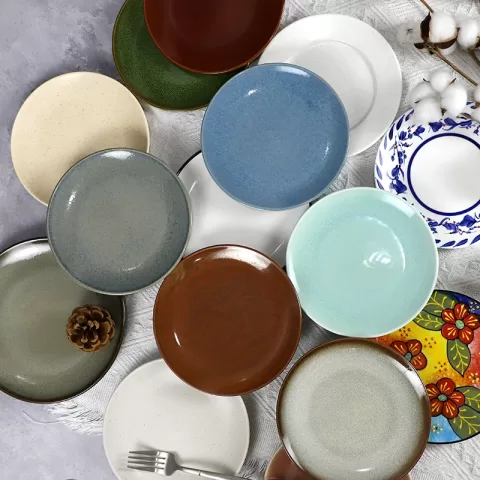
Porcelain Porcelain is a vitrified ceramic tableware material. In commercial settings, operators often specify commercial-grade porcelain with reinforced edges to mitigate chipping during high-speed bussing and dishwashing. It remains susceptible to impact breakage if dropped on hard surfaces or subjected to severe mechanical shock. Its weight and handling profile must be validated with the exact item and factored into staff ergonomic assessments.
Melamine Melamine is a thermosetting plastic resin that provides a lightweight, shatter-resistant alternative to traditional ceramics. It is highly valued in environments where breakage poses a safety risk, such as poolside venues, or where carrying weight is a primary ergonomic concern for staff. However, melamine has strict thermal limitations and is more susceptible to surface scratching over time compared to glazed ceramics. Once the surface is compromised by serrated knives or abrasive scouring pads, the material can become prone to protein binding and staining, which accelerates the required replacement cycle.
Bone China Bone china is a specialized ceramic that incorporates bone ash into its composition, resulting in a thin profile and a distinctive translucent appearance. Despite its delicate profile and lighter weight compared to standard hard porcelain, commercial bone china can perform well when handled according to its supplier's documented limits. It is typically positioned for premium service environments due to its higher initial acquisition cost and refined aesthetic. Its thinner profile requires precise temperature management, particularly around rapid, extreme thermal shifts.
Evidence Confidence Levels Procurement teams cannot rely on broad category claims such as "restaurant safe" or "fully compliant." Evidence confidence requires exact-model documentation. The applicable evidence depends heavily on the material and the destination market. For operations within or expanding to Europe, buyers must verify compliance with the EU food-contact framework, which dictates specific migration limits and traceability requirements for materials intended to come into contact with food.
Similarly, testing methodologies must align with recognized standards, such as the FDA analytical methods for lead/cadmium extracted from ceramic foodware. Method scope is not supplier compliance proof; rather, it is the standard by which the supplier's exact-item test results must be measured. Buyers must request laboratory reports that explicitly reference these methodologies and confirm that the specific SKU being purchased falls within the permissible limits of the destination jurisdiction.
2. Service-Scenario Decision Matrix
Selecting the correct material requires mapping the physical properties of porcelain, melamine, and bone china against the operational realities of specific service scenarios. A mixed-material strategy is often the most effective approach for large hospitality groups, deploying different materials to different zones based on environmental constraints.
The following matrix provides a baseline for shortlisting materials based on operational realities.
| Service Scenario | Primary Material Fit | Secondary Material Fit | Key Operational Constraints & Handling Realities |
|---|---|---|---|
| Fine Dining & Signature Restaurants | Bone China | Porcelain | Requires high perceived value, translucency, and heat retention. Handling is typically controlled, with lower table turnover rates and dedicated dishwashing protocols that protect lighter-weight items from mechanical shock. |
| High-Volume Casual & Banquet | Porcelain | Melamine | Demands high scratch resistance against serrated knives and thermal stability for holding cabinets. High-speed bussing requires reinforced edges. Weight can become an ergonomic issue for staff carrying large trays over long distances. |
| Outdoor, Poolside & Rooftop | Melamine | None (Safety restriction) | Strict shatter-resistance requirements to prevent barefoot injuries or contamination of pool water. Items must withstand UV exposure and frequent stacking, but will not be subjected to high-heat plating or salamanders. |
| Cafe & breakfast service | Porcelain | Bone China | Requires durability for rapid turnover and frequent washing. Heat retention is critical for coffee and hot breakfast items. Aesthetic must align with a relaxed but professional brand standard, often utilizing colored glazes. |
| In-Room Dining / Room Service | Bone China | Porcelain | Weight reduction is a primary factor for staff transporting loaded trays through corridors. Items must retain heat under cloches during transit. Breakage risk is moderate due to transport logistics and cart handling. |
This matrix serves as a shortlisting tool, not a final directive. A high-volume casual restaurant might utilize melamine for specific side dishes or outdoor patios while relying on porcelain for main courses that require steak knives. The procurement team must evaluate the exact handling processes—from the table to the bus tub, through the dish pit, and back to the pass—to determine which material will survive the specific operational loop without degrading the guest experience.
3. Lifecycle Inputs and Replacement Evidence Without Universal Superiority
A critical error in hospitality procurement is assuming that one material will fit every durability or cost objective. True lifecycle fit is determined by tracking specific inputs and requiring replacement evidence based on the operational environment. Procurement teams must move beyond initial unit pricing and evaluate the total operational impact of their material choices.
Initial Acquisition vs. Lifecycle Cost The initial unit cost of tableware is only a fraction of its lifecycle expense. Bone china typically carries the highest initial acquisition cost, followed by commercial porcelain, with melamine often presenting a lower initial barrier to entry. However, if melamine is deployed in a steakhouse where serrated knives cause rapid surface scratching, the replacement cycle will accelerate, negating the initial savings. Conversely, deploying expensive bone china in a high-volume, high-impact banquet setting may result in unacceptable attrition rates due to accidental drops during rapid table clearing.
Handling Impacts and Attrition Every material has a failure point dictated by its physical properties. Porcelain will chip or shatter if subjected to severe mechanical shock, such as being dropped on a tile floor or violently stacked in a bus tub. Melamine will not shatter under normal conditions, but it will suffer from protein buildup, staining, and surface degradation if washed with incorrect chemical concentrations or abrasive pads. Bone china offers high mechanical strength relative to its thickness, but its thinner profile requires staff to be trained in proper racking and un-racking procedures to prevent edge trauma during the dishwashing cycle.
Replacement Evidence and Consistency To accurately forecast lifecycle costs, buyers must demand replacement evidence from their suppliers. This means requesting exact-model declarations and capacity drawings to ensure that a plate ordered in year one will stack perfectly with a replacement plate ordered in year three. Inconsistent nesting heights can lead to unstable stacks, increasing the risk of mass breakage in storage areas. Procurement teams should track breakage and wear-out rates by material and service scenario, using this empirical data to inform future purchasing decisions rather than relying on generic supplier claims of "unmatched durability."
4. Cleaning, Heating and Food-Contact Use-Limit Checks
Regulatory compliance and operational safety depend on strictly adhering to the use limits of each material. Procurement teams must verify these limits against their intended menu, kitchen processes, and dishwashing chemical profiles.
| Material | Heating & Temperature Limits | Cleaning & Chemical Constraints | Food-Contact Evidence Required |
|---|---|---|---|
| Melamine | Do not microwave or use for deep-frying or holding hot oil; follow the exact supplier temperature limit. | Follow the exact supplier cleaning instructions and remove damaged ware from service. | Exact-model migration test results confirming compliance under intended use temperatures. |
| Porcelain | High thermal shock resistance. Safe for salamanders, ovens, and microwaves (if unadorned with metals). | Highly resistant to commercial dishwashing chemicals. Glaze can be scratched by unglazed foot rings if stacked improperly. | Exact-item test evidence for heavy metal migration, particularly on colored glazes. |
| Bone China | Heat retention is standard. Safe for warming cabinets. Rapid extreme temperature changes should be avoided. | Requires careful racking. Resistant to standard commercial detergents, but metallic banding dictates chemical limits. | Exact-item test evidence for heavy metal migration, especially for decorated or banded items. |
Melamine Use Boundaries Melamine requires strict operational discipline regarding heat exposure. Buyers must consult melamine migration and heating-use boundaries established by the FDA, which explicitly advise against microwaving melamine products. When subjected to temperatures exceeding its design limits, the material can degrade, potentially leading to the migration of melamine and formaldehyde into food.
Furthermore, operators must adhere to melamineware temperature and condition-of-use guidance, which dictates that melamine should not be used for deep-frying or holding hot oil. Procurement teams must confirm exact supplier use limits and ensure kitchen staff are trained never to use melamine under heat lamps, in salamanders, or for high-temperature plating, as excessive heat can cause the material to blister, crack, and fail regulatory compliance standards.
Ceramic and Bone China Lead Controls For porcelain and bone china, the primary regulatory concern is the migration of heavy metals from glazes, decals, and metallic decorations. Buyers must review lead controls for tableware and serviceware to understand the regulatory landscape and the specific risks associated with highly acidic foods interacting with compromised glazes.
It is critical to request exact-item test evidence rather than accepting a category-wide compliance claim. Enforcement actions and import alerts are often based on specific ceramic foodware lead migration enforcement evidence. If a hospitality group is importing custom-decorated porcelain or bone china, the procurement team must secure laboratory test results for that specific SKU, proving that lead and cadmium leaching levels fall below the permissible limits for the destination market. A test report for a plain white plate cannot be used to validate a plate with a custom red rim or gold banding.
5. Same-Condition Sample Test Protocol
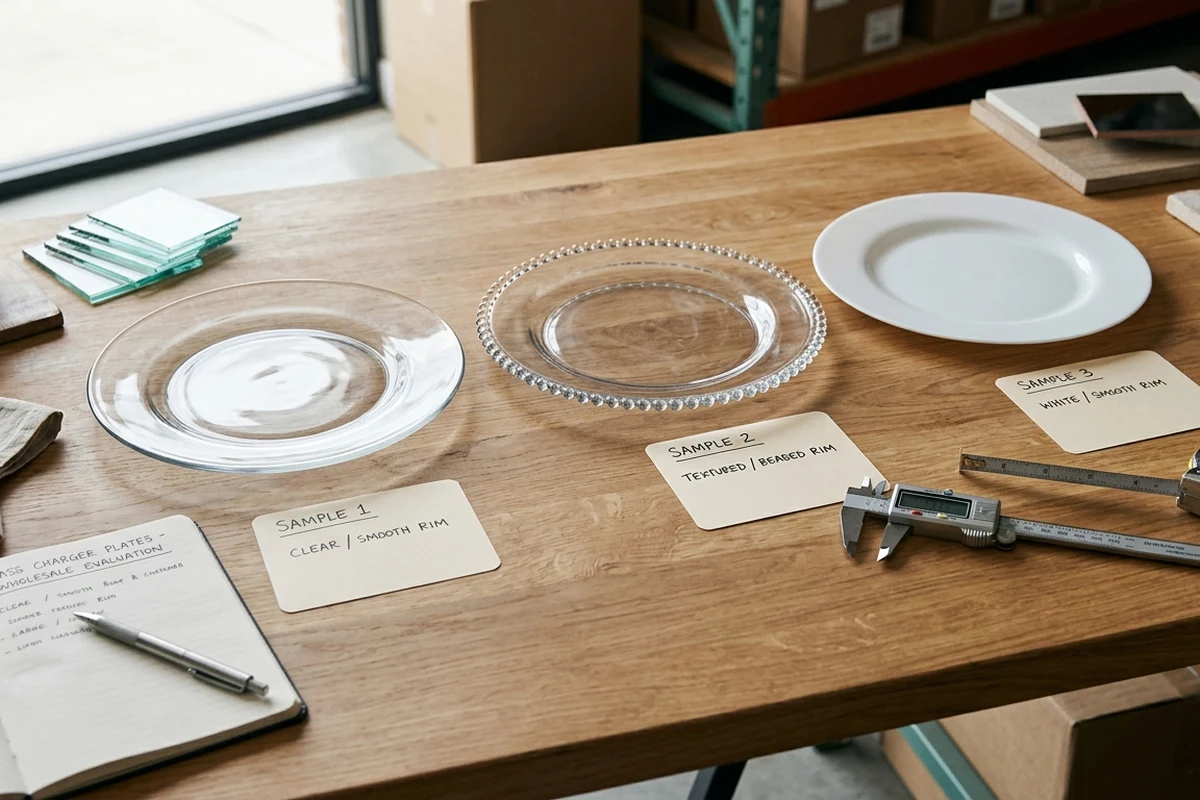
Before committing to a large-scale rollout, procurement teams must subject shortlisted materials to a same-condition sample test protocol. Evaluating a plate in a static environment provides no actionable data regarding its lifecycle fit. Samples must be tested in the exact operational environment where they will be deployed, utilizing the facility's specific equipment and menu items.
Thermal and Plating Simulation: Route the samples through the kitchen's standard heating protocols, including warming cabinets and heat lamps, adhering strictly to the material's use limits. Plate the most aggressive menu items—such as highly acidic tomato sauces, turmeric-heavy curries, or steaks requiring serrated knives—to evaluate heat retention, surface scratching, and staining resistance over a standard service duration.
Mechanical Handling and Bussing: Integrate the samples into the standard bussing routine. Evaluate how the weight of a fully loaded tray impacts staff ergonomics during peak service hours. Test the stacking stability in bus tubs and on storage shelves. Check for unglazed foot rings on ceramics that might scratch the glazed surface of the plate below it during transit.
Chemical and Wash Cycling: Run the samples through the commercial dishwashing system a minimum of 50 times. This exposes the material to the exact water hardness, temperature, and chemical detergent concentrations used in the facility. Inspect melamine for surface dulling, micro-cracking, or chalking. Inspect ceramics for glaze degradation, fading of custom decals, or damage to metallic banding.
Storage and Nesting Evaluation: Place the washed samples into the designated storage areas. Measure the nesting height of a representative service stack and confirm that it fits within existing shelving constraints without creating an unstable, leaning tower.
Documentation: Record the weight, stacking height, scratch visibility, and thermal performance of each sample before and after the testing protocol. This empirical data, rather than aesthetic preference alone, will drive the final procurement decision.
6. Shortlist and RFQ Evidence Checklist
Once the same-condition testing is complete and the materials have been matched to their appropriate service scenarios, the procurement team must issue a Request for Quotation (RFQ). To protect the operation from compliance failures, inconsistent replacement stock, and unexpected attrition costs, the RFQ must demand specific, verifiable documentation from the supplier.
Use the following checklist when requesting quotes from tableware suppliers to ensure all operational and regulatory requirements are met:
Exact-Model Declarations: Require a formal declaration of compliance for the specific SKU being purchased, not a general statement about the supplier's overall manufacturing standards or a different product line.
Laboratory Test Conditions: Request the full laboratory reports detailing the test conditions (temperature, duration, simulants used) for heavy metal migration (ceramics) or formaldehyde/melamine migration (plastics). Ensure the test parameters match your intended use case.
Safety Data Sheets (SDS): Obtain SDS documentation for any synthetic materials, specialized coatings, or accompanying chemical treatments to ensure safe handling and disposal protocols can be established.
Capacity and Dimensional Drawings: Request exact engineering drawings including weight, diameter, nesting height, and fluid capacity so future replacement orders can be checked for consistency and storage compatibility.
Use-Limit Labels and Instructions: Confirm that the supplier provides explicit, written instructions regarding maximum temperature exposure, microwave safety, and chemical washing constraints.
Sample Results Validation: Cross-reference the supplier's stated performance metrics with the empirical data gathered during your internal same-condition sample test protocol to identify any discrepancies before issuing a purchase order.
By rigorously applying this scenario-first methodology, verifying use limits, and demanding exact-item evidence, hospitality operators can build resilient, compliant, and cost-effective tabletop programs. Whether you are outfitting a high-volume banquet hall or refining a luxury dining room, executing customized tableware programs requires precision at every stage of procurement.
Explore our comprehensive tableware collection to evaluate material options tailored to your operational realities, or contact our tableware specialists to discuss exact-model specifications, request capacity drawings, and secure the compliance evidence required for your next project.
Get the week's latest industry information
-
Real-Life Professional Restaurant Case Studies
Explore Now
-
Create a unique restaurant with over 95,700+products
Explore Now
-
Protessional Free 3D Restaurant Design
Explore Now
-
Still Have Questions About Opening a Restaurant?
Explore Now

Sylvia
With 8 years in catering & hospitality industry, sales manager of Ron Group, specialise in providing one stop solutions to restaurants, hotels and weddings.
Discover Our Exclusive Products
Explore our extensive range of restaurant and hotel supplies designed to enhance your operations. Find the perfect solutions to meet your needs.
Browse Our ProductsFREE 3D DESIGN
Boost your restaurant's success with our free 3D design service. Start building the restaurant of your dreams today!
Explore 3D Design Case
RECOMMENDED CASES
-
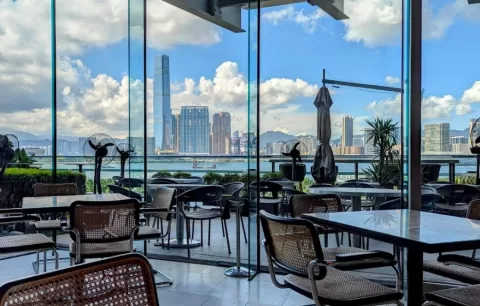
La Rambla by Catalunya: Crafting Barcelona's Soul in Hong Kong - Custom Furniture Excellence
RON Group's custom Spanish-inspired furniture elevates La Rambla with artisanal aesthetics...
Learn More -

Cardinal Point: Elevating Outdoor Seating with Tailored Cushion Upgrades
Discover how Cardinal Point transformed its outdoor dining experience with custom cushions, achievin
Learn More
RECOMMENDED BLOGS
-

Bar Glassware 101: Types, Names, Uses, and How to Stock Your Bar
Learn the 10 core bar glassware types, names, and uses. Discover how to stock your bar with the right glasses for cocktails, beer,...
Sylvia2026-07-26 -
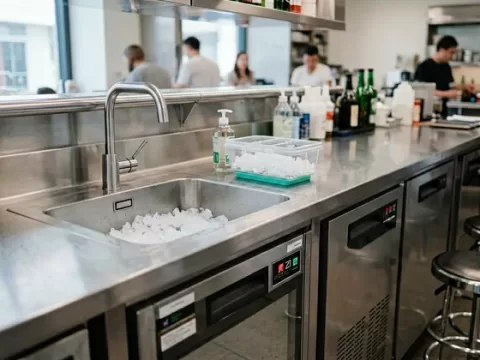
Complete Bar Equipment List for Opening a Bar
Plan a complete commercial bar equipment list by menu, service volume, refrigeration, ice, glassware, utilities, sanitation,...
Sylvia2026-06-11 -

Low Budget Restaurant Interior Design: 2026 Trends
Prioritize a low-budget restaurant interior by protecting code, operations, durability, accessibility, and phased design decisions...
Sylvia2026-04-04
Subscribe to RON GROUP
Stay up-to-date with the latest industry insights and expert advice. Together, we'll create your ideal restaurant.