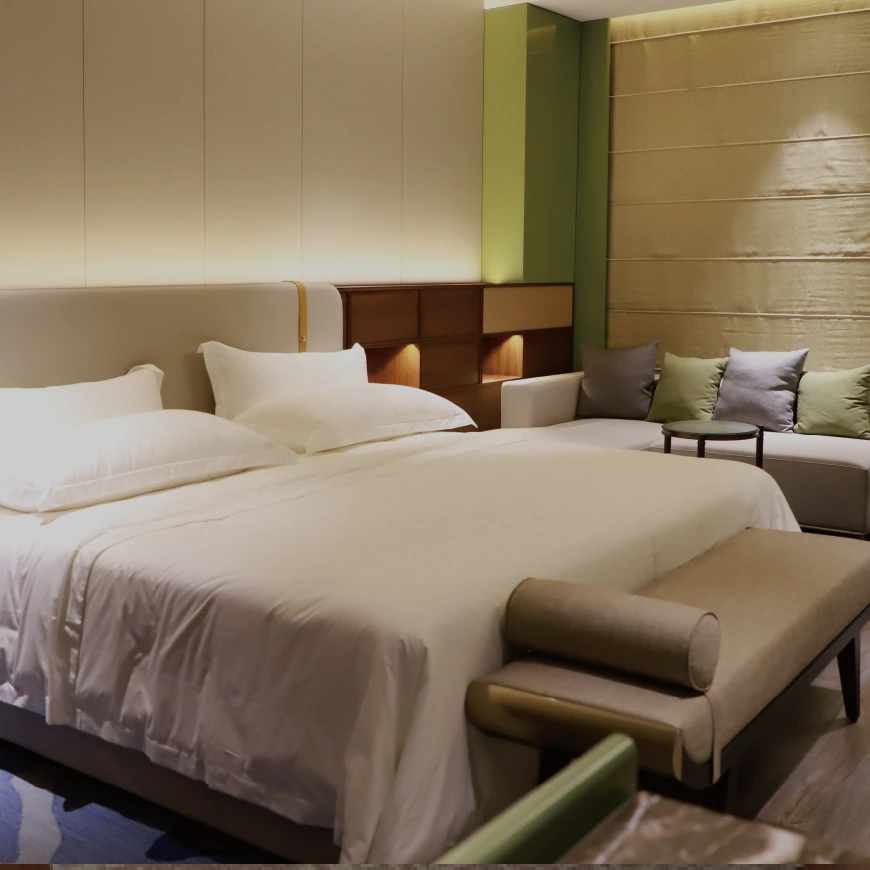


How to Design a Hotel Lobby: Furniture Layout and First Impressions
Learn how to design a hotel lobby that makes a lasting first impression. Covers furniture, spatial zoning, traffic flow, lighting & 2026 design trends.
Content
The hotel lobby is the first physical touchpoint between your brand and your guest. Research shows that people form lasting impressions within seconds of entering a space, and in hospitality, that initial perception directly influences satisfaction scores, online reviews, and repeat bookings. Yet many hotel operators treat lobby design as an afterthought, defaulting to generic furniture arrangements that fail to differentiate their property. This guide breaks down the principles of effective hotel lobby design, from furniture selection and spatial layout to lighting strategy and traffic flow, so you can create a lobby that converts first-time visitors into loyal guests.
Why Hotel Lobby Design Matters More Than You Think

The lobby is not just a pass-through space. It is the heartbeat of the hotel, a place where guests form their first and last impressions. According to research published in the International Journal of Hospitality Management, the design style, color palette, and lighting of a hotel lobby significantly impact booking intentions across all guest demographics, with millennials being particularly responsive to lobby aesthetics.
Consider these realities:
Hotel owners in the United States alone have spent over $6.85 billion on lobby and common area renovations in a single year.
The lobby serves as the central hub for check-in, concierge services, casual meetings, remote work, dining, and social interaction.
A well-designed lobby can increase average guest dwell time by 20 to 40 percent, driving ancillary revenue from food, beverage, and retail outlets.
Investing in a strategic lobby design is not a cosmetic upgrade. It is a revenue decision.
The 5 Functional Zones Every Hotel Lobby Needs
Effective hotel lobby layout begins with zoning. Rather than treating the lobby as a single open room, divide it into distinct functional areas that serve different guest needs. According to guidelines from Social Tables, the most successful hotel lobbies incorporate these five zones:
1. Arrival and Reception Zone
This is the operational core. The front desk or reception counter should be immediately visible from the main entrance, positioned so guests can orient themselves within two to three seconds of walking in. Allow a minimum of 6 feet of clear floor space in front of the desk for queuing. If your property uses self-check-in kiosks, position them adjacent to the reception area with clear signage.
2. Social Lounge Zone
Group sofas, club chairs, and communal tables in clusters that encourage conversation. This zone typically occupies the largest footprint in modern lobby designs. Use area rugs, pendant lighting, or ceiling height changes to visually distinguish it from surrounding areas. The trend toward "third space" lobbies, which function as living rooms rather than transitional corridors, makes this zone especially important in 2026.
3. Quiet Work Zone
Business travelers and remote workers need laptop-friendly surfaces, task lighting, accessible power outlets, and visual separation from high-traffic areas. Position work tables or individual desks along perimeter walls or in alcoves where noise levels are naturally lower. Ensure reliable Wi-Fi coverage throughout.
4. Food and Beverage Zone
Whether a full lobby bar, a coffee station, or a grab-and-go counter, integrating F&B into the lobby keeps guests on-site longer. Use high-top tables or cafe-style seating to differentiate this zone from the lounge area. This zone should be adjacent to, but not directly overlapping with, the main traffic corridor.
5. Transition and Wayfinding Zone
Guests need clear sightlines to elevators, restrooms, restaurants, and meeting rooms. Directional signage, lighting cues, and furniture alignment should all work together to guide movement. Avoid placing large furniture pieces in direct pathways between the entrance, reception, and elevators.
Hotel Lobby Furniture: What to Specify and Where to Place It
Furniture is the single most impactful element in lobby design. It defines the spatial character, influences guest behavior, and communicates brand identity. Choosing the right hotel lobby furniture requires balancing aesthetics, durability, comfort, and operational flexibility.
Core Furniture Categories
Sofas and Sectionals: Anchor pieces for the social lounge zone. Specify commercial-grade upholstery rated for a minimum of 100,000 double rubs (Wyzenbeek test). For high-traffic lobbies, leather or performance fabrics outperform standard textiles. Seat depth of 20 to 22 inches accommodates a wide range of body types.
Lounge Chairs and Accent Chairs: These create flexibility. Pairs of lounge chairs with a small side table between them form intimate conversation nodes. Lightweight accent chairs can be repositioned for events or seasonal layout changes.
Coffee Tables and Side Tables: Maintain 18 inches of clearance between seating and table edges. Round tables are safer in high-traffic zones, as they eliminate sharp corners. Specify tables with durable tops: stone, tempered glass, or high-pressure laminate.
Console Tables and Credenzas: Place these against walls or behind sofas to define zone boundaries. They double as display surfaces for brand collateral, floral arrangements, or curated local art.
Modular and Reconfigurable Pieces: The demand for modular hotel furniture has surged. Sectional sofas with individual components, nesting tables, and stackable ottomans allow staff to quickly reconfigure the lobby for different times of day or special events.
Placement Principles
Maintain 36 to 48 inches of clearance in all primary walkways. This meets ADA accessibility requirements and prevents congestion during peak check-in periods.
Create clusters, not rows. Arrange seating in L-shaped or U-shaped groupings to encourage interaction. Linear rows of chairs feel institutional.
Anchor furniture groups with area rugs that are at least 2 feet wider than the seating arrangement on all sides.
Face seating toward the entrance or focal point (fireplace, art installation, window view), not toward blank walls.
Keep sightlines open. Furniture backs should not exceed 36 inches in height unless they are intentionally used as space dividers.
For properties that need custom furniture solutions tailored to their brand and spatial requirements, working with a manufacturer that handles both design and production, like RON GROUP's hotel furniture division, eliminates the coordination gaps that arise when sourcing from multiple vendors.
Lighting: The Most Underestimated Element in Lobby Design
A 2023 study published in PMC analyzing visual comfort in hotel lobbies identified lighting as one of the three most critical design factors influencing guest satisfaction, alongside style and color.
Effective lobby lighting design operates on three layers:
Ambient Lighting
General illumination that sets the overall mood. In lobbies, aim for 200 to 300 lux at floor level, warm white color temperatures between 2700K and 3000K. Recessed downlights and cove lighting provide even coverage without visual clutter.
Task Lighting
Targeted illumination for specific activities. Desk lamps in the work zone, focused pendants over the reception counter, and reading lights near lounge seating. Task lighting should deliver 400 to 500 lux at the work surface.
Accent and Decorative Lighting
Statement chandeliers, wall sconces, backlit art, and architectural LED strips create visual interest and brand differentiation. These elements draw the eye to focal points and reinforce the spatial hierarchy of the lobby. In 2026, lighting designers are increasingly using tunable LED systems that shift color temperature throughout the day, brighter and cooler in the morning, warmer and dimmer in the evening, to support guest circadian rhythms.
Traffic Flow: Designing for Movement, Not Just Appearance
A lobby can be visually stunning and still fail operationally if traffic flow is poorly planned. Before selecting a single piece of furniture, map the primary movement patterns:
Entry to Reception: The most critical path. It should be direct, unobstructed, and intuitively obvious. Guests should not have to search for the front desk.
Reception to Elevators/Rooms: The second most-used route. Keep it clear, well-lit, and signed.
Entry to Lounge/F&B: Make the social and dining areas visible from the entrance to invite exploration, but avoid blocking the primary check-in path.
Luggage and Group Flow: Account for guests with rolling luggage, bellhop carts, and tour groups. Tight turns and narrow corridors create bottlenecks during peak hours.
Use a floor plan tool or work with a professional 3D design service to test furniture layouts against these flow patterns before committing to purchases. A digital mockup costs a fraction of what rearranging installed furniture costs after opening day.
Design Trends Shaping Hotel Lobbies in 2026
The hotel lobby is evolving faster than almost any other commercial interior space. Here are the trends defining 2026 lobby design:
Biophilic Design
Living walls, indoor trees, natural stone, and water features are no longer reserved for luxury resorts. Biophilic elements have been shown to reduce guest stress levels and increase perceived room value. Even budget and midscale properties are incorporating potted plants, wood-grain finishes, and nature-inspired textiles.
Local Authenticity Over Global Uniformity
The era of cookie-cutter hotel chains is fading. Guests increasingly prefer lobbies that reflect the local culture, geography, and artistic community. Specify furniture and decor from regional artisans where possible. Display local photography, use native materials, and partner with nearby businesses for lobby retail or F&B.
Neuroscience-Driven Wellness Design
A growing number of hotel designers are applying neuroscience research to spatial design, using specific color palettes, ceiling heights, and material textures that have been clinically demonstrated to reduce cortisol levels and improve mood. Expect to see more curved furniture profiles, soft acoustic treatments, and sensory micro-environments in 2026 lobbies.
Seamless Technology Integration
Technology in the lobby should be invisible until needed. Wireless charging surfaces built into tables, discreet USB-C outlets in seating arms, digital concierge screens that blend with wall art, and app-based check-in that eliminates the reception queue entirely. The goal is to embed utility without disrupting the aesthetic.
Sustainability as Standard
Eco-conscious materials, FSC-certified wood, recycled metals, low-VOC finishes, and energy-efficient lighting are shifting from differentiator to baseline expectation. Guests, especially those under 40, actively evaluate a hotel's environmental commitment, and the lobby is where that commitment is most visible.
Common Hotel Lobby Design Mistakes to Avoid
After reviewing hundreds of hotel lobby projects, these are the errors that cost operators the most in guest satisfaction and operational efficiency:
Oversized reception desks that dominate the room. The desk should serve the guest, not overpower the space. A 20-foot marble counter may look impressive in a rendering but creates an intimidating barrier in person.
Insufficient seating variety. If every seat in your lobby is the same type, you are ignoring the diversity of guest needs. Mix sofas, chairs, benches, bar stools, and individual work seats.
Poor acoustic management. Hard floors, high ceilings, and glass walls create echo chambers. Upholstered furniture, area rugs, acoustic panels, and ceiling baffles are essential in lobbies larger than 2,000 square feet.
Ignoring the evening atmosphere. Many lobbies are designed for daylight conditions and become stark or unflattering at night. Plan your lighting scheme for both daytime and evening use.
Choosing residential furniture for a commercial space. Consumer-grade sofas and tables are not built for the wear patterns of a hotel lobby. Specify hospitality-grade furniture rated for 24/7 use to avoid premature replacement cycles.
A Step-by-Step Lobby Design Process
Whether you are building a new property or renovating an existing one, follow this sequence:
Define brand positioning and guest profile. Are you targeting business travelers, leisure tourists, or both? Budget-conscious or luxury? The answers shape every design decision.
Measure the space and identify structural constraints. Column locations, ceiling heights, floor load capacities, HVAC and electrical locations, and natural light sources.
Map traffic flow patterns. Chart the primary, secondary, and tertiary movement routes before placing any furniture.
Zone the floor plan. Assign each functional zone (reception, lounge, work, F&B, transition) a defined area with appropriate square footage.
Select a cohesive material and color palette. Limit your primary palette to three to four colors and two to three primary materials for visual coherence.
Specify furniture, lighting, and fixtures. Source commercial-grade pieces that align with your brand, budget, and durability requirements.
Test with 3D visualization. Render the design digitally to evaluate proportions, sightlines, and lighting before procurement. RON GROUP offers complimentary 3D design services for hotel and restaurant projects.
Install, evaluate, and iterate. After installation, observe guest behavior for 30 to 60 days. Be prepared to adjust furniture positions based on actual usage patterns.
Real-World Lobby Design: What the Data Tells Us
Properties that invest in strategic lobby redesigns consistently report measurable results. According to Amerail Systems' 2026 hotel design report, hotels that completed lobby renovations with a focus on multi-functional spaces and updated furniture saw improvements in guest satisfaction scores, increased F&B revenue from lobby-adjacent outlets, and stronger online review ratings.
The common thread in successful projects is not a specific style or budget level. It is intentionality. Every furniture piece, every lighting decision, and every material choice serves a defined purpose within the overall guest experience strategy.
For examples of how other hotel and restaurant properties have executed effective interior design projects, browse RON GROUP's project case studies.
Partner With the Right Supplier
Hotel lobby design is a complex, multi-disciplinary project that requires coordination between architects, interior designers, furniture manufacturers, and lighting specialists. Working with a single-source supplier that covers furniture, lighting, and FF&E (Furniture, Fixtures, and Equipment) reduces lead times, simplifies logistics, and ensures design consistency across every element.
RON GROUP has supplied hotel and restaurant furniture to over 10,000 properties across 20+ years, including international brands like Sofitel and W Hotel. With an in-house catalog of 95,700+ products and dedicated 3D design support, we help hotel operators move from concept to completed lobby without the fragmentation of multi-vendor sourcing.
Ready to design or redesign your hotel lobby? Contact RON GROUP for a consultation, or explore our full hotel furniture collection to start planning your layout.
Get the week's latest industry information
-
Real-Life Professional Restaurant Case Studies
Explore Now
-
Create a unique restaurant with over 95,700+products
Explore Now
-
Protessional Free 3D Restaurant Design
Explore Now
-
Still Have Questions About Opening a Restaurant?
Explore Now

Sylvia
With 8 years in catering & hospitality industry, sales manager of Ron Group, specialise in providing one stop solutions to restaurants, hotels and weddings.
Discover Our Exclusive Products
Explore our extensive range of restaurant and hotel supplies designed to enhance your operations. Find the perfect solutions to meet your needs.
Browse Our ProductsFREE 3D DESIGN
Boost your restaurant's success with our free 3D design service. Start building the restaurant of your dreams today!
Explore 3D Design Case
RECOMMENDED CASES
-

La Rambla by Catalunya: Crafting Barcelona's Soul in Hong Kong - Custom Furniture Excellence
RON Group's custom Spanish-inspired furniture elevates La Rambla with artisanal aesthetics...
Learn More -

Cardinal Point: Elevating Outdoor Seating with Tailored Cushion Upgrades
Discover how Cardinal Point transformed its outdoor dining experience with custom cushions, achievin
Learn More
RECOMMENDED BLOGS
-
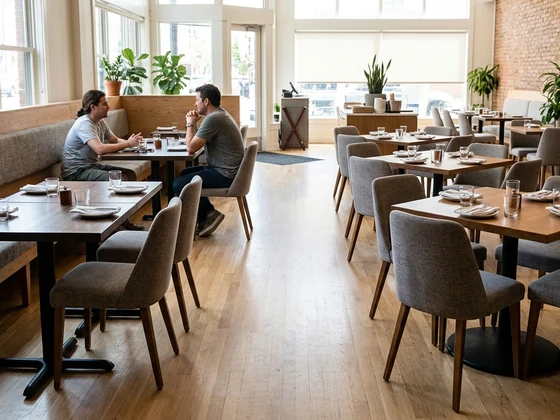
Restaurant Table Spacing and Aisle Clearance: Supplier Drawing Checklist
Check restaurant table spacing, aisle clearance, chair pullout, service path, and supplier drawing proof before approving a...
Sylvia2026-07-20 -

5 Mistakes to Avoid When Buying Restaurant Furniture from China
Don't fall for costly oversights! Learn the 5 mistakes to avoid when buying restaurant furniture from China and ensure a...
 Ron2025-01-079 min read
 -

RON GROUP Launches VR Experience to Explore Our Dynamic Showroom
Discover RON GROUP's VR showroom! Explore dining furniture, tableware, and customized services virtually or visit us in person to...
Sylvia2024-12-163 min read
Subscribe to RON GROUP
Stay up-to-date with the latest industry insights and expert advice. Together, we'll create your ideal restaurant.