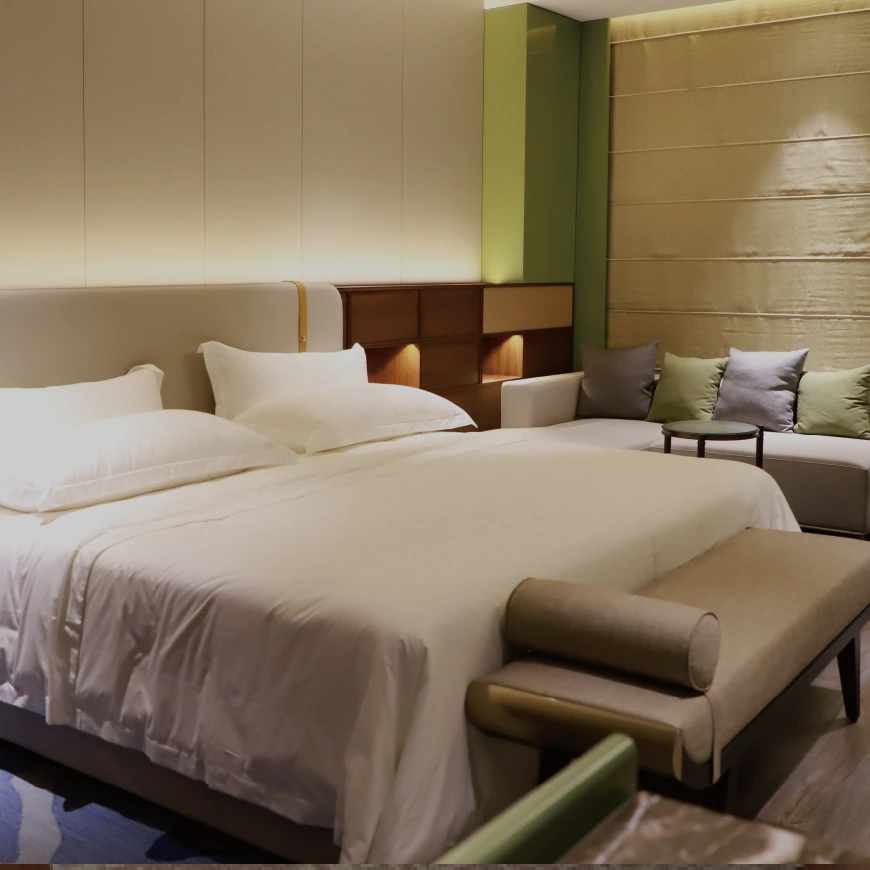


Fast-Food vs. Fine-Dining Setup: A Side-by-Side Equipment and Design Comparison
Compare fast-food vs. fine-dining setups: kitchen equipment, furniture, tableware & layout side by side with real startup cost data broken down by category.
Content
The gap between a fast-food counter and a white-tablecloth dining room is obvious to any guest -- but for operators and investors, the real differences live behind the scenes. Kitchen equipment, floor plans, furniture grades, tableware specs, and startup budgets diverge dramatically between these two restaurant models. Whether you are evaluating a franchise opportunity or designing an independent concept, understanding exactly where the money goes -- and why -- is the first step toward a profitable opening. This guide puts fast-food and fine-dining setups side by side, category by category, so you can benchmark your own project against real industry data.
Two Business Models, Two Operating Philosophies
Before diving into equipment lists, it is worth framing the fundamental operating difference that drives every downstream decision.

A fast-food (quick-service) restaurant is engineered for volume and speed. Menus are limited, preparation is standardized, service is counter- or drive-through-based, and the goal is to turn each seat (or parking spot) as many times per hour as possible. A fine-dining restaurant is engineered for experience and margin per cover. Menus are complex, preparation is technique-driven, service is tableside with multiple courses, and guests may occupy a table for 90 minutes to three hours.
According to a 2025 startup cost analysis by Lightspeed, a quick-service restaurant typically requires USD 200,000 to USD 400,000 to open, while a fine-dining establishment ranges from USD 500,000 to over USD 2 million. Equipment and furniture account for 30-40% of either total -- but the composition of that spend is entirely different.
Kitchen Equipment: Side-by-Side Comparison
The kitchen is where the two concepts diverge most sharply. Fast-food kitchens are compact, repetitive, and built around a narrow set of high-throughput appliances. Fine-dining kitchens are expansive, station-based, and stocked with specialized tools for diverse cooking techniques.
| Equipment Category | Fast-Food / Quick-Service | Fine Dining |
|---|---|---|
| Primary cooking | High-speed conveyor oven, deep fryers (multiple), flat-top griddle, microwave | Commercial range (6-10 burners), combi oven, charbroiler, salamander, plancha, sous vide baths |
| Holding & warming | Heat lamps, holding cabinets, fry dump stations | Bain-marie, plate warmers, heat lamps at pass |
| Refrigeration | Walk-in cooler, reach-in freezer, under-counter prep fridge | Walk-in cooler + walk-in freezer, blast chiller, multiple reach-ins, wine storage |
| Food prep | Countertop dicer, patty former, condiment dispensers, batch mixing | Floor-standing mixer, immersion blenders, mandolines, vacuum sealer, dehydrator, plating tweezers |
| Beverage | Soda fountain, milkshake machine, automatic coffee brewer | Espresso machine, bar cocktail station, wine dispensing, juice press |
| Dishwashing | Single-rack or conveyor dishwasher (high speed) | Conveyor or flight-type dishwasher, glass polisher, three-compartment sink |
| Ventilation | Standard Type I hood over fryers and griddle | Extended Type I and Type II hoods, make-up air unit, charcoal filtration for open-flame grills |
| Specialty items | Drive-through communication system, order-confirmation screens | Blast freezer, anti-griddle, smoking gun, chocolate tempering machine |
For a complete catalog of back-of-house equipment suitable for either concept, explore our commercial kitchen equipment collection.
Kitchen Layout and Workflow
Layout philosophy is where the operating model becomes physical architecture.
Fast-Food Kitchen Layout
Quick-service kitchens almost universally follow an assembly-line layout. Ingredients move in one direction -- from cold storage through prep, cooking, assembly, and packaging to the service counter or drive-through window. According to Sam Tell & Son, this linear flow minimizes staff movement and supports consistent output with fewer trained personnel. Typical fast-food kitchen footprints range from 400 to 800 sq ft.
Key layout features include:
Single cooking line positioned parallel to the service counter
Fryer banks and griddle stations within arm's reach of the assembly area
Walk-in cooler directly behind or adjacent to the prep zone
Drive-through window integrated into the building envelope
Minimal crossing paths -- one-way traffic flow for all staff
Fine-Dining Kitchen Layout
Fine-dining kitchens favor an island or zone-based layout that supports the classic brigade system. The head chef (or expeditor) stands at the pass -- the central point where finished plates are inspected before reaching the dining room. Stations (saucier, grillardin, poissonnier, patissier) radiate outward, each with its own dedicated equipment cluster. Kitchen footprints typically range from 1,000 to 2,500 sq ft for a 40-80 seat restaurant.
Key layout features include:
Central pass/expediting station with heat lamps and plating surface
Separate hot line, cold line, and pastry station
Open-kitchen option for theatrical guest engagement
Dedicated garde manger area for salads, charcuterie, and cold appetizers
Larger dish pit isolated from cooking areas to manage noise and steam
Whether you are planning a linear assembly kitchen or a multi-station brigade layout, our complimentary 3D restaurant design service can help you visualize and optimize the floor plan before construction begins.
Front-of-House Design and Furniture
If the kitchen is the engine, the dining area is the showroom -- and the two concepts could not look more different.
| Design Factor | Fast-Food / Quick-Service | Fine Dining |
|---|---|---|
| Seating types | Fixed booths, molded chairs, counter stools, outdoor benches | Upholstered chairs, banquettes, private dining booths, lounge seating |
| Space per seat | 11-14 sq ft | 20-28 sq ft |
| Average seat turnover | 8-12 turns per day | 1.5-2.5 turns per evening service |
| Table material | Laminate, fiberglass, molded plastic -- wipe-clean surfaces | Solid hardwood, marble, linen-covered |
| Furniture budget per seat | USD 80-200 | USD 400-1,200+ |
| Lighting | Bright, uniform (350-500 lux) -- encourages fast eating and turnover | Warm, layered (50-200 lux) -- creates intimacy and extends dwell time |
| Noise management | Minimal acoustic treatment | Sound-absorbing panels, upholstered surfaces, strategic spacing |
| Restroom standard | Functional, easy-clean fixtures | Premium fixtures, designer finishes, attendant in some cases |
Fast-food furniture must withstand extremely high traffic -- think thousands of guests per week -- while remaining easy to clean and inexpensive to replace. Fine-dining furniture, by contrast, is an investment in brand perception: the weight of the chair, the texture of the upholstery, and the finish of the table all communicate the price point before a menu is opened.
Browse options for both concepts in our restaurant furniture collection, which includes everything from durable quick-service seating to premium dining chairs.
Lighting as a Design Tool
Lighting deserves special attention because it plays opposite roles in each concept. Fast-food operators use bright, cool-toned light to keep the space feeling clean and to subtly discourage lingering. Fine-dining designers layer ambient, accent, and task lighting -- often with dimmers -- to create a warm, intimate atmosphere that makes guests comfortable spending two or more hours (and a higher check) at the table. The per-square-foot lighting budget for a fine-dining restaurant is typically three to five times higher than for a fast-food outlet. Explore fixtures and planning ideas in our restaurant lighting collection.
Tableware and Smallwares
Tableware is one of the starkest contrasts between the two models -- and one of the most frequently underestimated budget categories for fine dining.
| Tableware Category | Fast-Food / Quick-Service | Fine Dining |
|---|---|---|
| Plates / serving vessels | Paper wrappers, cardboard containers, branded trays | Porcelain dinner plates, appetizer plates, bread plates, specialty bowls, slate/wood boards |
| Cutlery | Disposable plastic or wrapped utensil kits | Stainless-steel or silver-plated flatware sets (5-7 pieces per cover) |
| Glassware | Paper or plastic cups, lid and straw | Water goblets, wine glasses (red, white, sparkling), cocktail glassware |
| Linen | Paper napkins, none on table | Cloth napkins, tablecloths, runner or placemat per cover |
| Cost per cover (consumable + durable) | USD 0.15-0.50 per transaction (disposables) | USD 120-300 initial investment per seat (durables, replaced over 2-5 years) |
Fast-food tableware is a recurring consumable cost -- low per unit but constant. Fine-dining tableware is a capital expense -- high upfront but amortized over years, assuming careful handling and a commercial glass polisher. Review our complete tableware collection for both disposable service items and premium porcelain lines.
Staffing and Training Implications
Equipment choices cascade directly into labor requirements. A fast-food kitchen designed around fryers, a griddle, and an assembly counter can be operated by 3-6 line staff per shift with minimal culinary training -- procedures are standardized and equipment is largely automated. A fine-dining kitchen running a brigade system may require 8-15 kitchen staff per shift, including classically trained cooks, a pastry chef, and an expeditor.
Front-of-house staffing follows the same pattern. Fast-food service requires cashiers and order runners; fine dining requires trained servers who understand wine pairings, tableside service, and multi-course timing. The Auguste Escoffier School of Culinary Arts estimates that labor costs for fine-dining operations typically run 33-40% of revenue, compared to 25-30% for quick-service concepts.
Startup Budget: A Consolidated Comparison
The table below summarizes typical equipment, furniture, and fit-out budgets for each concept, excluding real estate and franchise fees.
| Budget Category | Fast-Food (60-80 seats) | Fine Dining (40-60 seats) |
|---|---|---|
| Kitchen equipment | USD 40,000-90,000 | USD 100,000-350,000 |
| Ventilation & fire suppression | USD 5,000-15,000 | USD 15,000-40,000 |
| Refrigeration & storage | USD 8,000-20,000 | USD 20,000-60,000 |
| Furniture & fixtures | USD 8,000-18,000 | USD 30,000-80,000 |
| Tableware & smallwares | USD 2,000-5,000 (initial disposable stock) | USD 10,000-30,000 |
| Lighting & interior design | USD 5,000-15,000 | USD 25,000-80,000 |
| POS, KDS & technology | USD 5,000-15,000 | USD 8,000-25,000 |
| Signage, drive-through & exterior | USD 10,000-40,000 | USD 5,000-15,000 |
| Total Equipment & Fit-Out | USD 83,000-218,000 | USD 213,000-680,000 |
Budget ranges compiled from industry data published by Restroworks and Toast.
Key Takeaways for Operators
Match equipment to your service model, not your ambition. Over-specifying a fast-food kitchen with fine-dining equipment wastes capital; under-specifying a fine-dining kitchen with quick-service gear creates bottlenecks and inconsistency.
Furniture is a revenue tool. In fast food, lightweight and easy-clean furniture accelerates turnover. In fine dining, substantial and comfortable furniture extends dwell time and supports higher average checks.
Budget for tableware realistically. Fine-dining operators routinely underestimate the cost of porcelain, flatware, glassware, and linen. Build breakage and replacement reserves into year-one projections.
Design the kitchen before choosing the space. Both concepts benefit from selecting (or validating) a location based on kitchen layout requirements -- not the other way around.
Lighting and acoustics drive perception. These two elements cost relatively little compared to equipment but have an outsized impact on how guests perceive value and whether they return.
Frequently Asked Questions
Can I use the same supplier for fast-food and fine-dining equipment?
Yes -- and there are advantages to doing so. A full-range supplier can offer volume pricing across categories, ensure design consistency between front and back of house, and coordinate a single delivery and installation timeline. The key is choosing a supplier whose catalog covers both commercial-grade quick-service equipment and premium fine-dining finishes.
What is the biggest hidden cost difference between the two models?
Ventilation and HVAC. Fine-dining kitchens with open-flame grills, charbroilers, and wood-fired ovens require significantly more complex hood systems, make-up air units, and fire suppression infrastructure. This can add USD 20,000-50,000 to the build-out compared to a standard fast-food ventilation setup.
Is the fast-fine hybrid model a middle ground?
Fast-fine (or elevated fast-casual) is a growing segment that borrows the speed and counter-service model of fast food while investing in higher-quality ingredients, plating, and interior design. Equipment needs fall between the two extremes -- expect to spend 40-60% more than a traditional fast-food setup, but significantly less than full fine dining. The fast-fine model is worth evaluating if your target market values quality but not formal tableside service.
Plan Your Setup with RON GROUP
Whether you are outfitting a high-volume quick-service location or a 50-seat fine-dining concept, RON GROUP supplies the full spectrum -- commercial kitchen equipment, restaurant furniture, tableware, and lighting -- from a single source with over 95,700 products and 20+ years of B2B hospitality experience. Start with a free 3D restaurant design consultation, or contact our project team to discuss your concept requirements and get a consolidated quote.
Get the week's latest industry information
-
Real-Life Professional Restaurant Case Studies
Explore Now
-
Create a unique restaurant with over 95,700+products
Explore Now
-
Protessional Free 3D Restaurant Design
Explore Now
-
Still Have Questions About Opening a Restaurant?
Explore Now

Sylvia
With 8 years in catering & hospitality industry, sales manager of Ron Group, specialise in providing one stop solutions to restaurants, hotels and weddings.
Discover Our Exclusive Products
Explore our extensive range of restaurant and hotel supplies designed to enhance your operations. Find the perfect solutions to meet your needs.
Browse Our ProductsFREE 3D DESIGN
Boost your restaurant's success with our free 3D design service. Start building the restaurant of your dreams today!
Explore 3D Design Case
RECOMMENDED CASES
-

La Rambla by Catalunya: Crafting Barcelona's Soul in Hong Kong - Custom Furniture Excellence
RON Group's custom Spanish-inspired furniture elevates La Rambla with artisanal aesthetics...
Learn More -

Cardinal Point: Elevating Outdoor Seating with Tailored Cushion Upgrades
Discover how Cardinal Point transformed its outdoor dining experience with custom cushions, achievin
Learn More
RECOMMENDED BLOGS
-
Restaurant Table Spacing and Aisle Clearance: Supplier Drawing Checklist
Check restaurant table spacing, aisle clearance, chair pullout, service path, and supplier drawing proof before approving a...
Sylvia2026-07-20 -

5 Mistakes to Avoid When Buying Restaurant Furniture from China
Don't fall for costly oversights! Learn the 5 mistakes to avoid when buying restaurant furniture from China and ensure a...
 Ron2025-01-079 min read
 -

RON GROUP Launches VR Experience to Explore Our Dynamic Showroom
Discover RON GROUP's VR showroom! Explore dining furniture, tableware, and customized services virtually or visit us in person to...
Sylvia2024-12-163 min read
Subscribe to RON GROUP
Stay up-to-date with the latest industry insights and expert advice. Together, we'll create your ideal restaurant.