
Custom Hotel Furniture Manufacturer Evaluation: Evidence Workflow for Procurement Teams
Content
A custom hotel furniture manufacturer should be evaluated by how it controls project evidence, not by how polished its portfolio looks. Hotel buyers are not purchasing isolated furniture pieces; they are purchasing repeatable room packages, public-area pieces, finish consistency, inspection records, packing discipline, and communication during a schedule that usually involves designers, owners, operators, procurement teams, freight partners, and site installers.
The right manufacturer is the one that can turn design intent into controlled production records. That means answering drawings, flagging open decisions, producing labeled samples, recording deviations, organizing quality checks, packing by room or zone, and helping the buyer understand what will happen when a finish, hardware, dimension, or delivery date changes.
Direct answer: To evaluate a custom hotel furniture manufacturer, ask for proof of drawing control, sample control, finish consistency, material sourcing, mock-up room support, quality inspection, packing labels, export documents, lead time discipline, and deviation handling. Do not rely only on showroom photos, rankings, or broad claims that the factory has hotel experience. Use a scorecard, request the same evidence from each shortlisted supplier, and separate factory capability from trader or coordinator capability. For hotel projects, the strongest supplier is usually the one that can keep drawings, samples, QC records, packaging, and communication aligned through the full procurement timeline.
Buyer decision context: choose a control system, not a factory name
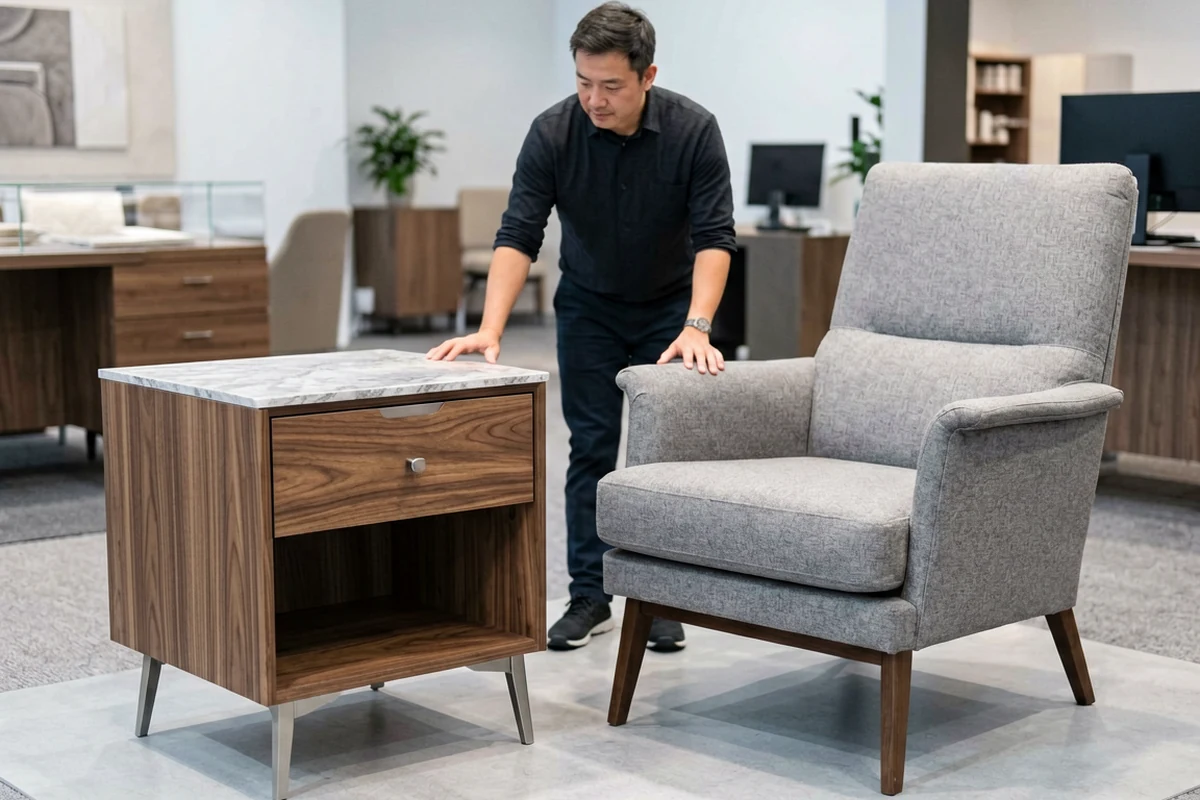
The buyer's real decision is whether the manufacturer can protect the project from ambiguity. A hotel casegoods or loose-furniture package may include beds, headboards, nightstands, wardrobes, desks, luggage benches, lounge chairs, dining furniture, outdoor furniture, and public-area seating. Each item can involve different materials, finishes, hardware, upholstery, testing questions, packaging, and installation interfaces.
A weak evaluation asks, Have you made hotel furniture before? A stronger evaluation asks, Show how you manage a drawing revision, a finish sample approval, a failed inspection point, a carton-label schedule, and a late substitution. The first question produces a sales answer. The second question reveals whether the supplier has a project control process.
Use hotel furniture as category context and RON GROUP project examples as a way to discuss scope, but require current-project evidence before shortlisting. A manufacturer that cannot explain sample control during evaluation is unlikely to become more disciplined after deposit.
Procurement risk scenarios in hotel furniture sourcing
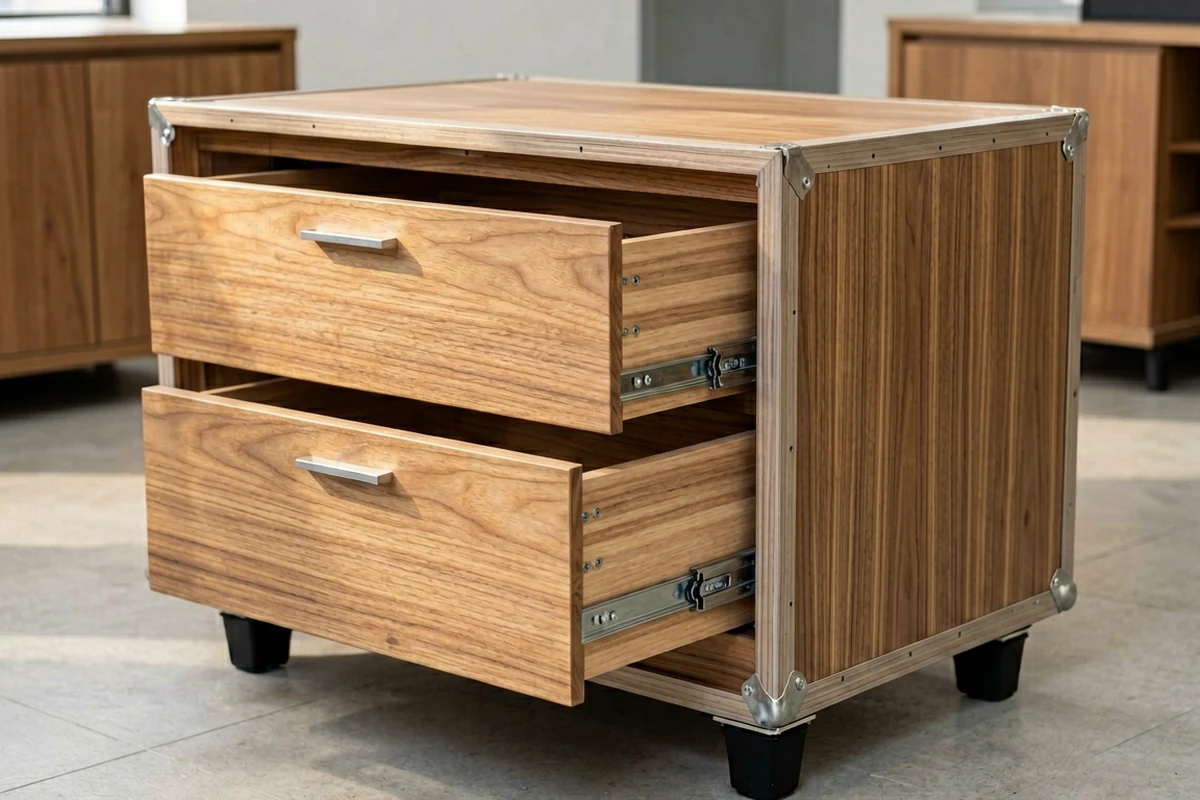
The first risk is drawing ambiguity. A supplier may quote from a rendering or loose product photo, while the project team assumes exact dimensions, edge details, cable holes, hardware, wall interfaces, or upholstery proportions. When those assumptions are not written, the dispute appears late: during mock-up review, production inspection, or installation.
The second risk is sample drift. The approved finish board may not match the factory's production sample, or the production batch may not match the mock-up room. Wood veneer direction, stain color, metal finish, stone pattern, upholstery texture, and hardware color can all shift if the approval record is weak. A manufacturer evaluation should therefore ask how sample codes are labeled, stored, and referenced in production.
The third risk is quality control without closure. Many suppliers can say they inspect; fewer can show inspection points, photo records, defect categories, rework responsibility, and final approval before packing. Hotel buyers need a nonconformance route because a small issue repeated across 200 rooms becomes expensive.
The fourth risk is packing and site confusion. Custom hotel furniture often arrives in waves. If cartons are not labeled by room type, floor, item code, finish, and hardware set, site teams may open the wrong cartons, lose parts, or install pieces in the wrong area. The manufacturer should explain how packing marks connect to the furniture schedule.
Supplier evidence checklist
Ask every shortlisted manufacturer to respond to the same evidence request. The goal is to compare working discipline, not just unit price.
| Evaluation area | Evidence to request | Strong response | Weak response |
|---|---|---|---|
| Drawing control | Marked-up drawings, open-question log, revision owner | Supplier identifies unresolved dimensions and interfaces | Supplier says drawings are understood without comments |
| Sample control | Material sample, finish sample, hardware board, approval label | Samples have codes, dates, and retained references | Approval depends on photos in a chat thread |
| Standards and testing | Applicable test reports or standard references when claimed | Supplier names the document and item scope | Supplier uses vague compliant wording |
| Quality process | Inspection checklist, photo examples, nonconformance route | Issues can be logged, corrected, and closed | Inspection is described but not documented |
| Packing method | Carton label example, room or zone schedule, hardware packing | Site team can identify every item | Cartons are labeled only by generic product name |
| Lead time and changes | Production timeline, sample deadline, deviation log | Buyer can see decision dates and change impact | Supplier gives one optimistic delivery promise |
For public areas and dining spaces, U.S. Access Board ADA material and ADA dining-space context can help the project team identify coordination questions, while BIFMA standards context helps frame what standard or test language should be clarified. The manufacturer still needs to provide item-specific documentation for the current project.
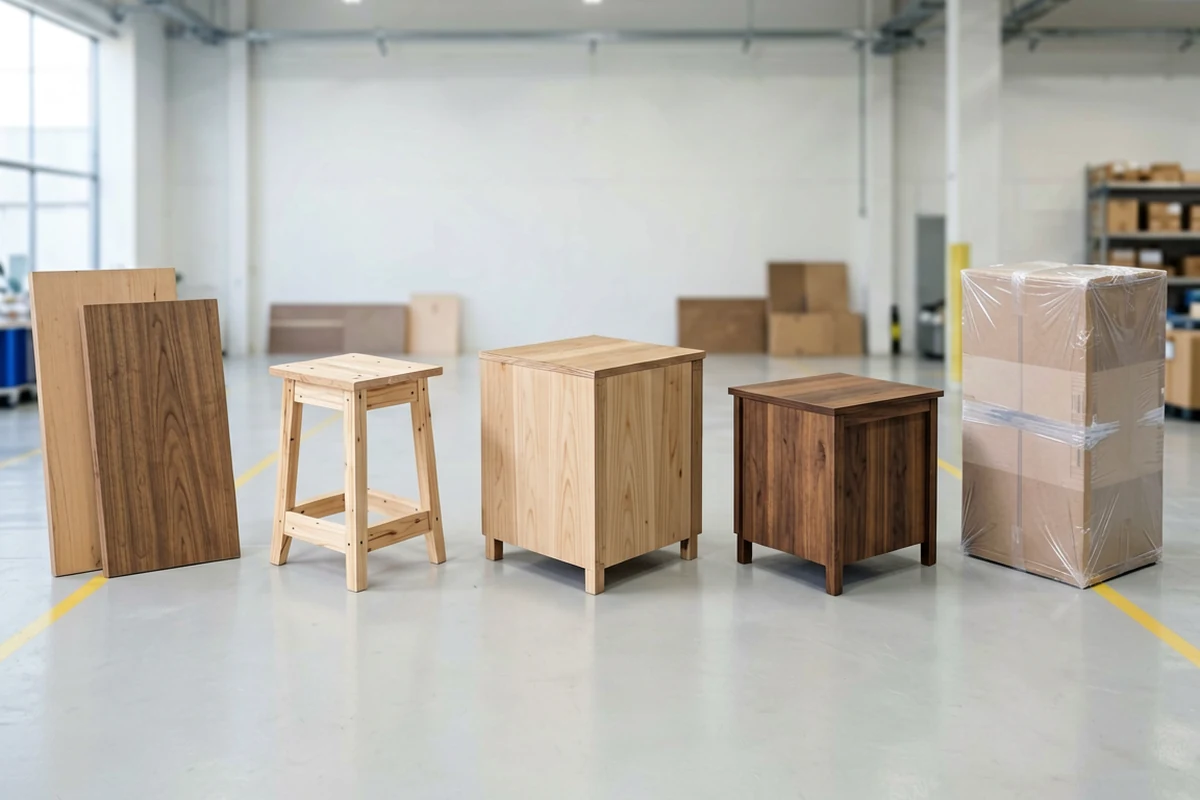
Factory, trader, and coordinator: know what you are evaluating
| Supplier model | Strength | Risk | Evaluation question |
|---|---|---|---|
| Direct factory | Production control for its own category | Limited capability outside core products | Which items are made in-house and which are outsourced? |
| Trading company | Broad supplier access | Weak process visibility if evidence is not controlled | How are drawings, samples, deviations, and QC records tracked? |
| Multi-factory coordinator | Can align many categories and shipments | Needs disciplined responsibility map | Who owns sample approval, inspection closure, packing, and export documents? |
| Design-led showroom supplier | Strong presentation and concept support | May hide production limitations | Can you show production records from comparable hotel packages? |
| Low-price factory | Attractive first quote | Higher risk of substitutions or vague packaging | What evidence is included before deposit and before shipment? |
For a hotel buyer, the safest shortlist often includes fewer names but better evidence. A supplier that can answer these questions clearly is easier to compare, audit, sample, and manage after deposit.
Evidence request template by hotel area
For hotel casegoods, request shop drawings, material schedule, veneer or laminate detail, hardware reference, edge detail, finish sample, cable or power interface, installation note, packing method, and replacement-part route. For lobby furniture, request frame construction, upholstery material, foam or cushion notes, finish samples, cleaning instructions, inspection photos, and carton labels by zone. For banquet furniture, request stacking or movement details, durability claims if made, glide or foot details, packing method, and spare-part support. For public-area seating, request layout dimensions, upholstery evidence, cleaning instructions, accessibility coordination questions, and replacement-panel method.
At minimum, the evidence package should include company and production role statement, factory audit or capability evidence, marked shop drawings, open-question log, material schedule, finish sample, hardware board, upholstery swatch where relevant, mock-up plan, sample approval log, deviation log, inspection checklist, inspection photo examples, nonconformance closure route, packing plan, carton-label sample, room or zone schedule, export-document sample, lead time timeline, responsible-contact map, and replacement-part method.
Additional procurement risk scenarios
Fifth, export-document gaps can slow customs, warehouse receiving, and project reconciliation. A supplier may make good furniture but still provide weak commercial invoices, packing lists, product descriptions, or shipping marks.
Sixth, schedule optimism hides decision dependencies. A manufacturer may quote a production lead time without tying it to drawing approval, sample approval, deposit date, material procurement, inspection, packing, and shipping. A useful timeline shows decision dates and what happens when a buyer or supplier misses them.
Seventh, responsibility splits become invisible. A factory, trader, and coordinator may all be involved, but if nobody owns drawing comments, sample retention, inspection closure, export documents, and carton labels, the buyer is carrying the project risk.
Mock-up room and sample approval workflow
The mock-up room is not the same as a showroom. A showroom shows what a supplier wants to sell. A mock-up room tests whether the supplier can execute the buyer's drawings, finish expectations, hardware interfaces, installation assumptions, and guest-use details. Freeze the drawing set enough to quote, request labeled material and finish samples, review mock-up pieces against the same details expected in bulk production, document every deviation, and release production only when the buyer can see what sample is approved, what changed, who approved it, and how the change affects lead time or cost.
RON GROUP can support this evidence chain by organizing supplier responses into one comparison format, coordinating samples from multiple factories, checking that mock-up feedback is recorded, asking for inspection records before goods are packed, and aligning export-document and carton-label discussions with the shipment plan.
How RON GROUP supports manufacturer evaluation
RON GROUP can support the buyer as a sourcing and procurement partner when the project needs more than a single factory quote. The work may include comparing multiple factory capabilities, coordinating room and public-area samples, collecting supplier evidence, checking inspection records, organizing packing and label requirements, consolidating furniture shipment discussions, and keeping international communication tied to the project timeline.
The benefit is practical control. Instead of letting each factory answer in a different format, RON GROUP can help the buyer ask for a consistent package: drawings, samples, deviation logs, quality photos, packing plans, and lead time confirmation. This makes manufacturer comparison more realistic because price is reviewed together with evidence quality and delivery risk.
RON GROUP should not be presented as a guarantee that every issue disappears. Hotel furniture still needs buyer approval, designer review, project-specific compliance checks, and site coordination. The sourcing value is that problems are made visible earlier, while there is still time to change a supplier, revise a sample, clarify a finish, or adjust shipment planning.
Information gain: evidence chains reduce hotel project risk
The strongest custom hotel furniture manufacturer evaluation is built around an evidence chain. The chain starts with the room schedule and drawings, then connects material samples, finish boards, hardware references, mock-up comments, deviation logs, inspection photos, packing labels, export documents, and shipment communication. Each link answers a practical question: what was approved, who approved it, what changed, how was it checked, and how will the site identify it?
Without that chain, project risk moves silently from supplier to buyer. A finish change becomes a design dispute. A missing hardware set becomes a site delay. A vague packing list becomes a warehouse problem. A weak export description becomes a customs or reconciliation issue. The manufacturer may still be capable, but the buyer cannot prove what was agreed.
RON GROUP's sourcing and procurement role is to organize this evidence across multiple factory categories. Casegoods, loose furniture, restaurant furniture, banquet furniture, and public-area seating may not come from the same production line. A single evidence format lets the buyer compare manufacturers on control quality instead of comparing only price and portfolio photos.
Packaging and export-document control
Hotel furniture evaluation should include packaging and export-document questions before the purchase order. Ask for carton label examples, room-type marks, item codes, hardware packing method, packing list structure, commercial invoice descriptions, and shipping-mark format. These are not clerical details. They affect warehouse receiving, customs communication, container loading checks, site sorting, and claims if something is missing.
A supplier that cannot explain packing and documents during evaluation may still produce acceptable furniture, but it is asking the buyer to absorb more downstream coordination risk. A stronger supplier can show how item codes, room types, finish references, hardware sets, and carton labels connect to the same furniture schedule.
Procurement wording for the manufacturer shortlist
Before shortlisting, send every supplier the same request: identify which products are made in-house, which are outsourced, who owns drawing comments, who retains approved samples, who closes inspection issues, who prepares packing labels, who checks export documents, and who communicates shipment changes. The answer should name a responsible role, not only a company department.
This wording keeps the shortlist focused on execution evidence. The buyer is not asking which hotel furniture manufacturers in China are most famous. The buyer is testing whether a custom hotel furniture supplier can protect a real project through drawings, samples, QC, packing, documents, and logistics communication.
Explicit risk checklist before supplier selection
First, shortlist no manufacturer that quotes from renderings without marked drawings and an open-question log. Second, approve no sample stage unless finish, material, hardware, and upholstery references have labels, dates, and retained copies. Third, release no production order unless the mock-up or sample punch list has a deviation owner and closure record. Fourth, ship no hotel furniture package unless inspection photos, packing labels, hardware packs, export documents, and room or zone marks can be checked against the same furniture schedule.
This final risk screen keeps the buyer focused on whether a custom hotel furniture manufacturer can control evidence from quotation through container loading and site receiving.
Final decision tool: manufacturer scoring matrix
Use this scoring matrix before shortlisting.
| Criterion | 5-point evidence | 3-point evidence | 1-point evidence |
|---|---|---|---|
| Drawing response | Supplier returns marked drawings and open questions | Supplier confirms dimensions but misses interfaces | Supplier quotes from images only |
| Sample discipline | Labeled samples, finish log, retained references | Samples are available but not tied to item codes | Samples are informal or inconsistent |
| Quality control | Inspection checkpoints and photo records are shared | General QC process is described | No documented inspection route |
| Change management | Deviation log shows approval owner and impact | Changes are discussed by email only | Substitutions are handled after production |
| Packing and site readiness | Cartons connect to room type, item code, and hardware | Packing is described but not schedule-linked | Site team must sort goods manually |
| Communication | One responsible contact manages drawings, samples, QC, and shipping | Contacts exist by function | Buyer has to chase multiple uncoordinated people |
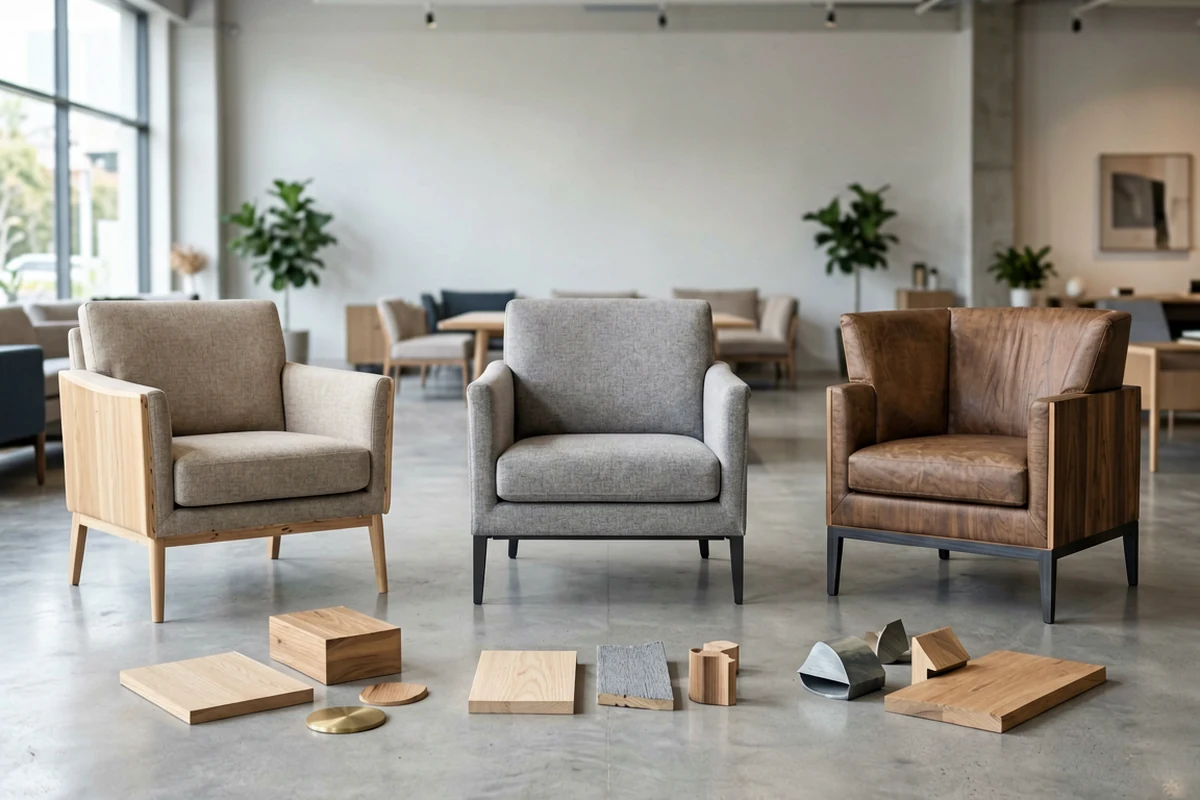
Request a manufacturer capability review
Before asking for final pricing, send the room schedule, furniture list, drawings, finish direction, target materials, quantity range, destination, mock-up or sample deadline, and decision timeline. RON GROUP can help organize a manufacturer evidence request, compare sourcing options, and prepare a clearer procurement package for sampling, quality control, packing, and shipment coordination. Request a manufacturer capability review when the supplier shortlist is ready for evidence-based comparison.
Useful references for evaluation include BIFMA furniture standards context, U.S. Access Board accessibility materials for project coordination questions, RON GROUP factory capability pages, and RON GROUP hospitality project examples.
Get the week's latest industry information
-
Real-Life Professional Restaurant Case Studies
Explore Now
-
Create a unique restaurant with over 95,700+products
Explore Now
-
Protessional Free 3D Restaurant Design
Explore Now
-
Still Have Questions About Opening a Restaurant?
Explore Now

Sylvia
With 8 years in catering & hospitality industry, sales manager of Ron Group, specialise in providing one stop solutions to restaurants, hotels and weddings.
Discover Our Exclusive Products
Explore our extensive range of restaurant and hotel supplies designed to enhance your operations. Find the perfect solutions to meet your needs.
Browse Our ProductsFREE 3D DESIGN
Boost your restaurant's success with our free 3D design service. Start building the restaurant of your dreams today!
Explore 3D Design Case
RECOMMENDED CASES
-

La Rambla by Catalunya: Crafting Barcelona's Soul in Hong Kong - Custom Furniture Excellence
RON Group's custom Spanish-inspired furniture elevates La Rambla with artisanal aesthetics...
Learn More -

Cardinal Point: Elevating Outdoor Seating with Tailored Cushion Upgrades
Discover how Cardinal Point transformed its outdoor dining experience with custom cushions, achievin
Learn More
RECOMMENDED BLOGS
-
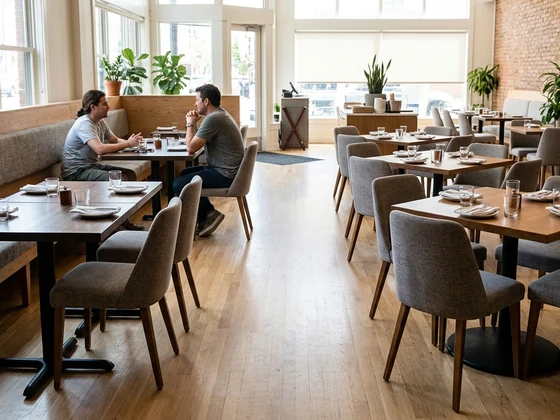
Restaurant Table Spacing and Aisle Clearance: Supplier Drawing Checklist
Check restaurant table spacing, aisle clearance, chair pullout, service path, and supplier drawing proof before approving a...
Sylvia2026-07-20 -

5 Mistakes to Avoid When Buying Restaurant Furniture from China
Don't fall for costly oversights! Learn the 5 mistakes to avoid when buying restaurant furniture from China and ensure a...
 Ron2025-01-079 min read
 -

RON GROUP Launches VR Experience to Explore Our Dynamic Showroom
Discover RON GROUP's VR showroom! Explore dining furniture, tableware, and customized services virtually or visit us in person to...
Sylvia2024-12-163 min read
Subscribe to RON GROUP
Stay up-to-date with the latest industry insights and expert advice. Together, we'll create your ideal restaurant.