






Content

Selecting mugs and cups for a commercial cafe operation requires a mixed-specification approach that aligns drinkware with specific beverage recipes, service modes, wash processes, and replenishment risks. Rather than searching for a single universal cup, beverage directors and tabletop buyers must evaluate materials for regulatory compliance and cleanability, match capacities to the menu program, validate samples through commercial warewashing cycles, and establish a data-driven replenishment schedule.
The decision to procure coffee shop drinkware cannot be reduced to selecting a single aesthetic or material. A successful procurement strategy requires a specification tailored to the distinct requirements of different beverages, the operational realities of the service mode, the rigors of the wash process, and the financial implications of replenishment.
To execute this, tabletop buyers should follow a structured decision sequence: 1. Map the Beverage and Service Program: Define the exact volume requirements for every drink on the menu and identify how the service mode dictates handling requirements. 2. Select Materials by Use Case: Evaluate porcelain, stoneware, and tempered glass against regulatory frameworks for food contact safety and cleanability. 3. Define Capacities and Formats: Specify brimful capacities, internal geometries, and handle ergonomics based on exact supplier capacity drawings rather than generic size labels. 4. Validate Through Wash Cycles: Subject physical samples to the exact commercial warewashing equipment used in the facility to verify cleanability and identify design flaws like water pooling. 5. Establish a Replenishment Log: Track breakage and loss data to inform accurate par levels and reorder frequencies. 6. Execute a Detailed RFQ: Demand exact-model declarations, compliance testing evidence, and capacity specifications from suppliers.
By adhering to this sequence, operators mitigate the risks of non-compliant materials, mismatched capacities, and unpredictable replacement costs.
1. Map the Beverage and Service Program
The foundation of any drinkware specification is the cafe’s beverage menu. Coffee programs typically segment into espresso, milk-based espresso drinks, batch-brewed filter coffee, manual pour-overs, and signature beverages. Each category demands specific volumetric parameters to maintain the intended ratio of coffee to milk or water.
While the SCA Coffee Standards provide a rigorous context for coffee preparation, brewing parameters, and sensory evaluation, they do not prescribe one universal hospitality cup size or material. Therefore, buyers must define their own volumetric standards based on their specific recipes. For example, a traditional macchiato requires a significantly smaller vessel than a modern flavored latte, and serving a small volume of liquid in an oversized cup can negatively impact the presentation and the perceived value of the beverage.
Beyond the beverage itself, the service mode heavily influences the specification: * High-Volume Counter Service: Operations prioritizing speed and high turnover require drinkware that is easily stackable, features universal saucers to reduce SKU complexity, and possesses thick rims to withstand rapid bussing and mechanical impact in the dish pit. Storage footprint is a primary concern; cups must nest securely without locking together. * Dine-In Table Service: Cafes offering seated service may prioritize specialized formats, such as distinct cup shapes for flat whites versus cappuccinos, or delicate handle designs that align with a specific dining aesthetic. The pace of service allows for more careful handling, accommodating materials or shapes that might not survive a high-volume counter environment. * Outdoor or Patio Service: Drinkware used in outdoor settings faces higher risks of dropping on hard surfaces (like concrete or stone), necessitating a review of the material's impact resistance and the financial viability of frequent replacement. Operators must calculate the expected attrition rate for outdoor service when establishing initial order quantities.
Mapping these variables before engaging suppliers ensures that the resulting Request for Quotation (RFQ) is grounded in operational reality rather than aesthetic assumptions.

2. Material-by-Use Matrix
Commercial coffee shop drinkware is predominantly manufactured from porcelain, stoneware/ceramics, or glass. Each material presents distinct operational characteristics and regulatory compliance requirements. Buyers must not infer compliance or durability from a material's generic name; exact product and testing evidence is mandatory.
Porcelain
When sourcing commercial porcelain and ceramic tableware, buyers must evaluate the vitrification level of the product. Porcelain is fired at extremely high temperatures, resulting in a fully vitrified, non-porous body. This high degree of vitrification makes porcelain highly resistant to moisture absorption, which is critical for preventing bacterial growth and ensuring long-term cleanability. In commercial settings, porcelain is often the baseline standard due to its structural density and compatibility with high-temperature commercial dishwashers.
Stoneware and Ceramics
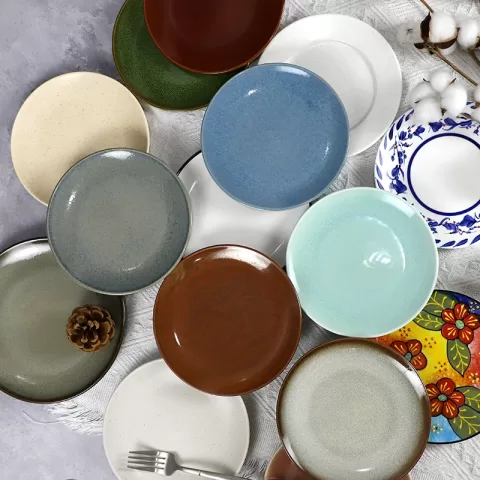
Stoneware and traditional ceramics offer diverse aesthetic options, including reactive glazes and textured finishes. However, because they are typically fired at lower temperatures than porcelain, they may retain a degree of porosity if the glaze is compromised. The primary procurement concern with ceramics is the stability and safety of the glaze.
When sourcing ceramics, buyers must strictly verify compliance with heavy metal migration limits. The FDA Ceramicware Lead Current enforcement guidance outlines the specific criteria and testing methodologies used to determine if pottery and ceramics exceed allowable lead contamination levels. Furthermore, the broader FDA Lead Foodwares guidance emphasizes the necessity of lead controls for all tableware and food-contact surfaces. Buyers must request current, exact-market testing evidence (such as ASTM C738 test reports) for the specific SKUs being purchased, rather than accepting blanket "food safe" claims.
Tempered Glass
Glass is frequently specified for layered espresso drinks (like cortados or lattes) to showcase the visual contrast between the coffee and milk. For commercial use, glass must be tempered—a process of controlled thermal or chemical treatment—to withstand the thermal shock of receiving near-boiling liquids and the mechanical stress of commercial warewashing. Untempered glass poses a significant safety risk in a fast-paced cafe environment.
Regulatory Frameworks for Cleanability and Contact
Regardless of the chosen material, all multiuse utensils must comply with local health regulations. The FDA Food Code 2022 provides the model code framework for multiuse utensil materials, cleanability, and warewashing standards in the United States, stipulating that food-contact surfaces must be smooth, easily cleanable, and resistant to damage from normal use and commercial dishwashing chemicals. Note that this is a model code; local adopted rules ultimately control compliance. For operations in or sourcing from Europe, materials must align with the EC Food Contact Materials framework, which governs the chemical safety of materials intended to come into contact with food. Applicable rules depend on the specific material and the destination market.
Table 1: Material-by-Use Matrix
| Material Category | Typical Cafe Application | Cleanability & Regulatory Focus | Procurement Evidence Required |
|---|---|---|---|
| Commercial Porcelain | High-volume espresso, milk drinks, batch brew. | High vitrification supports FDA Food Code cleanability standards. | Exact-model capacity drawings; vitrification/porosity test results. |
| Stoneware / Ceramics | Slow-bar service, signature drinks, pour-overs. | Glaze stability and heavy metal migration limits. | Current lead/cadmium extraction test reports (e.g., ASTM C738) per FDA guidance. |
| Tempered Glass | Cortados, layered lattes, iced beverages. | Thermal shock resistance and smooth surface maintenance. | Tempering certification; thermal shock resistance declarations. |
3. Capacity and Format Schedule
Because there is no universally mandated size for a cappuccino, latte, or flat white, buyers must define their capacity schedule based on their specific beverage program. A critical distinction in procurement is the difference between "brimful capacity" (the absolute maximum volume a cup can hold before spilling) and "serving capacity" (the actual volume of the beverage).
If a cafe's beverage recipe fills a vessel to its brimful capacity, spills become more likely during service. Buyers should specify usable capacity separately from brimful capacity and validate headspace with the actual recipe before approving the item.
Format and Geometry Considerations
Beyond volume, the physical format of the cup impacts both the barista's workflow and the operational lifespan of the item: * Internal Curvature: Many specialty coffee cups feature a continuous internal curve (a bowl shape) rather than sharp internal angles. This geometry is often specified to facilitate the smooth incorporation of steamed milk and the preservation of espresso crema during pouring, preventing the milk from breaking against a hard corner. * Rim Thickness: A thicker rim generally provides greater resistance to chipping during bussing and washing. However, buyers must balance this against the desired mouthfeel for the beverage. Espresso cups often feature thicker walls to retain heat, while filter coffee cups may utilize slightly thinner rims. * Handle Ergonomics: Handles must provide sufficient finger clearance to prevent the user's knuckles from resting against the hot exterior of the cup. The handle's attachment point is also a common failure zone; buyers should inspect samples for secure, seamless joints that do not present weak points under mechanical stress. * Saucer Compatibility: To minimize inventory complexity, many operators specify a "universal saucer" system, where a single saucer design features multiple well diameters to accommodate the bases of espresso, cappuccino, and latte cups. This reduces the number of distinct SKUs that must be tracked, stored, and replenished.
Table 2: Capacity and Format Schedule
| Beverage Category | Common Serving Volume Range | Format & Geometry Considerations | Saucer / Accessory Pairing |
|---|---|---|---|
| Espresso (Single/Double) | 2 oz – 3 oz | Thick base for temperature stability; narrow diameter to preserve crema. | Dedicated espresso saucer or universal small saucer. |
| Macchiato / Cortado | 3 oz – 5 oz | Often served in tempered glass or small ceramic cups; requires precise volume to maintain strong coffee-to-milk ratio. | Small saucer or served directly on a napkin/tray. |
| Cappuccino / Flat White | 5 oz – 8 oz | Continuous internal curve for milk pouring; wide surface area for latte art. | Universal medium saucer. |
| Latte / Mocha | 10 oz – 16+ oz | Larger handle for weight balance; sufficient brimful clearance to prevent spills. | Universal large saucer. |
| Batch Brew / Filter | 8 oz – 16+ oz | Standard mug format; vertical walls; stackability is often prioritized for high-volume drip stations. | Often served without a saucer. |
4. Sample and Wash-Cycle Validation Plan
Procurement decisions should never be finalized based solely on digital catalogs or generic durability claims. Buyers must request physical samples of the shortlisted drinkware and subject them to a rigorous validation plan within their actual operational environment.
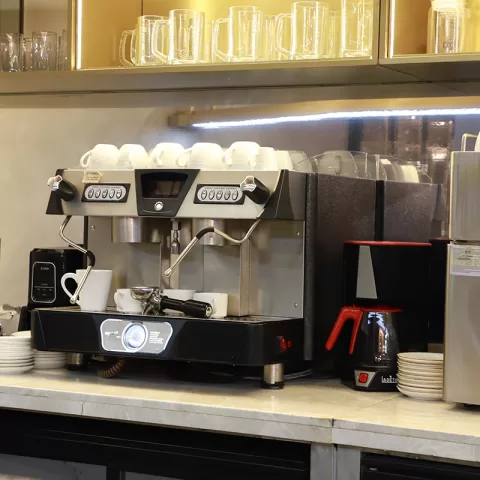
The most critical phase of this validation is the wash-cycle test. Samples should be run through the cafe's exact commercial warewashing equipment for a minimum of 20 to 50 cycles. If your procurement timeline does not allow for extensive in-house testing, contact our team to request baseline warewashing compatibility data for specific models. This process verifies several operational requirements: 1. Water Pooling: Inspect the foot (base) of the cup immediately after the wash cycle. Cups with deep, un-notched bases will pool water, which fails to dry properly, slows down the bussing process, and can drip onto customers or tables during service. Specify cups with flat bases or drainage notches to facilitate rapid drying. 2. Glaze Degradation: Commercial dishwashing chemicals are highly alkaline and can etch or dull inferior glazes over time. Compare the washed sample against an unwashed control sample to check for surface degradation, which compromises the cleanability standards outlined in the FDA Food Code. 3. Thermal Shock: The rapid transition from a hot wash/rinse cycle to a cool ambient environment tests the material's resistance to thermal shock. Inspect the samples for micro-cracking or crazing in the glaze after repeated cycles. 4. Stacking Stability: If the cups are designed to be stackable, test their stability when stacked three or four high on top of the espresso machine or on storage shelves. Ensure they do not lock together (which causes breakage when pulled apart) or lean precariously under vibration.
5. Replenishment and Breakage Evidence Log
Drinkware is a consumable asset in a commercial cafe. Breakage, chipping, and loss (theft or accidental disposal) are inevitable. Therefore, the initial procurement cost is only a fraction of the total cost of ownership. Buyers must establish a data-driven replenishment strategy rather than relying on supplier promises of unbreakability.
Implement a breakage evidence log to track the lifespan of the drinkware. The log should record: * Date of Incident * Exact SKU / Item * Location of Failure: (e.g., dish pit, espresso machine, customer table, patio) * Type of Failure: (e.g., chipped rim, broken handle, shattered body, thermal crack)
Analyzing this data allows operators to identify systemic issues. For example, if a specific latte cup consistently suffers broken handles in the dish pit, the operator can investigate whether the bussing tubs are being overloaded or if the cup's handle design is inherently weak.
This evidence log directly informs the calculation of par levels (the minimum inventory required to operate smoothly) and reorder triggers. By understanding the actual attrition rate of each specific cup size, buyers can negotiate accurate annual replenishment contracts with their suppliers, ensuring they never run out of critical service items while avoiding over-purchasing slow-moving SKUs. Reviewing a comprehensive tableware collection overview during the initial specification phase helps buyers confirm that the selected items are part of a manufacturer's core continuous-production catalog, mitigating the risk of standardizing on a discontinued line.
6. RFQ Checklist and RON GROUP CTA
When transitioning from specification to sourcing, a structured Request for Quotation (RFQ) ensures that suppliers provide actionable data rather than marketing rhetoric. Use the following checklist when issuing an RFQ for coffee shop mugs and cups:
Capacity Specifications: Request exact engineering drawings showing both brimful capacity and recommended serving capacity in ounces and milliliters, ensuring alignment with your established beverage ratios.
Material Declarations: Require exact material composition details (e.g., fully vitrified porcelain, tempered glass) rather than generic trade names, allowing for accurate assessment of thermal mass and durability.
Regulatory Compliance Evidence: Demand current, exact-model laboratory test reports for lead and cadmium migration (e.g., ASTM C738) to verify compliance with FDA or EC frameworks. Do not accept generic "food safe" letters or outdated factory certificates.
Dimensional Tolerances: Request data on the maximum variance in height and diameter, which impacts stackability, saucer fit, and storage footprint in the dish pit.
Sample Availability: Confirm the supplier's ability to provide physical samples for wash-cycle validation and barista workflow testing prior to bulk ordering.
Replenishment Lead Times: Require documented lead-time commitments for reorders and confirmation of how long the specific SKU will remain in production to avoid standardizing on a discontinued line.
Executing a precise drinkware specification requires access to reliable materials, transparent compliance data, and consistent inventory support. To streamline your procurement process, explore the product categories in our full catalog to identify items that match your capacity schedule. You can also review our project case studies to examine how other hospitality operators have structured their drinkware programs. For operations requiring comprehensive, multi-category solutions, we offer tailored cafe supply packages designed to align with specific service models and menu requirements. Get in touch with our team to initiate your RFQ process, request compliance documentation, and secure a reliable drinkware supply chain.
Get the week's latest industry information
-
Real-Life Professional Restaurant Case Studies
Explore Now
-
Create a unique restaurant with over 95,700+products
Explore Now
-
Protessional Free 3D Restaurant Design
Explore Now
-
Still Have Questions About Opening a Restaurant?
Explore Now

Sylvia
With 8 years in catering & hospitality industry, sales manager of Ron Group, specialise in providing one stop solutions to restaurants, hotels and weddings.
Discover Our Exclusive Products
Explore our extensive range of restaurant and hotel supplies designed to enhance your operations. Find the perfect solutions to meet your needs.
Browse Our ProductsFREE 3D DESIGN
Boost your restaurant's success with our free 3D design service. Start building the restaurant of your dreams today!
Explore 3D Design Case
RECOMMENDED CASES
-
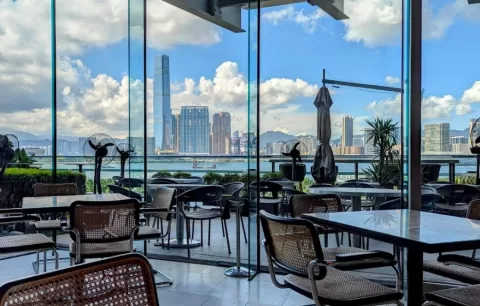
La Rambla by Catalunya: Crafting Barcelona's Soul in Hong Kong - Custom Furniture Excellence
RON Group's custom Spanish-inspired furniture elevates La Rambla with artisanal aesthetics...
Learn More -

Cardinal Point: Elevating Outdoor Seating with Tailored Cushion Upgrades
Discover how Cardinal Point transformed its outdoor dining experience with custom cushions, achievin
Learn More
RECOMMENDED BLOGS
-

Bar Glassware 101: Types, Names, Uses, and How to Stock Your Bar
Learn the 10 core bar glassware types, names, and uses. Discover how to stock your bar with the right glasses for cocktails, beer,...
Sylvia2026-07-26 -
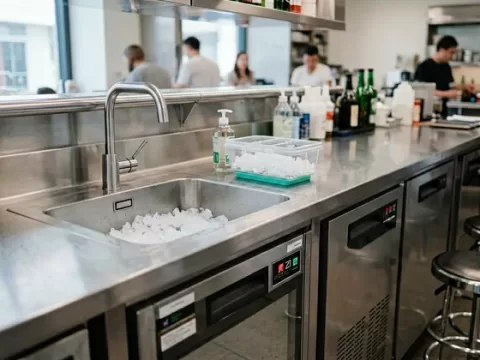
Complete Bar Equipment List for Opening a Bar
Plan a complete commercial bar equipment list by menu, service volume, refrigeration, ice, glassware, utilities, sanitation,...
Sylvia2026-06-11 -

Low Budget Restaurant Interior Design: 2026 Trends
Prioritize a low-budget restaurant interior by protecting code, operations, durability, accessibility, and phased design decisions...
Sylvia2026-04-04
Subscribe to RON GROUP
Stay up-to-date with the latest industry insights and expert advice. Together, we'll create your ideal restaurant.