

The 2025 Imperative: Navigating the Twin Tides of Digital Transformation and Sustainable Operations
Content
The global restaurant industry stands at a pivotal juncture in 2025. Operators are navigating a complex economic environment defined by a tug-of-war between persistent inflation and robust consumer demand, a dynamic detailed in recent KPMG analysis. Projections from the National Restaurant Association indicate industry sales will reach a landmark $1.5 trillion, demonstrating a resilient consumer base that continues to prioritize dining out. However, this optimism is tempered by significant headwinds, including high input costs for both food and labor, which a recent Deloitte survey found is a top concern for 88% of executives. In this landscape, the path to sustained profitability is no longer paved with traditional operational models. Success now hinges on the strategic embrace of two powerful, interconnected forces: comprehensive digitalization and deeply integrated sustainability.
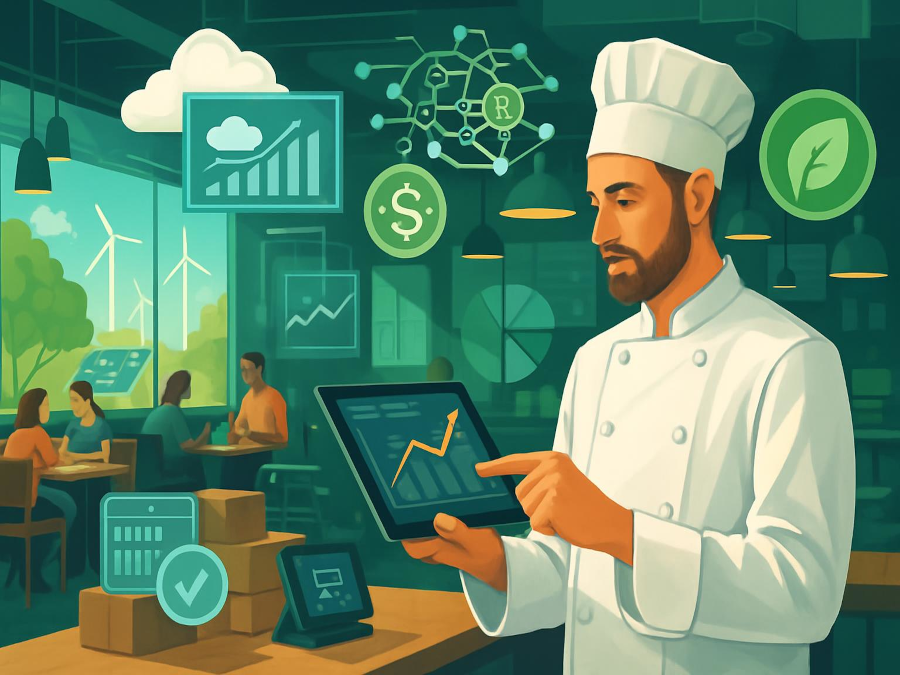
These are not separate priorities; they are a single, symbiotic imperative. The technologies driving digital transformation are the very tools that enable meaningful, measurable, and profitable sustainability. Artificial Intelligence (AI) platforms for predictive inventory management are, in effect, sophisticated food waste reduction systems. Blockchain-enabled supply chains, which offer unprecedented logistical visibility, are also the foundation for providing the ethical sourcing transparency that, according to industry trend reports, modern consumers increasingly demand. This convergence resolves the outdated notion that investing in technology and pursuing environmental responsibility are mutually exclusive. In 2025, technology is the fundamental enabler of a future that is both profitable and purposeful.
However, a critical challenge threatens to stall this progress: the operational maturity gap. While discourse centers on advanced technologies, a staggering 42% of restaurant operators still rely on manual, pen-and-paper or spreadsheet-based systems for core functions. This is not merely an inefficiency; it is a foundational weakness that creates a chasm between digital leaders and laggards. Advanced systems like AI-driven demand forecasting require a constant stream of clean, accurate, real-time data to function effectively, a foundational requirement for modern restaurant tech. Manual processes, by their nature, produce data that is delayed, siloed, and prone to error. An operator cannot implement an AI model to reduce food waste if their inventory data is not digitized and integrated with their Point-of-Sale (POS) system. Therefore, the primary barrier for many is not the cost of next-generation technology, but the failure to invest in the foundational digital infrastructure that makes it viable. Closing this maturity gap is the essential first step toward building the data-rich environment that future-focused systems need to succeed.

Pillar I: The Digitalization of the Restaurant Supply Chain
Digital transformation is reshaping every facet of the restaurant ecosystem, from the heat of the kitchen to the customer’s fingertips. This evolution is not about adopting technology for its own sake, but about building an integrated, data-driven operation that is more efficient, resilient, and responsive. In 2025, this transformation is most pronounced in three key areas: back-of-house automation, transparent supply chains, and a deeply connected customer experience.
The Smart, Automated Kitchen: Redefining Back-of-House Efficiency
The modern commercial kitchen is becoming a hub of intelligent technology designed to optimize labor, reduce waste, and ensure consistency.
AI-Powered Inventory and Waste Management: The most significant shift in back-of-house (BOH) operations is from reactive stock-taking to proactive, predictive inventory management. Advanced software leverages AI to analyze historical sales data, seasonal trends, and even weather patterns to forecast demand with remarkable accuracy, with some systems capable of reducing inventory errors by up to 50%. This data-driven approach directly combats food waste, a major drain on profitability that can account for 4% to 10% of all food purchases. Complementing this are IoT sensors in storage units, which provide 24/7 temperature monitoring. These systems send real-time alerts if conditions fall out of safe ranges, preventing costly spoilage and ensuring meticulous compliance with food safety regulations that are critical in a disrupted supply chain.
Robotics and Automation in Food Prep: While fully automated kitchens are not yet the norm, robotics are making significant inroads in handling repetitive tasks. Automated fry stations, robotic arms for chopping, and automated beverage dispensers are increasing throughput and improving consistency. In some quick-service restaurant (QSR) models, full-scale kitchen automation has been shown to reduce labor costs by as much as 50%. This automation frees skilled culinary staff from mundane tasks, allowing them to focus on menu innovation and quality control.
Smart and Multifunctional Equipment: As kitchen footprints shrink, operators are prioritizing compact, multifunctional equipment. Smart combi ovens, for example, can perform the functions of a convection oven, steamer, and grill in a single unit, saving valuable space—a key consideration for modern kitchen design. These appliances are increasingly equipped with IoT connectivity, allowing for remote management via cloud-based dashboards like Alto-Shaam’s ChefLinc. They can also run self-diagnostics to predict maintenance needs, minimizing costly downtime. Furthermore, investing in ENERGY STAR-rated smart equipment can reduce energy consumption by 15-25%, delivering significant long-term operational savings.
From Farm to Fork: Technology-Driven Supply Chain Transparency and Resilience
The complexity of modern supply chains has made technological intervention essential for procurement and logistics.
Digital Procurement Platforms: The days of manual purchasing are numbered. Integrated procure-to-pay (P2P) platforms are automating the entire workflow, from generating purchase orders to processing invoices. This automation can slash invoice processing cycles by up to 70%. For multi-unit operators, these centralized systems provide unprecedented real-time visibility into spending, enabling them to consolidate purchasing and negotiate better contracts.
AI-Driven Sourcing and Supplier Management: AI is transforming procurement from a cost center to a strategic function. AI-powered platforms can analyze factors beyond price to optimize supplier selection based on criteria like reliability and sustainability. This capability is crucial as operators adopt a multishoring strategy to build resilience. To mitigate these risks, over 90% of American companies are now implementing a supplier diversification model. For those considering global partners, it’s essential to understand the nuances of the process and avoid common mistakes when buying restaurant furniture from China.
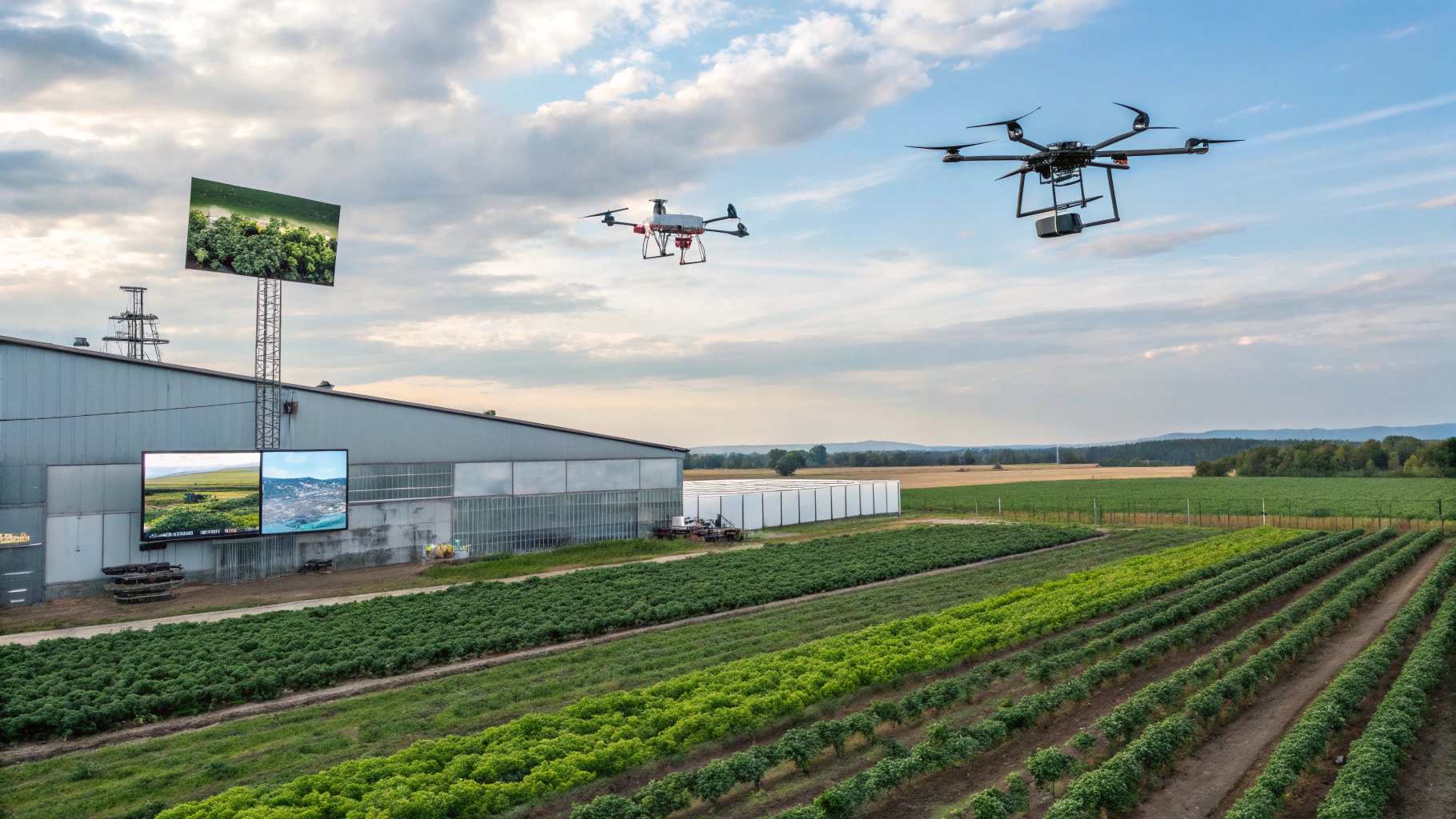
Blockchain for Ultimate Transparency: As consumers and regulators demand proof of origin, blockchain technology is emerging as the gold standard. By creating a secure, immutable digital ledger, it allows every stakeholder to trace an ingredient’s complete journey through a secure digital ledger. This technology provides verifiable proof for claims related to sustainably sourced products, building a level of consumer trust that, as food and beverage trends show, is impossible to achieve through marketing alone.
The Connected Customer Ecosystem
The final frontier of digitalization is the direct interface with the guest, where technology creates seamless, personalized experiences.
Hyper-Personalization at Scale: Restaurants are leveraging data from loyalty programs and POS systems to create deeply personalized experiences. This includes dynamic digital menus that adapt to a diner’s preferences, geo-targeted promotions, and AI-powered chatbots that can handle a range of customer service functions from reservations to menu suggestions.
The Strategic Shift to First-Party Ordering: The rapid growth of third-party delivery apps was a lifeline during the pandemic, but it came at a steep cost. These platforms not only erode profitability with commission fees that can reach 35% per order, but they also sever the direct data link between the restaurant and its customer. The defining trend for 2025 is a pivot towards in-house ordering channels to reclaim ownership of customer data.
This customer data is the essential fuel that powers the modern restaurant engine. It allows for the hyper-personalization that drives loyalty. It provides the granular insights needed for effective menu engineering. Crucially, it is the real-world sales information that trains the AI algorithms used for BOH inventory forecasting. By ceding this data to third-party aggregators, restaurants give away their most valuable competitive asset. In the 2025 landscape, owning your digital channels is synonymous with owning your future.
| Technology | Application Area | Key Benefits & Supporting Data |
|---|---|---|
| AI-Powered Inventory Management | Back-of-House (BOH) | Reduces food waste by 30-50% and cuts inventory errors by up to 50%. |
| Robotic Process Automation (RPA) | BOH / Front-of-House (FOH) | Can reduce labor costs by up to 50% in some kitchen models and optimizes staffing by 10-20%. |
| IoT-Enabled Equipment | BOH | Reduces energy costs by 15-25% and minimizes downtime with predictive maintenance alerts. |
| Digital Procure-to-Pay (P2P) Platforms | Supply Chain / Procurement | Cuts invoice processing cycles by up to 70% and provides real-time visibility into spending. |
| Blockchain for Traceability | Supply Chain / Procurement | Provides immutable verification of ethical and sustainable sourcing claims, building consumer trust. |
| Hyper-Personalization Engines | FOH | Increases average check size by 12-30% through intelligent upselling and tailored offers. |
Pillar II: Sustainability as a Core Business Strategy
In 2025, sustainability has become a central pillar of operational strategy. This shift is propelled by overwhelming consumer demand, increasing regulatory pressure, and a clear, data-backed business case for resource efficiency. Successful operators are integrating it into every aspect of their business, from kitchen workflows to procurement policies.
The Rise of the Circular Kitchen: From Zero-Waste to Value Creation
The concept of a “zero-waste” kitchen is evolving into a “circular kitchen” model, where waste is transformed into a source of value.
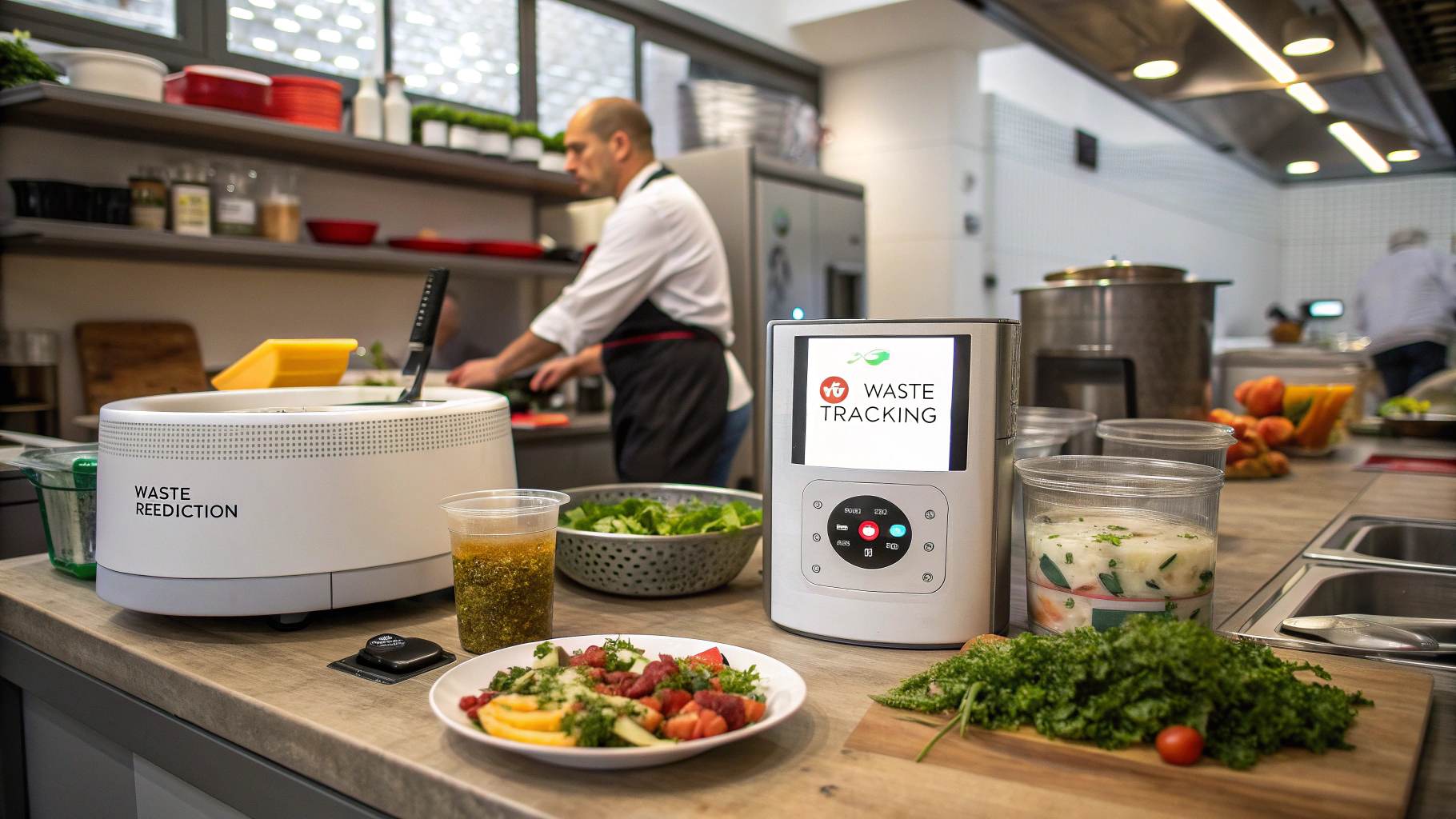
Systematic Waste Reduction: The foundation of the circular kitchen is a “measure-to-manage” philosophy. Leading operators are implementing AI-powered waste tracking systems to provide granular data on what is being discarded. This allows chefs to identify areas of overproduction, enabling targeted interventions that can reduce overall food costs by a significant 2-6%.
Repurposing and Upcycling: Creativity is a key component of the circular kitchen. Chefs are increasingly adopting “root-to-stem” and “nose-to-tail” culinary approaches, where every part of an ingredient is utilized. Vegetable scraps are transformed into broths, while excess prepared food can become staff meals or new menu items. This practice minimizes waste and turns a potential cost center into a value stream.
Closing the Loop: The circular model extends beyond the kitchen. A prime example is recycling used cooking oil. Instead of being discarded, this waste product is collected by specialized companies and refined into valuable commodities like renewable diesel and sustainable aviation fuel. This creates a closed-loop system where restaurants can sometimes receive rebates for their waste, turning a liability into an asset.
Conscious Procurement: The New Standard in Supplies and Sourcing
With a significant portion of restaurant business now coming from off-premise orders, procurement decisions—especially regarding packaging—have a direct impact on a brand’s sustainability profile.
The Shift to Eco-Friendly Disposables: The industry is making a definitive pivot away from single-use plastics. The market is now rich with compostable and biodegradable alternatives. Materials such as sugarcane (bagasse), bamboo, and Polylactic Acid (PLA) are becoming standard for takeout containers, cutlery, and cups. Procurement specialists must carefully evaluate the properties of each material to ensure both operational performance and genuine environmental benefit.
Ethical and Local Sourcing: Consumer preference is the primary force driving this trend. An overwhelming 78% of consumers state they are more likely to patronize restaurants that source ingredients locally. This has transformed transparent sourcing into a powerful marketing tool. Highlighting partnerships with local farms and featuring sustainably certified products are no longer just differentiators; they are becoming core consumer expectations.
Regulatory Compliance: The push for sustainable sourcing is also coming from governmental bodies. New regulations, particularly in the European Union, are mandating greater supply chain transparency. Directives like the EU Deforestation-Free Regulation (EUDR) require companies to provide verifiable proof that key commodities are not contributing to deforestation. For global restaurant groups, ethical sourcing is rapidly transitioning from a brand choice to a legal necessity.
Beyond the Plate: Optimizing Energy and Water Consumption
A comprehensive sustainability strategy addresses the significant resource consumption of daily operations.
Investing in Efficiency: Upgrading to ENERGY STAR-rated kitchen equipment is a fundamental strategy for reducing long-term operational costs. High-efficiency refrigeration, induction cooktops, and smart HVAC systems can reduce energy consumption by up to 20%, delivering substantial savings on utility bills over the equipment’s lifespan.
Water Conservation: As water scarcity becomes a more pressing global issue, restaurants are adopting conservation measures as standard practice. The installation of low-flow faucets and pre-rinse spray valves, along with water-recycling systems, can significantly reduce water consumption and provide direct cost savings.
| Material | Best Use Case | Pros | Cons | Cost Implications |
|---|---|---|---|---|
| Sugarcane/Bagasse | Hot, oily, or greasy foods; takeout containers | Microwave-safe, sturdy, biodegradable, compostable | Production can be energy-intensive; regional availability may vary | Higher upfront cost than plastic, but can lower waste fees in areas with composting |
| Bamboo | Upscale presentations; dry or cold dishes | Elegant appearance, highly renewable, lightweight yet durable | Higher price point; less suitable for liquid-heavy foods | Premium cost, positions brand as highly eco-conscious |
| PLA (Polylactic Acid) | Cold liquids (e.g., iced coffee), salads, deli containers | Clear for product visibility, made from renewable resources, compostable | Deforms at high temperatures; not suitable for hot foods or beverages | Moderate cost; aligns with strong eco-friendly branding and waste diversion goals |
| Recycled Paperboard | Sandwiches, pastries, dry goods, pizza boxes | Affordable, easily customizable for branding, recyclable | Can become soggy with moisture or grease if not coated; coatings can complicate recycling | Generally the lowest-cost eco-friendly option; balances affordability and sustainability |
The Convergence: Where Technology Powers Profitability and Purpose
The true power of the 2025 trends emerges at the intersection of digitalization and sustainability. Technology provides the tools to measure, manage, and market sustainability initiatives, transforming them from costly obligations into strategic assets that drive both revenue and reputation.
Quantifying and Marketing Sustainability with Digital Tools
In an era of heightened consumer skepticism, vague environmental claims are no longer effective. Technology enables restaurants to back up their sustainability efforts with hard data, fostering a level of transparency that builds profound customer trust.
From Vague Claims to Verifiable Metrics: Digital platforms empower operators to move beyond generic statements. For instance, specialized software can calculate the specific carbon footprint of each dish, empowering diners to make informed, eco-conscious choices. Similarly, AI-powered waste tracking systems generate precise data on waste reduction, providing quantifiable metrics that can be used to demonstrate tangible progress in annual impact reports.
Communicating Authenticity: Modern consumers demand transparency. Research shows that 44% of diners prefer to learn about a restaurant’s sustainability efforts directly from the menu. Digital channels are indispensable for this communication. A website can feature profiles of local farm partners, and a QR code on a compostable container can link to a webpage detailing the company’s waste reduction program. This multi-channel storytelling builds an authentic narrative that resonates with customers and fosters long-term loyalty.
The ROI of Responsibility: A Data-Backed Analysis
The most significant driver for adoption is the clear return on investment (ROI). The financial benefits are no longer theoretical; they are proven and quantifiable.
The Willingness to Pay a Premium: The business case begins with strong consumer demand, as a remarkable 72% of diners report they are willing to pay more to eat at a restaurant that prioritizes sustainable practices. This trend is particularly pronounced among younger demographics, with 74% of Millennials and 72% of Gen Zers willing to pay a premium for sustainable goods.
Direct Cost Savings: For operators focused on the bottom line, direct cost reductions are the most powerful argument. The data is conclusive:
Food Waste Reduction: For every $1 invested in food waste reduction programs, restaurants realize an average of $7 to $8 in cost savings from reduced food purchasing and disposal fees.
Energy Efficiency: Investing in ENERGY STAR-rated smart kitchen equipment can lower utility bills by 15-25%.
Sustainable Sourcing: Prioritizing local and seasonal ingredients often reduces transportation costs and takes advantage of lower prices for produce at its peak abundance. This principle also applies to capital expenditures, where a smart strategy can help you source quality furniture at factory prices.
Revenue Growth and Enhanced Brand Value: The benefits extend beyond cost-cutting. A comprehensive study found that 79% of food and agriculture companies that invested in sustainability strategies reported revenue growth of more than 2%. A strong Environmental, Social, and Governance (ESG) profile is a powerful brand differentiator that attracts and retains both customers and top-tier talent.
In a fiercely competitive labor market, a robust sustainability program serves as a powerful advantage. Younger generations actively seek to work for companies that align with their personal ethics. A mission-driven workplace culture focused on positive environmental impact can be as compelling as salary and benefits, directly addressing the costly operational pain point of high employee turnover.
| Initiative | Reported ROI / Cost Savings | Operational Benefit |
|---|---|---|
| Food Waste Tracking & Reduction | For every $1 invested, restaurants realize ~$7-8 in cost savings. | Reduces overall food costs by 2-6% and improves inventory accuracy. |
| Investment in Energy-Efficient Equipment | Reduces utility costs by 15-25%. | Lowers long-term operational expenditures and reduces carbon footprint. |
| Sustainable Sourcing Programs | 79% of companies report revenue growth >2% from sustainability investments. | Attracts a loyal, higher-spending customer base and builds supply chain resilience. |
| Eco-Friendly Packaging | 42% of diners are willing to pay a premium for it. | Enhances brand reputation, meets consumer expectations, and reduces plastic waste. |
Strategic Outlook for 2025: Actionable Recommendations for Industry Leaders
Navigating these converging trends requires a strategic, phased approach. The future belongs to those who build an integrated system where digitalization and sustainability are mutually reinforcing.
A crucial first step is to conduct a dual audit of your current state. This involves a candid assessment of technological maturity—identifying where manual processes create bottlenecks—and a thorough review of sustainability performance. This baseline analysis will allow leaders to prioritize initiatives, distinguishing between foundational “quick wins” and long-term strategic investments.
Tailored Advice for the Audience:
For Restaurant Owners and Hotel General Managers: Focus on strategic vision. Ask how these trends can be woven into the core narrative of your business to create a distinct competitive advantage. Prioritize investments based on the highest potential ROI and the values of your target customer base. The goal is to build a brand that is authentically and visibly smart, efficient, and responsible.
For Operations Managers: Emphasize pragmatic implementation and team buy-in. Introduce new technologies with a phased rollout, starting with pilot programs to identify challenges. Develop comprehensive training programs to ensure staff can effectively use new systems and participate in sustainability initiatives. Fostering a culture that understands the “why” behind these changes is critical for success.
For Procurement Specialists: Focus on rigorous supplier vetting and strategic technology selection. Develop a formal, documented sustainable purchasing policy with clear criteria for evaluating suppliers on environmental and ethical standards. When selecting technology partners, prioritize vendors whose systems can seamlessly integrate with your existing tech stack to avoid creating new data silos.
The ultimate message for 2025 is one of integration. Enduring success will be achieved by leaders who recognize the profound symbiotic relationship between technology and sustainability. The most resilient and respected brands will be those that have built an operational ecosystem where every digital investment enhances sustainability, and every sustainable practice is optimized by technology. The future of the restaurant industry is not just smart, and it is not just green—it is both, working in perfect, profitable sync.
To discuss how RON Group Global can help you build a more efficient, sustainable, and profitable operation, contact our team of specialists today.
Get the week's latest industry information
-
Real-Life Professional Restaurant Case Studies
Explore Now
-
Create a unique restaurant with over 95,700+products
Explore Now
-
Protessional Free 3D Restaurant Design
Explore Now
-
Still Have Questions About Opening a Restaurant?
Explore Now

Ron
With 19 years in the hospitality industry, Ron, founder and manager of Ron Group, specializes in restaurant and hotel design, offering tailored solutions in furniture, and tableware.
Discover Our Exclusive Products
Explore our extensive range of restaurant and hotel supplies designed to enhance your operations. Find the perfect solutions to meet your needs.
Browse Our ProductsFREE 3D DESIGN
Boost your restaurant's success with our free 3D design service. Start building the restaurant of your dreams today!
Explore 3D Design Case
RECOMMENDED CASES
-

Maison Mai: Your Guide to Opening a Restaurant – From Design to Reality with Premium Furniture
RON GROUP provides Madamemai's Maison Mai with seamless one-stop design and customization solutions
Learn More -

La Rambla by Catalunya: Crafting Barcelona's Soul in Hong Kong - Custom Furniture Excellence
RON Group's custom Spanish-inspired furniture elevates La Rambla with artisanal aesthetics...
Learn More
RECOMMENDED BLOGS
-

5 Mistakes to Avoid When Buying Restaurant Furniture from China
Don't fall for costly oversights! Learn the 5 mistakes to avoid when buying restaurant furniture from China and ensure a...
Ron2025-01-079 min read -

RON GROUP Launches VR Experience to Explore Our Dynamic Showroom
Discover RON GROUP's VR showroom! Explore dining furniture, tableware, and customized services virtually or visit us in person to...
 Sylvia2024-12-163 min read
 -

Building a Global Network: Ron Group's Restaurant Collaborations
Ron Group expands its global network with partnerships like Doju and Fonda Argentina, offering diverse dining experiences...
Sylvia2024-11-2910 min read
Subscribe to RON GROUP
Stay up-to-date with the latest industry insights and expert advice. Together, we'll create your ideal restaurant.